






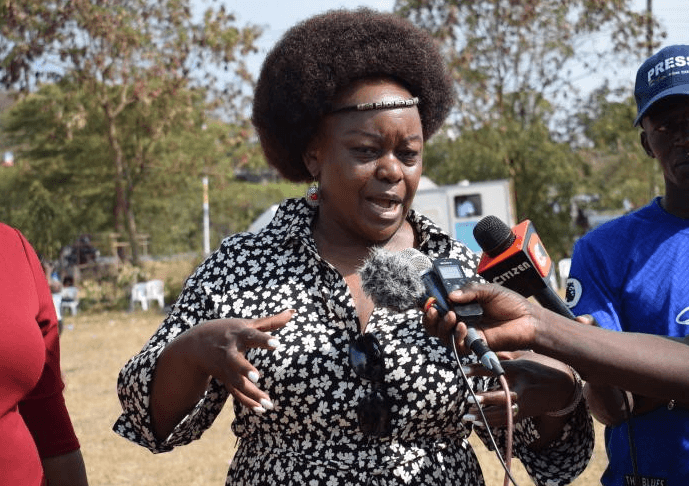
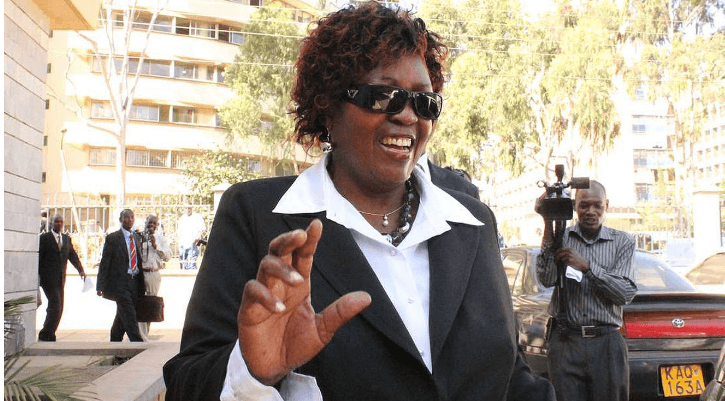
Suba North MP Millie Odhiambo has spoken out strongly in support of the burial arrangements for Beryl Odinga, pushing back against critics who claim that the interment should strictly follow traditional Luo customs. Hon Millie Odhiambo argued that while culture carries value, personal wishes and modern realities must also guide decisions about burial.
Anyone insisting that Beryl must be buried strictly according to Luo traditions should first confirm whether their own six lower teeth were removed in accordance with cultural requirements, If not, then you are boiling
Hon Millie Odhiambo Debate Over Burial Traditions
The controversy stems from concerns raised by some Luo cultural custodians, who argue that the Odinga family is breaking with tradition. According to long-standing Luo customs, married women are typically buried in their husband’s homestead, accompanied by specific rites meant to honor ancestry and marital lineage.
Critics accuse the Odinga family of disregarding long-held communal norms. However, Odhiambo dismissed these claims, saying many traditional practices are no longer consistently observed. She emphasized that culture evolves and should not be used as a rigid tool to police grieving families.
Beryl Odinga’s Legacy and Burial Plans
Beryl Odinga, who died on November 25, 2025, while receiving treatment at a Nairobi hospital, was the younger sister of former Prime Minister Raila Odinga. She was known for her professional achievements in Kenya and Zimbabwe and is remembered as a trailblazer with a global footprint.
The Odinga family’s decision to bury her at Kang’o ka Jaramogi in Bondo — at her father’s homestead has stirred widespread discussion. The site is also where her mother, Mama Mary Juma Odinga, will eventually rest. The burial, scheduled for Saturday, December 6, 2025, marks a departure from traditional expectations for married Luo women.
Why the Odinga Family Broke With Tradition
Family members have explained that the decision reflects both circumstances and respect for Beryl’s journey through life. Beryl married Otieno Ambala in 1974, but the relationship ended due to abuse, a painful chapter documented in Raila Odinga’s memoir, The Flame of Freedom. She later remarried and lived in Zimbabwe with her second husband, John Tamisayi Mungwari.
Her marital history has led some to argue that she should be buried either in Gem, Siaya County, where her first husband hailed from, or in Zimbabwe, where she lived for many years. However, after consultations involving family elders, including Dr. Oburu Oginga, Raila Odinga Junior confirmed that Beryl would be laid to rest at the Odinga family home. Two of Jaramogi Oginga Odinga’s widows, Betty and Susan Oginga, along with Beryl’s stepbrother, Omondi Odinga, were part of the final decision-making process.
Balancing Tradition and Personal Choice
For supporters, the choice honors Beryl’s dignity, life story, and connection to her parents’ home. They see it as a compassionate decision rooted in family unity rather than strict adherence to customs. Those opposed argue that the Odinga family has long championed Luo traditions and should therefore uphold them consistently.
As the conversation unfolds, Millie Odhiambo’s comments have renewed broader national dialogue on how culture should be interpreted in modern times — especially during moments of loss.
