




As heavy clouds hung over Kampala, opposition supporters from across Uganda gathered for prayers at the home of an imprisoned opposition leader, reflecting a mix of resolve and deep uncertainty ahead of the country’s general election. The prayer meeting, held on Sunday, brought together activists, politicians, and ordinary citizens worried about their safety as Uganda heads into a highly contested vote later this week.
“Political Prisoners and the Waiting Ones”
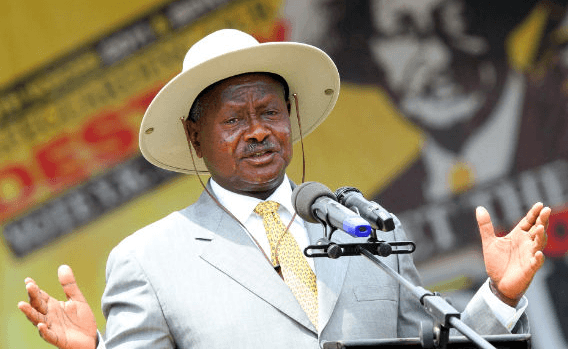
Addressing the gathering, Kampala Lord Mayor Erias Lukwago described the election as a direct confrontation between ordinary Ugandans and President Yoweri Museveni, who is widely expected to extend his decades-long grip on power. Museveni, now 81, has ruled Uganda for nearly four decades since taking power in the 1980s. Critics say his administration has steadily entrenched military influence in civilian governance, using security forces to suppress dissent and weaken opposition movements.
Opposition Under Pressure
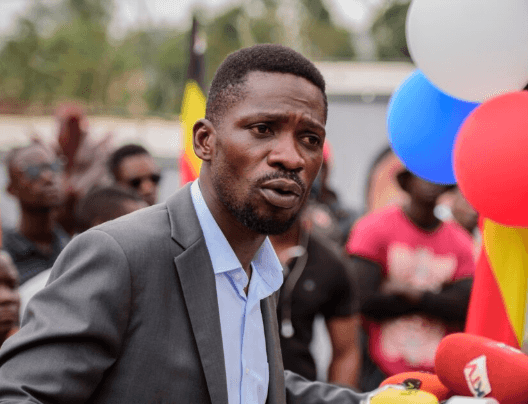
The current campaign period has been marked by widespread arrests of opposition supporters and reports of deadly force. Police maintain that they are dealing with disorderly groups, but rights organisations accuse the state of using excessive violence. Main opposition candidate Bobi Wine (Robert Kyagulanyi) has described the campaign as a battlefield rather than a democratic contest. He now appears in public wearing protective gear and has previously spoken openly about arrests and abuse while in military custody.
Meanwhile, veteran opposition figure Dr. Kizza Besigye remains detained on treason charges after being abducted in Kenya in 2024 and secretly transferred to a military facility in Uganda. His case has dragged on for months, drawing international concern.
Sunday’s prayer event was hosted by Besigye’s wife, Winnie Byanyima, the Executive Director of UNAIDS, who said Uganda’s democracy exists largely in name.
Police and Politics Intertwined
Analysts say the security forces no longer see themselves as neutral actors during elections. According to political researcher Jude Kagoro, police officers often view protecting the ruling establishment as part of their duty, even without explicit orders. He noted that the state has also relied on informal networks to weaken opposition strongholds, including recruiting young people in urban areas to disrupt rallies and monitor opposition activity, a system locally referred to as “ghetto structures.”
The government was caught off guard by Bobi Wine’s rapid rise ahead of the 2021 election, which drew strong support from urban youth. That surprise, analysts say, was met with force. This time, the state appears far more prepared.
Climate of Fear Ahead of Voting Day
Authorities have advised citizens to vote and leave polling stations immediately, a directive opposition leaders interpret as an attempt to discourage turnout. Human rights groups report a growing pattern of arrests and enforced disappearances targeting opposition figures, a trend increasingly observed across East Africa, including Kenya and Tanzania. Some groups allege regional coordination in suppressing dissent.
Shrinking Space for Opposition
Political experts warn that sustained repression has severely weakened grassroots mobilisation. As Uganda approaches election day, the atmosphere remains tense, with opposition supporters fearful yet determined, and the country’s democratic future hanging in the balance.
