






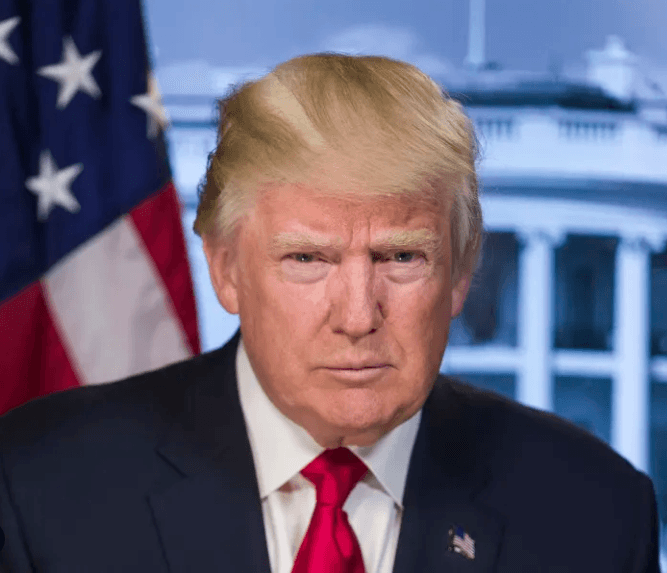
The United States has formally exited the World Health Organization (WHO), finalizing a controversial decision that has drawn sharp criticism from global health experts and international partners. The withdrawal took effect on Thursday, following a year-long notice period that began when President Donald Trump signed an executive order on the first day of his 2025 presidency. The administration says the move reflects long-standing concerns over the WHO’s handling of the COVID-19 pandemic and what it describes as persistent management failures within the UN health agency.
Limited Engagement Going Forward
According to a joint statement from the U.S. Departments of Health and State, Washington will now engage with the WHO only in a minimal capacity to complete the withdrawal process. A senior health official confirmed that the U.S. does not intend to remain involved even as an observer, nor does it plan to rejoin in the future. Instead, the administration says it will pursue bilateral partnerships with individual countries on disease surveillance, outbreak response, and other public health priorities—bypassing international organizations altogether.
Dispute Over Outstanding Membership Fees
The decision has also reignited debate over unpaid U.S. dues to the WHO. Under U.S. law, the country is expected to provide one year’s notice and settle all outstanding financial obligations—estimated at about $260 million—before exiting. However, the State Department disputes that payment is a legal condition for withdrawal. “The American people have paid more than enough,” a spokesperson said, adding that the Department of Health and Human Services has already halted all future funding to the agency. U.S. officials further argued that the WHO’s actions during the pandemic cost the country trillions of dollars, justifying the funding freeze.
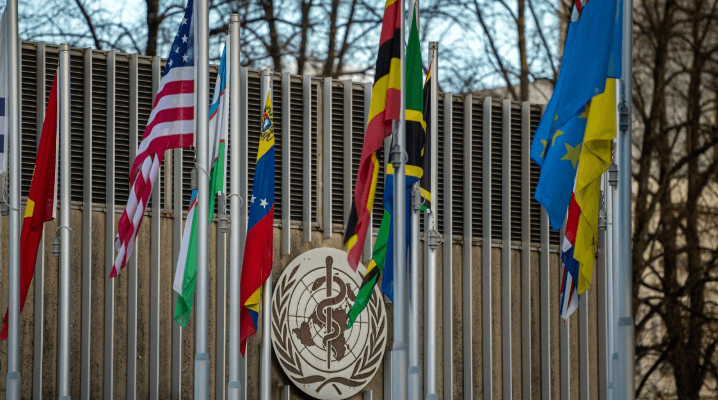
Visible Break in Geneva
Over the past year, numerous public health experts have urged the U.S. to reconsider, including WHO Director-General Tedros Adhanom Ghebreyesus. The WHO has also stated that the U.S. has yet to pay its assessed contributions for 2024 and 2025. The organization’s executive board is expected to formally discuss the U.S. departure in February and determine how it will be handled.
Legal scholars have questioned the legality of the move. Lawrence Gostin, director of the O’Neill Institute for Global Health Law at Georgetown University, called the withdrawal “a clear violation of U.S. law,” though he added that enforcement is unlikely. Meanwhile, Bill Gates, whose foundation is a major supporter of global health programs, said he does not expect the U.S. to reverse course anytime soon. Still, he emphasized the importance of the organization, saying, “The world needs the World Health Organization.”
Impact on WHO and Global Health
The U.S. exit has triggered a major financial strain on the WHO. Historically, Washington contributed about 18% of the agency’s total funding. As a result of the funding gap, the WHO has cut its senior management team by half, reduced operational budgets, and plans to lay off roughly 25% of its workforce by mid-year. While the WHO says it has continued sharing information with U.S. authorities during the transition period, the nature of future cooperation remains unclear. Public health experts warn that the fallout could be significant not just for the WHO, but for global disease preparedness as a whole.
The U.S. withdrawal risks weakening the systems the world depends on to detect and respond to health threats. That has implications for everyone, including Americans
Kelly Henning