




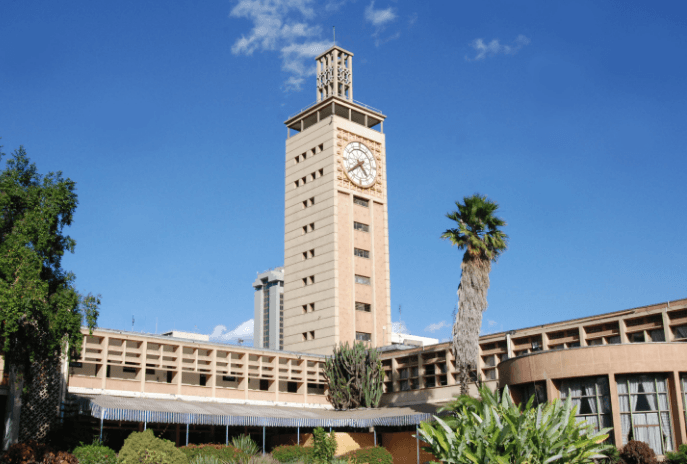
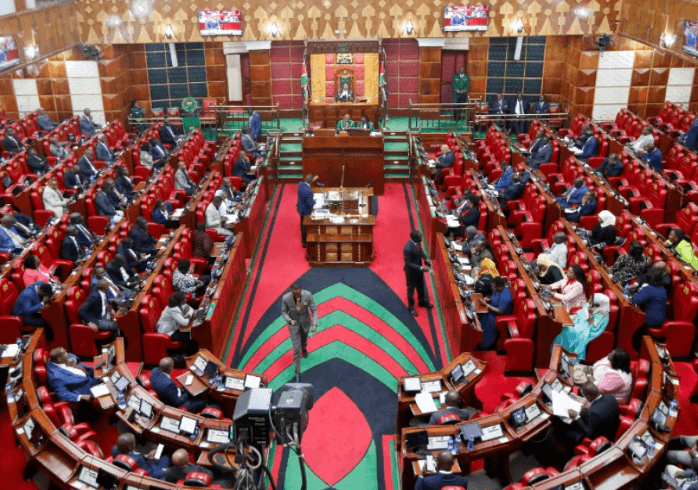
Kenyan taxpayers could soon be forced to dig deeper into their pockets following a renewed push by Members of Parliament (MPs) to expand their pension benefits. The proposal has sparked widespread public debate, with critics questioning the timing, fairness, and long-term cost of enhancing lawmakers’ retirement perks at a time when many citizens are struggling with a high cost of living. As the country grapples with rising taxes, shrinking disposable incomes, and mounting public debt, the move has reignited concerns about the priorities of elected leaders and the burden placed on ordinary Kenyans.
Lawmakers are seeking changes to existing pension arrangements that would allow them to either access improved retirement benefits or qualify for pensions under more favourable terms. While details vary depending on the proposal under discussion, the common thread is an expansion of benefits that would ultimately be funded by public resources. Supporters of the move argue that MPs deserve secure retirement plans similar to other public servants, citing the demanding nature of political office and the uncertainty that comes with electoral politics.
Why Taxpayers Are Concerned
For many Kenyans, the proposal has landed poorly. The country has witnessed a steady rise in taxes and statutory deductions in recent years, affecting fuel prices, food costs, housing, and basic services. Against this backdrop, any move that increases public spending, especially on political leaders, is bound to draw scrutiny. Critics argue that enhanced pension benefits for MPs would place an additional strain on the public purse, diverting funds that could otherwise be used for healthcare, education, infrastructure, or social protection programmes.
Economic Pressure on Ordinary Kenyans
The debate comes at a time when households are under immense financial pressure. Inflation, job losses, and higher taxes have reduced purchasing power for millions of Kenyans. Many workers in the private sector do not enjoy guaranteed pensions, while others rely on modest contributions to retirement schemes that barely cover basic needs after retirement. This contrast has fueled public anger, with some questioning why lawmakers should enjoy expanded benefits when a large portion of the population struggles to secure a dignified retirement.
Transparency and Accountability Questions
Beyond the cost implications, the push for expanded pension benefits has raised questions about transparency and accountability. Civil society groups and economic analysts have called for full disclosure of the financial impact of the proposals, including long-term liabilities for taxpayers. There are also concerns about whether the public has been adequately consulted on changes that could affect national expenditure for decades to come.
Political Reactions and Public Debate
The issue has quickly become a hot topic in political circles and on social media, with mixed reactions from leaders across the political divide. Some MPs have defended the proposal, arguing that pensions are a right earned through service. Others, however, have distanced themselves from the push, warning that it could erode public trust in Parliament at a time when confidence in political institutions is already fragile.
What Happens Next
The fate of the proposed pension changes will depend on parliamentary debate, committee reviews, and possible public input. If approved, the changes could set a precedent for future benefit expansions, raising long-term questions about sustainability and fiscal discipline. Observers say the decision will test Parliament’s sensitivity to public sentiment and its willingness to balance lawmakers’ interests with the economic realities facing citizens.
Conclusion
As MPs push for expanded pension benefits, the likelihood that taxpayers will bear the cost has become a central concern. The debate highlights broader issues around governance, equity, and the responsible use of public funds. For many Kenyans, the outcome will signal whether leaders are prepared to share in the economic sacrifices they often ask citizens to make or whether the gap between the political class and the public will continue to widen.
