








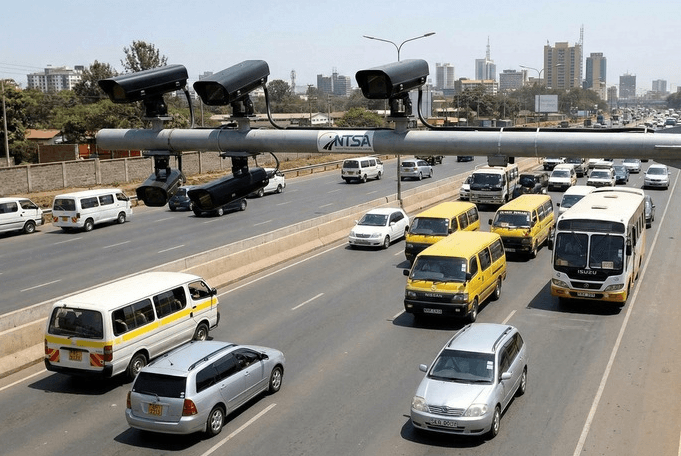
Motorists across Kenya have received temporary relief after the High Court issued orders suspending the enforcement of the newly introduced instant automated traffic fines system. In conservatory orders issued on Thursday morning, Justice Bahati Mwamuye barred the National Transport and Safety Authority (NTSA) and the Office of the Attorney General from issuing, generating, demanding or enforcing traffic penalties produced through automated or algorithm-based systems.
The orders followed a constitutional petition filed by lobby group Sheria Mtaani through lawyers Danstan Omari and Shadrack Wambui. The petition questions the legality and constitutionality of the instant traffic fines management system recently rolled out by NTSA. In his directions, Justice Mwamuye also ordered that KCB Bank Kenya be included in the case as an interested party. The court further barred all respondents and the interested party from implementing or continuing to enforce the automated traffic penalties system until the matter is heard and determined.
Concerns Over Fair Trial and Due Process
According to the petitioners, the automated system issues penalties immediately after detecting a suspected traffic offence without providing motorists with prior notice, warning, or an opportunity for human review. Sheria Mtaani argues that this process violates constitutional protections under Articles 47 and 50, which guarantee fair administrative action and the right to a fair hearing, including the presumption of innocence. The lobby group told the court that motorists are required to settle fines within seven days or risk administrative sanctions such as denial of access to key NTSA services.
Claims of Bypassing Legal Prosecution
The petition also claims that the system sidesteps the constitutional role of the Office of the Director of Public Prosecutions (ODPP) by determining offences and imposing penalties without taking cases through the courts. Sheria Mtaani further argues that the system ignores safeguards outlined in the Traffic Act, including the requirement to serve notices and give alleged offenders an opportunity to respond.
Additionally, the group says the system unfairly treats registered vehicle owners as automatic offenders even when they may not have been driving the vehicle at the time of the alleged violation.
Justice Mwamuye directed the petitioner to immediately serve the respondents and the interested party with the petition and court orders, and to file an affidavit of service by the close of business on March 13, 2026. The respondents and the interested party have until March 20, 2026 to enter appearance and file their responses. Sheria Mtaani will then be allowed to file a rejoinder by March 27, 2026, if necessary.
The matter is scheduled for mention on April 9, 2026, when the court will confirm compliance and issue further directions on the hearing and determination of both the application and the main petition.
