







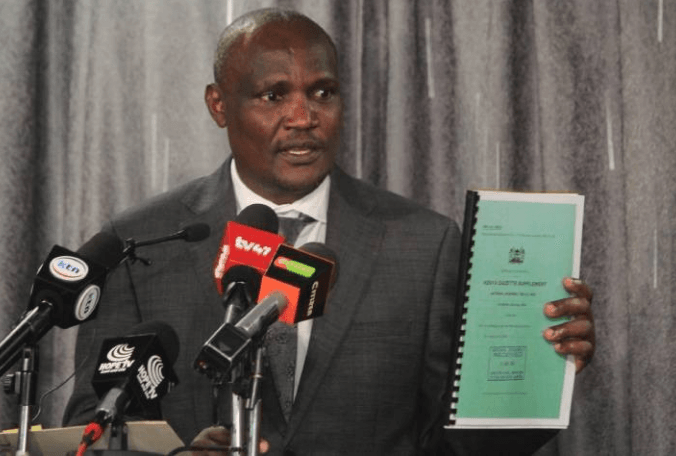
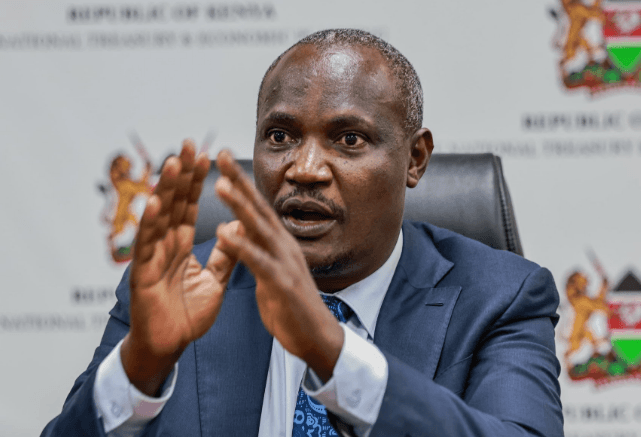
National Treasury Cabinet Secretary John Mbadi has accused the United Opposition of spreading misinformation about the Finance Bill 2026, alleging that critics are citing clauses that do not exist in the proposed law
Mbadi defended the bill, maintaining that its primary goal is to ease the burden on taxpayers while ensuring the government raises necessary revenue. He dismissed calls by the opposition to reject the bill in its entirety, describing the move as politically driven and misleading. The CS urged Kenyans to critically and objectively analyse the bill instead of relying on what he termed as inaccurate claims.
In a direct challenge, Mbadi singled out Wiper leader Kalonzo Musyoka, accusing him and his allies of introducing “imaginary clauses” into public debate.
Can Kalonzo Musyoka point out the specific clause in the Bill before Parliament that proposes taxation on land, whether freehold or leasehold?
CS MbadiWith limited options for increasing taxes and Kenya’s borrowing nearing its legal ceiling, the Treasury is relying heavily on the Finance Bill 2026 as a critical revenue-generating measure. The government is targeting to raise approximately Ksh.3.63 trillion through the proposed tax changes.
Among the most controversial proposals is a 25% excise duty on mobile phones and wireless devices, reflecting the rapid growth of Kenya’s digital economy. The proposal has triggered public concern, given the widespread reliance on mobile technology for banking, communication, and business. Mbadi, however, defended the plan, explaining that the tax would be simplified:
We are removing multiple charges and introducing a single tax point. No taxes will be charged at importation, only upon activation of the device will the 25% excise duty apply
CS MbadiDespite earlier promises to reduce Pay As You Earn (PAYE) tax by 5%, Mbadi acknowledged that the proposal did not make it into the current Finance Bill. He noted that the matter is still under review by technical teams, reaffirming the Treasury’s commitment to maintaining a balanced and sustainable fiscal framework.

It’s interesting to hear this perspective. The way misinformation spreads around these sorts of bills can be really confusing for people.