





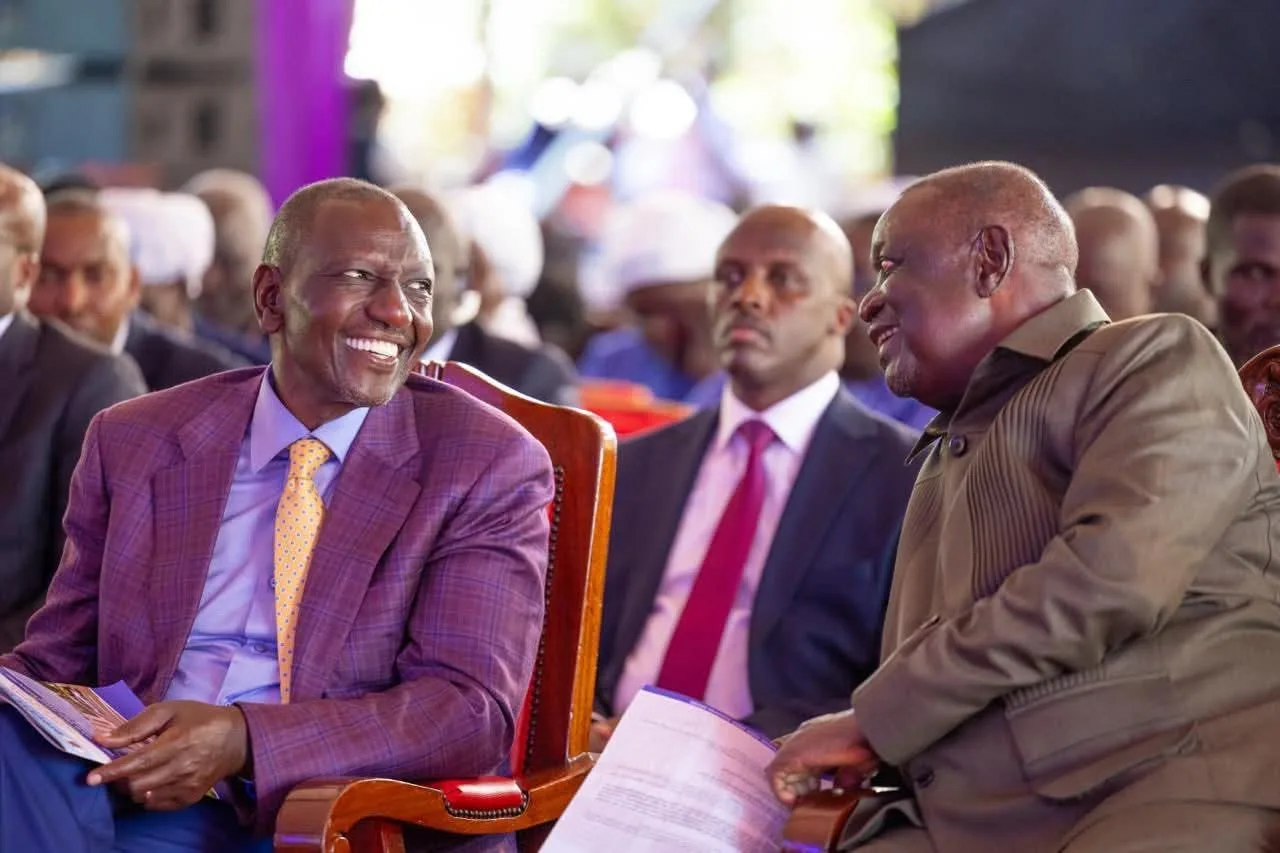
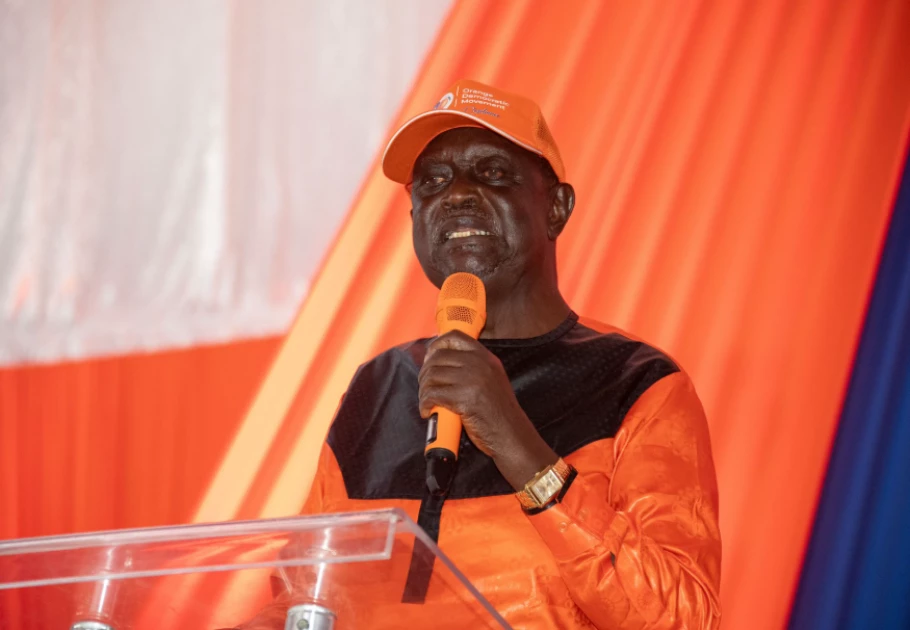
ODM Party Leader Oburu Oginga has dismissed demands for a formal written agreement to guide the party’s ongoing negotiations with the ruling United Democratic Alliance (UDA), saying ODM has established leadership structures capable of deciding its political future. In a statement issued on October 29, 2026, Oburu criticised individuals, including people who are not members of ODM, for attempting to influence how the party conducts its negotiations with UDA. He maintained that the party would make decisions based on its own interests and those of Kenyans, without outside interference.
The ODM leader also cautioned against taking advantage of his temporary absence from active political engagement to influence the party’s internal decisions. He said ODM was an established political institution with clear objectives, legitimate structures and experienced leaders who could independently steer its political engagements. Oburu further argued that negotiations with UDA should be handled privately, rather than turned into public discussions conducted before television cameras. He described the talks as serious political engagements that require discretion.
ODM Maintains 10-Point Agenda Must Be Implemented
Despite rejecting calls for a written agreement, Oburu reaffirmed that the full implementation of the 10-point agenda agreed upon by former Prime Minister Raila Odinga and President William Ruto remains a key condition for ODM’s cooperation with UDA. He described the party’s commitment to the agenda as absolute, adding that ODM would continue supporting efforts aimed at promoting national progress and stability. The 10-point agenda remains central to the political understanding between the two parties, with ODM maintaining that its implementation should guide their cooperation.
Disagreements Emerge Within ODM Over UDA Partnership
Oburu’s remarks come at a time when ODM continues to experience internal differences over its political relationship with President Ruto’s party and the direction of negotiations ahead of the 2027 General Election. The disagreements have largely involved leaders who support the broad-based government arrangement and those who oppose closer cooperation with UDA. A major point of contention has been whether the current political understanding between the two parties is sufficient or whether they should negotiate a new, clearly defined coalition agreement.
In January 2026, ODM’s Central Management Committee, chaired by Oburu, resolved to begin structured pre-election coalition negotiations with UDA ahead of the 2027 polls. Oburu was assigned the responsibility of leading the talks, with any proposed agreement expected to be presented to the party’s National Delegates Convention for ratification.
Oburu Seeks Equal Partnership With UDA
The ODM leader has previously maintained that the party would approach the negotiations as an equal partner, seeking to safeguard its political interests and bargaining position. In June 2026, he indicated that a possible coalition agreement with UDA would be based on a 50-50 power-sharing arrangement.
He also stated that the negotiations would not exclude any elective position, including the presidency, from consideration. Oburu has now urged individuals and political parties interested in forming alliances, mergers or coalitions to focus on their own political arrangements instead of attempting to determine ODM’s political direction. He insisted that the party understood its objectives and had the leadership structures needed to decide how to achieve them.
Oburu Gives Update on His Recovery
In the same statement, Oburu thanked Kenyans, ODM members, friends and other well-wishers for their prayers and support during his recovery. He assured them that he was making steady progress towards full recovery and expressed appreciation for the continued encouragement he had received. His statement comes as ODM continues to navigate internal discussions over its relationship with UDA and the political strategy it intends to pursue ahead of the 2027 General Election.
