






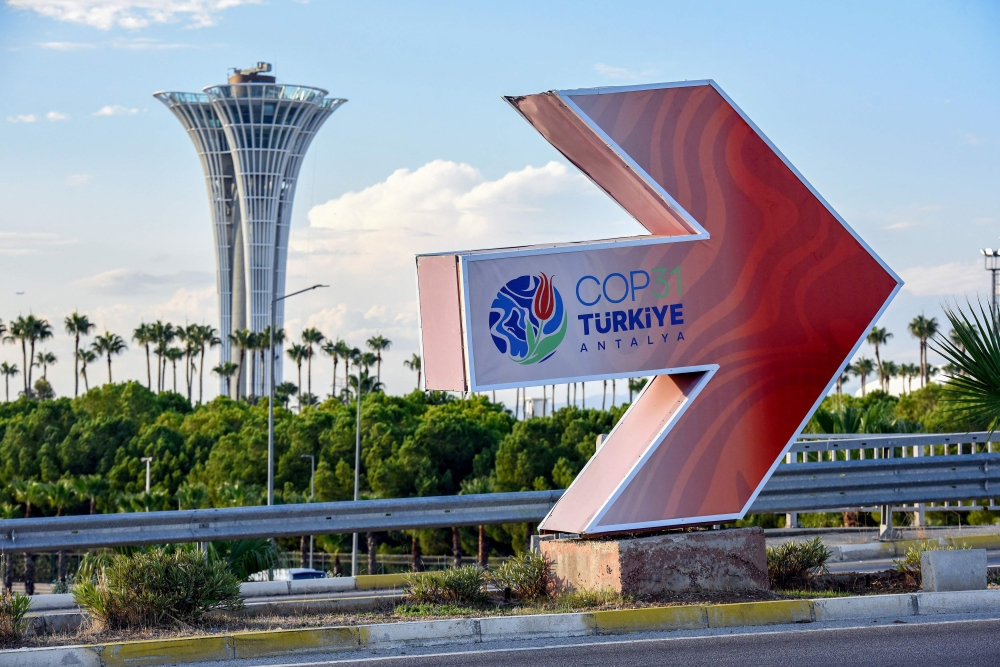
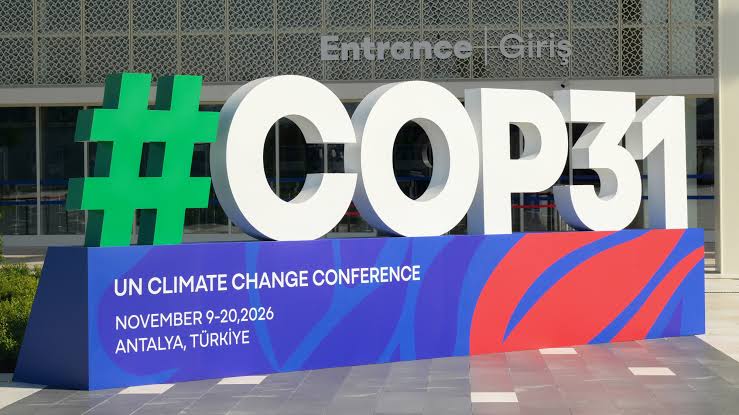
The 31st United Nations Climate Change Conference (COP31) has opened in Turkey, bringing together global leaders, climate experts and negotiators to discuss urgent measures to address climate change amid rising temperatures, financial challenges and growing geopolitical tensions. More than 100,000 participants are expected to attend the two-week conference in Antalya, a Mediterranean coastal city, where representatives from nearly 200 countries will deliberate on strategies to accelerate the transition to cleaner energy and increase financial support for developing nations facing worsening climate impacts.
However, expectations for major breakthroughs remain limited as countries navigate economic pressures, rising oil prices and international conflicts, including the United States’ war with Iran and Russia’s ongoing conflict in Ukraine. The discussions come against a backdrop of increasingly severe climate events recorded this year. Europe has experienced intense heatwaves, wildfires have affected parts of Indonesia, while a glacier collapse in Nepal triggered devastating floods.
Scientists are also forecasting an exceptionally strong El Niño climate phenomenon later this year, which could intensify extreme weather conditions and contribute to 2026 or 2027 becoming the hottest year on record. The United Nations warned in September that global temperatures were on course to surpass the 1.5°C threshold above pre-industrial levels, the most ambitious limit established under the Paris Agreement. Rachel Cleetus, climate programme director at the Union of Concerned Scientists, urged world leaders to accelerate the shift away from fossil fuels and expand renewable energy production, particularly as energy affordability becomes an increasing concern.
COP31 Focuses on Turning Climate Pledges Into Action
Turkey is hosting COP31, with Australia taking the lead in negotiations under an arrangement reached to resolve disagreements over hosting the conference. The two countries have positioned the summit as an implementation-focused conference, seeking to move beyond previous climate commitments and translate promises into practical measures. Turkey has also introduced an action agenda encouraging countries to support voluntary initiatives covering areas such as artificial intelligence, waste management and energy development.
One of the major proposals is an electrification initiative aimed at increasing electricity’s share of global energy demand from approximately 20% currently to 35% by 2035. However, the proposal could generate disagreements over how electricity should be produced.
The European Union has advocated for clean electrification, potentially raising questions about the continued use of fossil fuels in Turkey’s proposed approach. At the 2023 COP28 summit in Dubai, countries agreed to pursue a transition away from fossil fuels. However, disagreements have continued over how to implement the commitment.
The following COP30 conference in Brazil ended without an explicit reference to fossil fuels in its final agreement after opposition from oil-producing countries. Brazil subsequently developed a voluntary roadmap outlining possible approaches to phasing out fossil fuels, allowing individual countries to determine how to apply the proposals according to their circumstances.
Developing Countries Push for Increased Climate Financing
Climate financing is expected to be another major point of discussion at COP31, particularly as developing countries demand that wealthier nations honour their financial commitments. Developing nations require additional resources to strengthen their resilience against climate change, recover from extreme weather disasters and implement adaptation measures. African countries are pushing for discussions on tripling adaptation financing to help vulnerable communities fund projects such as coastal protection infrastructure, including sea walls, and the cultivation of drought-resistant crops.
However, expectations for additional financial commitments remain uncertain, with a senior European Union official warning that there may be little political willingness among developed countries to announce new funding pledges.
US Absence Raises Questions Over Global Climate Cooperation
The conference is also taking place amid uncertainty over the United States’ participation in international climate negotiations. President Donald Trump withdrew the United States from the Paris Agreement and has not sent government officials to COP31. However, a delegation from the US Congress is expected to attend the Antalya conference, with Democrats encouraged by their recent historic victory in the US midterm elections.
Despite the difficult negotiations expected over the next two weeks, Azerbaijan’s chief negotiator, Yalchin Rafiyev, expressed optimism about the atmosphere surrounding the discussions. Rafiyev said the positive environment should be translated into meaningful agreements and successful outcomes as countries work towards addressing the global climate crisis.
