





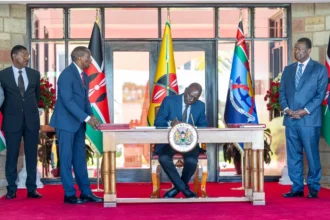

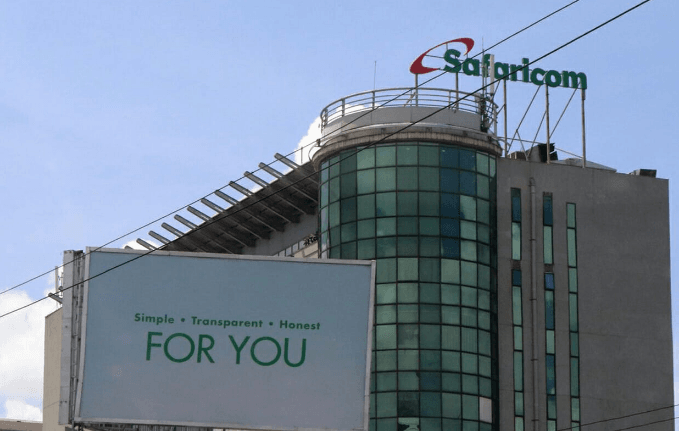
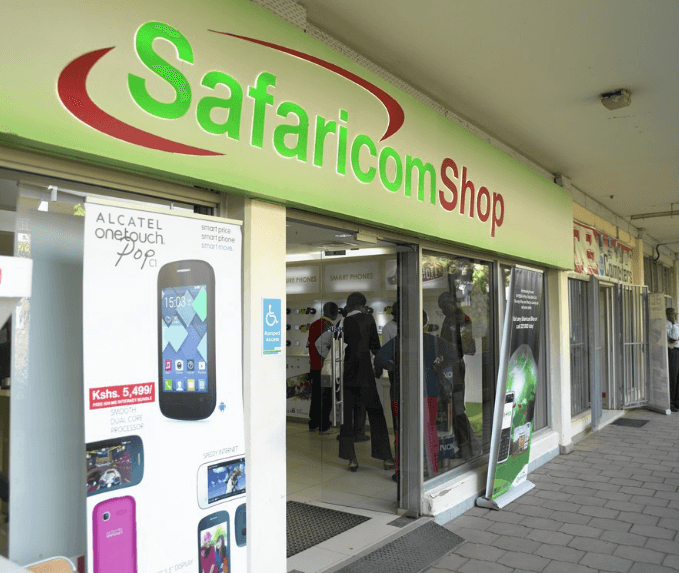
Safaricom, East Africa’s most valuable company, is set for a major ownership shift after the Kenyan government offloaded 15 percent of its stake to South Africa’s Vodacom Group in a landmark transaction valued at KSh 245 billion. The move gives Vodacom a controlling majority in Safaricom, marking one of the most significant corporate realignments in Kenya’s telecommunications sector in recent years.
The deal, announced jointly by government officials and the telco’s leadership, is seen as a strategic restructuring aimed at strengthening Safaricom’s regional competitiveness while unlocking capital for government operations. With this acquisition, Vodacom’s total shareholding rises above the 50 percent threshold, formally placing the South African firm in the driver’s seat of the continent’s most profitable mobile operator.
Government Says Move is Strategic
According to Treasury officials, the decision to sell part of the government’s stake was informed by a long-term investment strategy rather than short-term financial pressure. They stressed that Safaricom remains a critical national asset but noted that “the state does not need to maintain a dominant share to benefit from its continued success.”
The government retains a smaller shareholding, which it says will still allow it to participate in the company’s growth, dividend earnings, and strategic direction through regulatory channels and board representation.
Vodacom Deepens its Footprint in Africa
Vodacom described the acquisition as a major milestone in its African investment strategy. With Safaricom’s footprint extending into Ethiopia and its continued dominance in Kenya, Vodacom now leads a telecommunications powerhouse serving over 50 million customers across the region.
The company said the increased ownership stake will help accelerate innovation across mobile money, digital services, and enterprise solutions areas where Safaricom already commands regional influence through its globally recognized M-Pesa platform.
Impact on Safaricom’s Future
Analysts say that Vodacom’s controlling stake could bring:
- Increased capital infusion for regional expansion
- Enhanced technological collaboration across the Vodacom-Vodafone global network
- Faster rollout of 5G and emerging digital services
- Improved efficiencies in cross-market operations
However, they also note potential concerns over the concentration of control in a foreign entity, especially given Safaricom’s strategic role in national infrastructure, mobile money, and digital identity initiatives.
Market and Public Reactions
At the Nairobi Securities Exchange (NSE), investor sentiment remained cautiously optimistic, with Safaricom shares showing modest upward movement as markets digested the implications of the deal. Some stakeholders welcomed the transaction as a step toward aligning Safaricom with global telecommunications standards and unlocking future growth.
On the other hand, public debate has surfaced around issues of national interest, data sovereignty, and long-term economic implications. Critics argue that the government should have preserved a larger stake, citing Safaricom’s substantial contribution to state revenues and economic development.
Safaricom’s Leadership Welcomes the Move
Safaricom executives expressed confidence that the transition would not disrupt operations or the company’s strategic focus. Instead, they framed the acquisition as part of a broader effort to position Safaricom for the next wave of digital transformation across East Africa.
The board emphasized that the company will continue to operate under Kenya’s regulatory framework and maintain its commitments to local communities, innovation, and national development.
What the Deal Means for Kenya
The sale injects substantial capital into government coffers at a time when Kenya is pushing for fiscal consolidation, improved debt management, and long-term economic stability. It also strengthens Kenya’s position as a regional technology and investment hub.
As Vodacom assumes its new majority role, all eyes will be on Safaricom’s performance in the coming months—particularly in Ethiopia, where the telco is still navigating early-stage market penetration and regulatory challenges.
Conclusion
The transfer of a 15 percent stake marks a transformative moment in Kenya’s corporate landscape. With Vodacom now firmly at the helm, Safaricom is poised for a new chapter of regional expansion, strategic realignment, and technological evolution. Whether this shift ultimately benefits Kenyan consumers and the national economy will become clearer as the impact of the deal unfolds in the months and years ahead.
