






The High Court has delivered a significant ruling that reshapes access to reproductive health services in Kenya, overturning directives that had barred Marie Stopes Kenya from offering abortion-related care, post-abortion services, and public information. The court found that the actions taken by multiple regulatory bodies were unconstitutional, unlawful, and in violation of fundamental rights guaranteed under the Constitution. The decision marks a major legal and public health milestone, reaffirming constitutional protections around healthcare, information access, and the rule of law.
Background of the Case
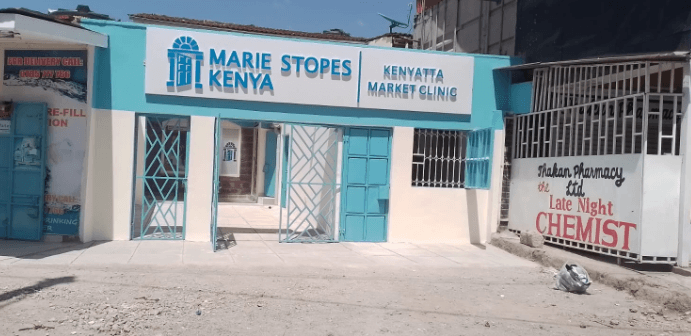
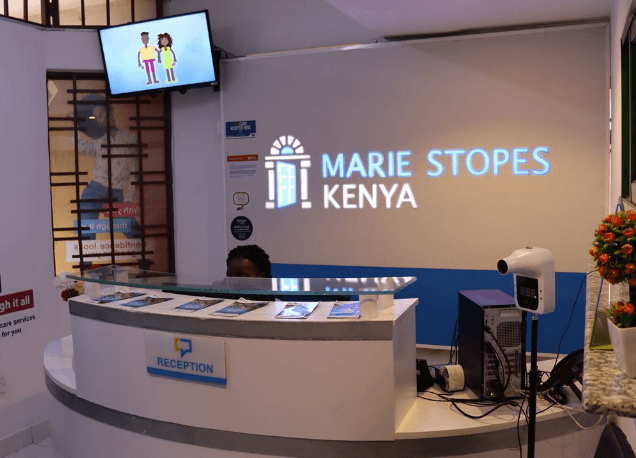
Marie Stopes Kenya, one of the country’s leading reproductive health service providers, had been restricted from offering abortion and post-abortion care following directives issued by the Kenya Film Classification Board (KFCB), the Kenya Medical Practitioners and Dentists Council (KMPDC), and the Directorate of Medical Services (DMS).
The directives went beyond clinical practice to include bans on public information, awareness campaigns, and educational materials related to abortion and post-abortion care. As a result, the organization argued that its ability to provide lawful medical services and accurate health information had been severely compromised. Marie Stopes Kenya moved to court, challenging the legality and constitutionality of the restrictions.
High Court’s Determination
In its ruling, the High Court lifted all restrictions imposed on Marie Stopes Kenya, allowing the organization to resume the provision of abortion services, post-abortion care, and related public information in line with the law. The court held that the directives issued by KFCB, KMPDC, and DMS were unconstitutional, stating that the regulators acted outside their legal mandate and failed to follow due process. The judge emphasized that administrative bodies must operate within the boundaries of the Constitution and cannot issue blanket bans that interfere with fundamental rights without a clear legal basis.
Constitutional Issues Raised
The ruling highlighted several constitutional violations, including:
- Right to the highest attainable standard of health, as guaranteed under Article 43 of the Constitution
- Freedom of expression and access to information, particularly in relation to public health education
- Fair administrative action, noting that the directives were issued without adequate justification or stakeholder engagement
The court noted that restricting access to post-abortion care and information posed serious public health risks, especially for vulnerable populations.
Implications for Reproductive Health Services
The judgment has far-reaching implications for reproductive healthcare in Kenya. By lifting the restrictions, the court has effectively reaffirmed that abortion-related services, where permitted by law, fall within the broader right to healthcare.
Healthcare providers and civil society organizations have welcomed the ruling, describing it as a victory for constitutionalism and evidence-based public health policy. They argue that access to post-abortion care is critical in reducing preventable complications and safeguarding maternal health.
Regulatory Oversight Under Scrutiny
The court’s decision also places regulatory bodies under renewed scrutiny, particularly regarding how they exercise their powers. The ruling sends a strong message that regulators must respect constitutional safeguards and cannot impose sweeping limitations without legal justification. Legal analysts say the judgment could influence how future health-related directives are issued, encouraging greater accountability, transparency, and adherence to the law.
Public Reaction and Ongoing Debate
The ruling has reignited national debate around abortion, reproductive rights, and the role of the state in healthcare regulation. While rights groups have praised the decision, opponents argue that abortion remains a sensitive moral and cultural issue. Despite differing views, the court stressed that its role was not to engage in moral debate but to interpret and uphold the Constitution.
What Happens Next
With the restrictions lifted, Marie Stopes Kenya is now legally cleared to continue offering services and disseminating information within the existing legal framework. However, the broader policy debate is expected to continue, with calls for clearer guidelines and legislation to avoid future legal conflicts. For now, the ruling stands as a landmark affirmation of constitutional rights and judicial independence in matters of public health.
