




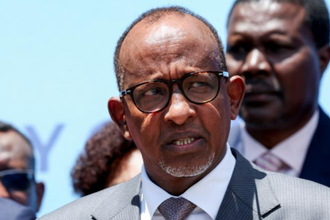


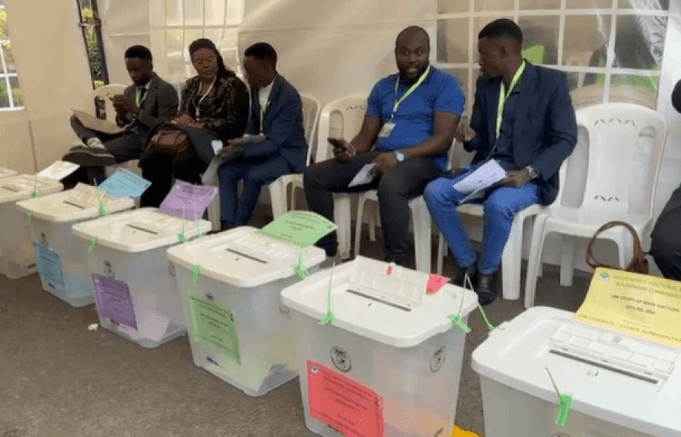
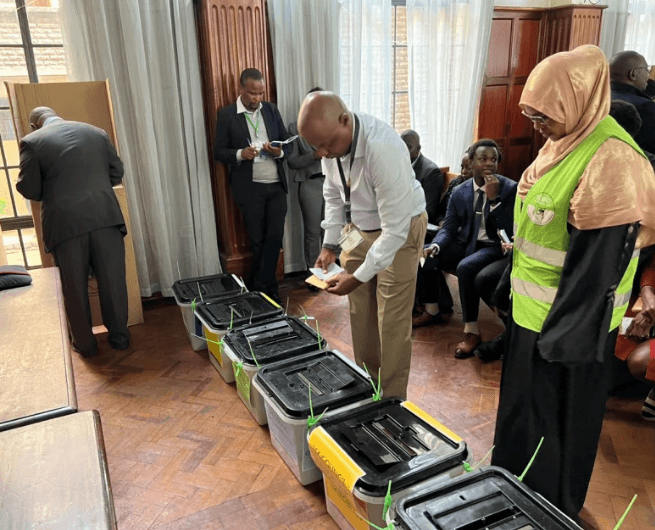
The legal fraternity has today turned its focus to the ballot as lawyers across the country head to the polls to elect new leadership for their professional society. The highly anticipated exercise marks a significant moment for advocates, coming at a time when the legal sector continues to play a central role in governance, constitutionalism, and the protection of civil liberties. The elections, conducted in accordance with the society’s constitution and electoral guidelines, allow members to choose officials who will steer the organization for the next term. Positions being contested include the President, Vice President, Council Members, and representatives to various committees. Voting centres were set up in major towns and cities to ensure advocates from different regions can participate seamlessly. In addition, digital voting options were made available in select areas to enhance accessibility and boost turnout.
High Stakes for the Legal Profession
This year’s elections have attracted heightened interest due to the weighty issues facing the legal profession. Among the key agenda items expected to shape campaigns and voting decisions are:
- Judicial independence and rule of law
- Welfare of advocates and legal practitioners
- Legal education reforms
- Protection of human rights
- Engagement with government on legislative matters
Candidates have spent weeks campaigning, outlining their manifestos and visions for the society. Many have promised to strengthen the voice of the bar, enhance professional standards, and expand support systems for young lawyers.
Campaigns Marked by Policy and Personality
The leadership race has featured a mix of seasoned practitioners and younger reform-minded candidates. While some aspirants are running on their track record and institutional experience, others are positioning themselves as fresh voices pushing for transparency, digitization, and inclusivity within the society. Debates, town halls, and media engagements formed a key part of the campaign period, giving members an opportunity to scrutinize policy proposals and leadership styles before casting their votes.
Smooth Voting Process Reported
Early reports from polling stations indicate an orderly and peaceful voting process. Electoral officials have expressed confidence in the systems put in place to guarantee credibility, transparency, and accountability. Observers drawn from the legal fraternity and partner institutions are monitoring the exercise to ensure compliance with electoral rules. Results are expected to be announced after vote tallying and verification are completed.
Expectations for Incoming Leadership
Whoever emerges victorious will shoulder the responsibility of guiding the society through an evolving legal and political landscape. Stakeholders expect the new leadership to:
- Defend constitutionalism and democratic principles
- Champion the welfare of members
- Strengthen institutional independence
- Promote ethics and professionalism
- Enhance public confidence in the legal system
The incoming team will also be tasked with navigating emerging challenges such as digital justice, access to legal services, and regional legal integration.
Conclusion
As lawyers cast their ballots, the elections represent more than just a leadership transition — they symbolize the profession’s commitment to self-governance, accountability, and the rule of law. The outcome will shape the direction of the society and, by extension, influence the broader justice sector in the coming years.
