






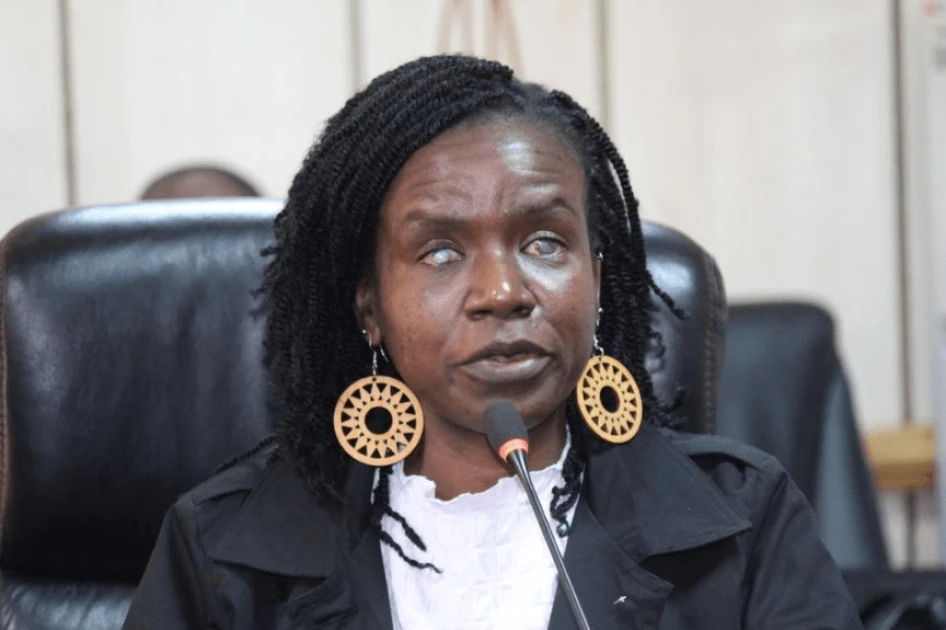

Nominated Senator Crystal Asige has criticised the Kenya Revenue Authority (KRA) over proposed changes to tax exemption regulations for persons with disabilities, warning that some of the provisions could undermine existing rights and place additional financial pressure on affected families. In a statement shared on her X account on Thursday, November 12, 2026, Asige raised concerns about the Draft Income Tax (Persons with Disabilities, Parents or Guardians Tax Exemptions) Regulations, 2026.
The senator particularly questioned provisions concerning disability classifications, assessment requirements, processing charges and tax relief for parents and guardians responsible for caring for persons with disabilities. Asige argued that the proposed framework could reverse important gains made in protecting the rights of persons with disabilities.
Asige Opposes Different Tax Exemption Levels Based on Disability Severity
One of the senator’s major concerns relates to Regulation 10(2), which proposes different levels of tax exemption depending on the classification and severity of a person’s disability. Under the proposed arrangement, individuals would receive varying tax benefits, with some categories qualifying for partial exemptions while others would be eligible for full relief.
However, Asige warned that the classification system could disadvantage individuals whose disabilities are considered less severe, despite their financial and personal needs. She maintained that access to tax relief should not be determined by comparing the severity of people’s disabilities.
Senator Questions KSh1,000 Processing Fee
Asige also challenged a proposed KSh1,000 processing fee targeting parents and guardians applying for tax exemptions while caring for persons with severe disabilities. She argued that the proposed charge contradicts provisions of the Persons with Disabilities Act, 2025, which she says removed assessment fees. The draft regulations provide for tax relief to a parent or guardian caring for a person with a certified severe disability who is unable to meet their basic needs.
However, the exemption would be limited to one parent or guardian for each person with a disability. The senator questioned whether this arrangement adequately considers families where both parents share caregiving responsibilities or households raising more than one child with a disability. She argued that the proposed restrictions could leave some families without adequate financial support despite their caregiving responsibilities.
Asige Rejects Five-Year Reassessment Requirement
Another provision attracting criticism from the nominated senator is the proposed requirement for people with permanent disabilities to undergo reassessment after every five years to maintain their tax exemption status. Asige argued that repeatedly requiring individuals with permanent disabilities to prove their condition would create unnecessary financial and administrative burdens.
KRA Opens Public Participation on Draft Regulations
Meanwhile, KRA has invited members of the public, professionals and other stakeholders to submit their views on the proposed regulations before November 24, 2026. The authority says the draft framework seeks to establish procedures for implementing tax exemptions provided for under the Persons with Disabilities Act, 2025. The public participation process is expected to allow stakeholders to raise concerns and recommend changes before the regulations are finalised.
Asige said she would submit formal objections and recommendations challenging provisions she believes conflict with the constitutional rights and protections afforded to persons with disabilities. The proposed regulations have therefore sparked debate over how the government can implement tax relief measures without introducing additional barriers for persons with disabilities and the families supporting them.
