







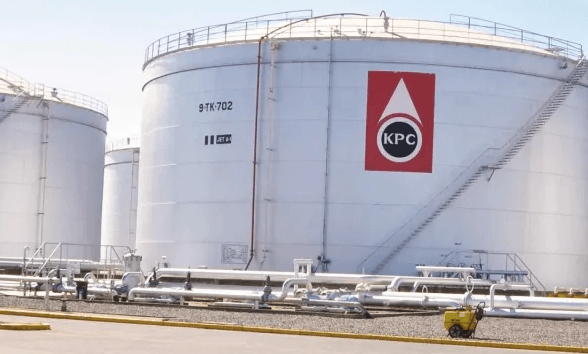

The High Court has dismissed a series of consolidated petitions that sought to halt the proposed privatization of Kenya Pipeline Company Limited (KPC), effectively allowing the government to proceed with its divestiture plan. In a judgment delivered by Bahati Mwamuye, the court ruled that the privatization framework met the constitutional and statutory requirements governing the sale of public assets. The High Court has dismissed a series of consolidated petitions that sought to halt the proposed privatization of Kenya Pipeline Company Limited (KPC), effectively allowing the government to proceed with its divestiture plan. In a judgment delivered by Bahati Mwamuye, the court ruled that the privatization framework met the constitutional and statutory requirements governing the sale of public assets.
The petitions had challenged the legality and transparency of the government’s plan, arguing that the proposed sale risked undermining public interest and national economic security. However, the court found that the process, as outlined in Sessional Paper No. 2 of 2025, had been undertaken in substantial compliance with the Constitution and all relevant laws regulating privatization. Justice Mwamuye noted that the policy and procedural steps guiding the transaction were legally sound and had followed due process.
Transparency and Public Interest Concerns Dismissed
Petitioners had also raised concerns about the level of transparency in the transaction, questioning whether adequate safeguards had been put in place to protect public assets. The court dismissed these claims, stating that there was no sufficient evidence to demonstrate that the privatization plan posed a threat to national interests or that it had been conducted in secrecy. According to the ruling, oversight mechanisms and legal safeguards embedded in the framework were adequate to ensure accountability throughout the process.
Government Free to Proceed
With the dismissal of the petitions, the government now has legal clearance to move forward with the planned privatization in line with the approved policy structure. The ruling is expected to pave the way for the next phases of the transaction, including investor engagement, valuation processes, and eventual transfer of shares.
Broader Economic Implications
The privatization of KPC is part of a wider government strategy aimed at reforming state corporations, improving operational efficiency, and attracting private investment into key infrastructure sectors. Supporters argue that private sector participation could modernize operations and reduce the fiscal burden on taxpayers, while critics remain cautious about the long-term control of strategic national assets.
Conclusion
The High Court’s decision marks a significant legal milestone in the privatization journey of Kenya Pipeline Company. As the government advances its plans, attention will now shift to implementation, stakeholder engagement, and ensuring that the process delivers value to the public.
