




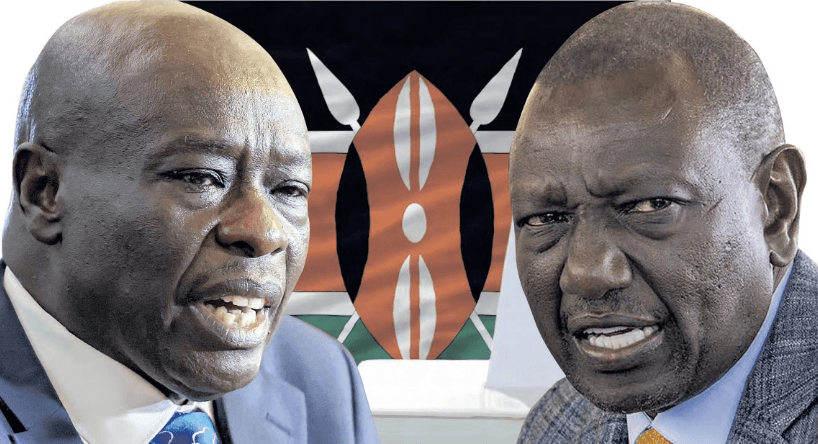
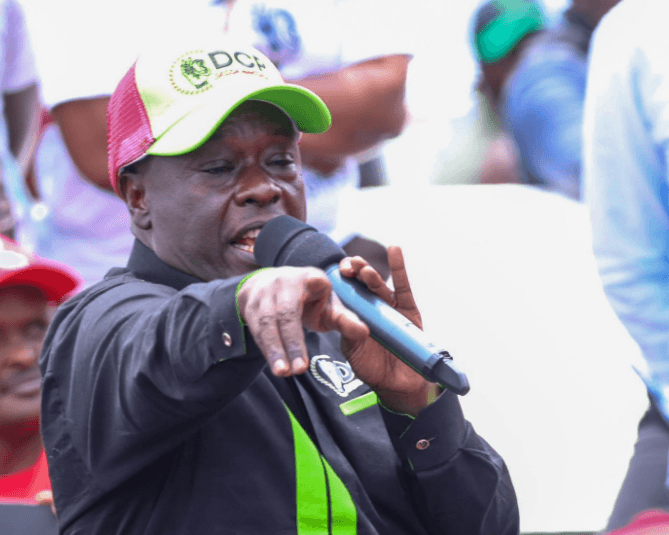
Former Deputy President Rigathi Gachagua has accused the Kenya Kwanza administration of being behind what he described as one of the biggest fuel scandals in the country’s history. Speaking on behalf of the United Alternative Government coalition, Gachagua claimed that the recent surge in fuel prices is tied to alleged irregularities in the petroleum importation system.
In a strongly worded statement, the coalition pointed fingers at top government officials, including President William Ruto, Head of Public Service Felix Koskei, Energy Cabinet Secretary Opiyo Wandayi, and Senate Energy Committee Chairperson Oburu Odinga, accusing them of playing central roles in the alleged scheme.
The coalition also addressed the recent arrests of former Petroleum Principal Secretary Mohamed Liban, former EPRA Director General Daniel Kiptoo, and former Kenya Pipeline Company Managing Director Joe Sang. It defended the three, insisting they acted within the law and should not be blamed.
According to Gachagua, global oil supply disruptions linked to tensions in the Middle East triggered a breakdown in the Government-to-Government fuel importation framework. He said this forced authorities to activate emergency procurement measures under the Petroleum Importation Regulations, 2023.
To avoid a fuel shortage during the Easter period, the government reportedly invited oil marketing companies to submit bids for emergency supply. Two companies were awarded contracts based on pricing and technical compliance, with regulatory waivers issued to fast-track delivery.
However, the coalition alleges that Gulf Energy, a firm it linked to the President, submitted its bid after the process had already closed but was later included in the supply chain through political interference.
The statement further claims that a renegotiation involving senior officials and international oil suppliers led to new pricing that took effect on April 14. This resulted in a sharp increase in pump prices, with petrol rising by Ksh. 28.69 per litre and diesel by Ksh. 40.30 per litre.
Gachagua warned that the increases would have a ripple effect across the economy, driving up transport and production costs and ultimately straining households already grappling with a high cost of living. He also alleged that the pricing adjustments could generate up to Ksh. 2.5 billion in profits for players within the fuel supply chain, based on projected volumes.
The coalition further questioned why fuel prices in Kenya remain significantly higher than in neighbouring Uganda, despite Uganda relying on Kenyan infrastructure for fuel transit.
In response, the United Alternative Government is calling for an urgent special sitting of Parliament within seven days to review the Government-to-Government fuel importation framework. It is also pushing for the suspension of certain fuel levies and the introduction of accountability measures. Additionally, the coalition is demanding the resignation and prosecution of Energy CS Opiyo Wandayi and Trade CS Lee Kinyanjui over their alleged involvement in the matter.
