







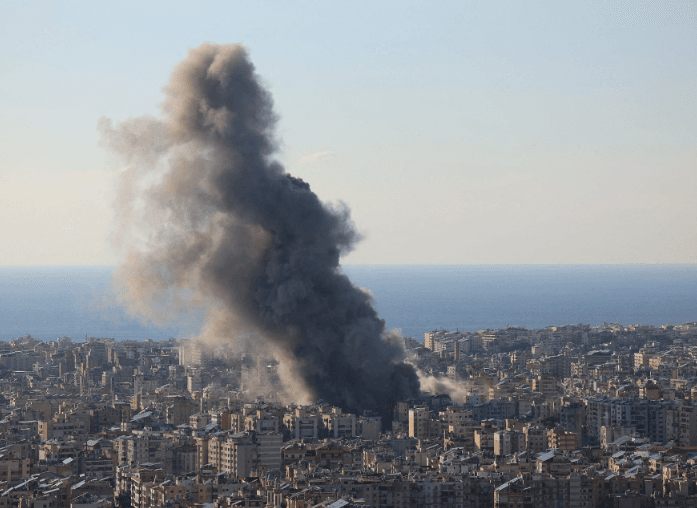
The ongoing conflict in the Middle East could significantly deepen global hunger, with millions more people at risk due to its widening economic impact, according to the World Bank’s chief economist. Speaking during an interview on the sidelines of the International Monetary Fund (IMF) and World Bank Spring Meetings in Washington, Indermit Gill warned that the number of people facing acute food insecurity could rise sharply in the coming months.
Currently, an estimated 300 million people worldwide are already struggling with severe food shortages. However, Gill cautioned that this figure could increase by as much as 20 percent if the crisis continues and its ripple effects intensify.
One of the key concerns is the disruption of oil supply routes, particularly the Strait of Hormuz, which plays a crucial role in global energy markets. The instability has driven up the cost of fertilizers, which depend heavily on oil-based inputs for production.
As fertilizer prices rise, agricultural production costs are expected to increase, potentially leading to reduced food supply. Gill also warned that some countries may respond by restricting food exports and stockpiling supplies, a move that could push global food prices even higher.
The impact is likely to be most severe in countries experiencing conflict or weak governance. While Asia is currently bearing the brunt of the economic shock, Gill said Africa could soon face significant challenges if the situation persists. He explained that while food currently available in markets was produced before the crisis escalated, the real effects on supply and prices may become evident in the coming months.
Beyond food security, the crisis could also have broader economic consequences. Low-income households, which spend a larger portion of their income on essentials like food and fuel, are expected to be hit hardest by rising prices.
Gill projected that global inflation could rise from around 3 percent to as high as 4.7 percent this year in a worst-case scenario where the conflict continues into August.
At the same time, global economic growth could slow significantly, potentially dropping by up to 40 percent on an annual basis. This combination of rising inflation and slowing growth poses serious risks, particularly for developing countries already burdened by debt. He described the situation as a “double blow,” noting that higher borrowing costs and weaker growth would make it harder for vulnerable nations to respond to ongoing and future crises.
Gill also cautioned that global growth figures can sometimes paint an overly optimistic picture, as large economies like the United States, China, and India tend to mask underlying weaknesses in smaller, more vulnerable countries.
