






Top global financial and energy institutions have warned countries against taking actions that could worsen the ongoing energy crisis, described as the biggest shock ever to hit global markets. The International Monetary Fund, World Bank and International Energy Agency jointly called on nations to avoid hoarding fuel supplies or imposing export restrictions, saying such moves risk deepening global shortages.
IEA Executive Director Fatih Birol urged countries to allow energy supplies to flow freely into the market. He noted that some nations had already begun stockpiling resources and restricting exports, though he did not specify which ones. According to Birol, these actions could intensify the already fragile global supply situation and prolong the crisis.
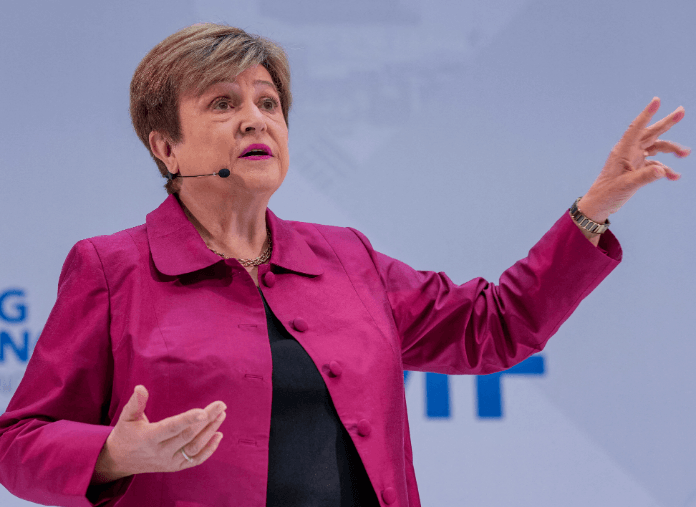
Meanwhile, IMF Managing Director Kristalina Georgieva emphasized the need for restraint, warning that export controls could worsen global imbalances. She pointed out that several regions, including parts of Asia, Sub-Saharan Africa, and Pacific island nations, are already facing severe supply concerns. Georgieva cautioned that prolonged conflict could significantly slow economic growth while driving inflation higher.
The crisis has been intensified by rising geopolitical tensions in the Middle East. A naval blockade targeting ships leaving Iranian ports and threats of retaliation have heightened uncertainty in global markets. The situation has disrupted critical supply routes, particularly the Strait of Hormuz, a vital corridor responsible for transporting about 20% of the world’s oil and liquefied natural gas. As a result, oil prices have surged past $100 per barrel, with little indication of a quick return to normal shipping operations.
Birol described the crisis as unprecedented, revealing that more than 80 oil and gas facilities across the Middle East have been damaged so far. He warned that no country is immune from the effects, with some expected to suffer more severe consequences than others as supply disruptions continue.
Leaders from the IMF, World Bank, and IEA pledged to continue working together to manage the crisis and support affected countries. They stressed that coordinated action would be more effective in stabilizing markets and protecting vulnerable economies from further shocks.
The IMF and World Bank have indicated that the ongoing conflict will likely lead to downgraded global growth forecasts and higher inflation projections. Even if key shipping routes reopen, officials warn it will take time for supply chains to recover and for commodity markets to stabilize.
The IEA has already released approximately 400 million barrels of oil from its strategic reserves to ease pressure on global markets. However, Birol noted that this accounts for only about 20% of total reserves, signaling that more emergency measures could be deployed if the situation worsens.
