








Kenya’s higher education sector is undergoing rapid expansion, with student enrollment climbing to nearly 670,000 across public and private universities. The growth reflects increasing trust in university education as a key driver of career success and economic advancement.
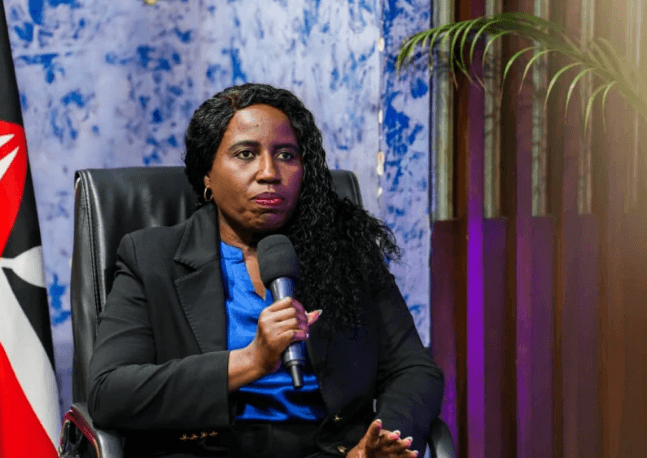
Principal Secretary for Higher Education, Dr. Beatrice Inyangala, attributed the surge in student numbers to growing confidence among young people in the value of university degrees. She noted that more learners are pursuing higher education as a pathway to better job opportunities and financial stability. According to Inyangala, courses such as medicine, nursing, law, information technology, and education are becoming increasingly popular due to strong demand for skilled professionals both in Kenya and abroad.
The PS observed that student choices are aligning with global workforce demands. Fields such as healthcare, education, and technology are gaining prominence as economies evolve and require more specialized expertise. She emphasized that this shift highlights the growing importance of professionals who can support modern systems, from healthcare delivery to digital innovation.
Inyangala challenged universities to rethink traditional teaching approaches by placing greater emphasis on practical skills. She urged institutions to move away from heavily theory-based instruction and instead adopt competency-based and project-oriented learning. She stressed that today’s job market favors graduates who can think critically, solve real-world problems, and adapt quickly to changing environments.
The PS underscored the importance of digital literacy, noting that technology is no longer limited to ICT-related careers. Instead, it plays a central role across diverse sectors including agriculture, finance, engineering, healthcare, and even the creative arts. As a result, she called on universities to integrate digital training into all academic programs to better prepare students for the modern workforce.
Inyangala’s remarks come as universities gear up to admit learners from the Competency-Based Curriculum (CBC) starting in 2029. She revealed that institutions are already reviewing academic programs, retraining lecturers, and evaluating infrastructure to accommodate the new cohort. Special focus is being placed on expanding facilities for technical courses, creative arts, and hands-on learning environments.
The government has also begun collecting data to identify gaps in university capacity and ensure adequate investment ahead of the transition. These efforts aim to guarantee that institutions are fully prepared to deliver quality education under the CBC system.
As Kenya’s higher education sector continues to grow, the emphasis is shifting toward producing graduates equipped with practical and digital skills. With reforms underway and preparations for CBC in progress, universities are positioning themselves to meet the demands of an evolving global job market.
