





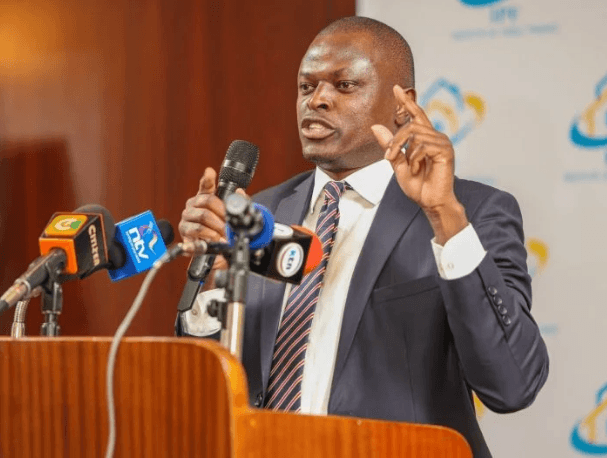
Kiharu Member of Parliament Ndindi Nyoro has proposed a bold plan to cut Ksh.100 billion from government foreign travel budgets and redirect the funds to fuel subsidies, in a move aimed at lowering the cost of fuel for Kenyans
While appearing before the Departmental Committee on Budget, Nyoro pointed to high government expenditure as a key contributor to the rising cost of petroleum imports. He argued that trimming spending across the Executive, Legislature, and Judiciary could create fiscal space to cushion consumers.
The lawmaker called for sweeping reductions in foreign travel, as well as cuts to operational and maintenance budgets, saying the savings could be channelled into the Fuel Subsidy Fund. Nyoro also questioned the rationale behind increased funding for certain institutions, including a reported 25 per cent budget hike for State House.
Beyond spending cuts, Nyoro is advocating for the removal of the 8 per cent Value Added Tax (VAT) on fuel. He also proposed reducing the Road Maintenance Levy Fund (RMLF) by at least Ksh.7 per litre, arguing that the measures would significantly lower pump prices and ease the cost of living.
However, the proposals sparked sharp criticism from members of the committee. Some lawmakers challenged Nyoro’s position, noting that during his tenure as Budget Committee chair, he had previously cited inadequate road levy funds as a reason for stalled infrastructure projects. In response, Nyoro defended his recommendations, stating that the proposed adjustments would be offset by alternative mechanisms such as fuel subsidies, ultimately benefiting consumers.
Committee Chair Samuel Atandi raised concerns about the practicality of cutting key revenue streams at a time when the government is under pressure to meet growing expenditure demands. He warned that reducing revenue could further strain public finances, making it difficult to sustain essential services.
Nyoro also renewed calls to abolish the government-to-government (G-to-G) oil importation arrangement. He argued that the deal has failed to stabilise fuel prices and may be increasing costs due to sourcing challenges and the use of intermediary companies.
The session grew heated when lawmakers questioned why Nyoro had not proposed similar interventions to reduce electricity costs. Some suggested he had vested interests in the energy sector. Nyoro dismissed the allegations, insisting that his focus was on fuel pricing and attributing high electricity costs to private power producers.
The Departmental Committee on Budget is currently reviewing various proposals to address rising fuel prices and is expected to present its findings to Parliament. Nyoro’s proposals have ignited debate on government spending priorities, taxation, and the best path to ease the financial burden on Kenyans.
