








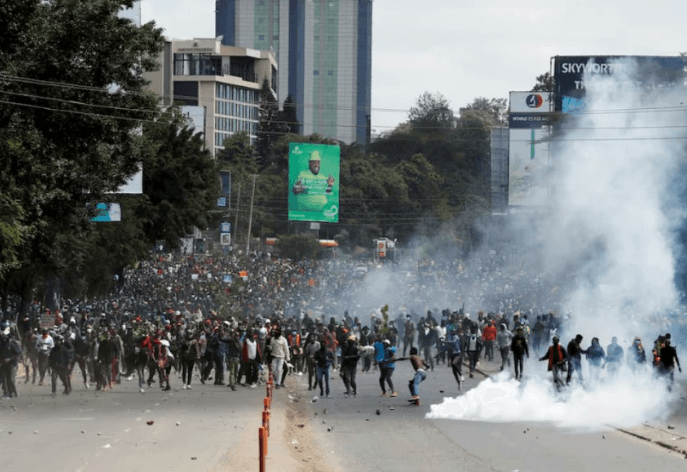
Kenya is facing a significant risk of election-related violence ahead of the 2027 General Election, according to a new Electoral Vulnerability Index (EVI) released by the Kofi Annan Foundation. The report paints a worrying picture, estimating an 84.1% likelihood of electoral violence during the next general election. It also notes that Kenya has experienced violence in every election cycle since the return of multi-party democracy, highlighting the country’s long-standing struggle to conduct peaceful polls.
The assessment places Kenya among 10 countries identified by the European Union as priority nations requiring close monitoring during the current electoral cycle. Other African countries on the list include:
- Somalia
- Burundi
- Nigeria
- Democratic Republic of the Congo (DRC)
The report points to Kenya’s history of politically motivated violence, particularly the 2007-2008 post-election crisis, which claimed more than 1,000 lives and displaced hundreds of thousands of people.
Political Tensions Extend Beyond Elections
According to the report, Kenya’s political instability is no longer limited to election periods.
Since 2023, the country has witnessed widespread demonstrations over issues such as:
- The Finance Bill
- Rising cost of living
- Police brutality
- Increasing fuel prices
These protests have resulted in dozens of deaths, hundreds of injuries, and widespread destruction of property worth millions of shillings. The report argues that these unresolved grievances could significantly influence voter behaviour and political tensions during the 2027 election period.
The Electoral Vulnerability Index also highlights the changing political landscape following the death of veteran opposition leader Raila Odinga in October last year. According to the report, his absence could produce two possible outcomes:
- A weaker and more predictable opposition movement.
- A leadership contest that creates new political alliances and unexpected challenges for the government.
Combined with growing public frustration over economic hardships and demands for accountability, the report suggests that the 2027 elections may become more than a contest for political power—they could also serve as a platform for broader public discontent.
The report identifies three institutions that will play a decisive role in ensuring peaceful elections:
The report stresses that public confidence in the electoral process will depend heavily on how transparently the IEBC procures and manages election technology. Any doubts surrounding the credibility of voting systems could undermine trust in the final results.
Security agencies are expected to play a critical role in maintaining order while respecting constitutional rights. The report notes that how police respond to protests and safeguard human rights could significantly influence the level of electoral violence.
Kenya’s Judiciary, particularly the Supreme Court, is recognised as an important pillar in resolving election disputes peacefully. The report notes that the court’s handling of the disputed 2022 presidential election demonstrated its importance in maintaining stability. However, it cautions that this role will only remain effective if political actors preserve evidence, respect legal processes, and accept court decisions—even when they disagree with the outcomes.
While Kenya has strengthened its democratic institutions over the years, the report warns that unresolved economic pressures, political uncertainty, and declining public trust continue to pose serious risks. With less than two years before the 2027 General Election, the findings underscore the need for credible electoral preparations, accountable governance, and peaceful political engagement to prevent a repeat of past violence.
