







Country music icon Dolly Parton has died at the age of 80, bringing an end to a remarkable career that spanned nearly six decades and made her one of the most recognisable entertainers in the world. Parton’s family announced her death, describing the legendary singer, songwriter and actress as a woman whose influence extended far beyond music.
From humble beginnings in rural Tennessee, Parton built a global career through her songwriting, distinctive voice, colourful personality and remarkable ability to connect with audiences.
A Love for Music That Began in Childhood
Parton’s passion for songwriting emerged when she was still a young child. At around six years old, she wrote her first known song, inspired by a homemade corncob doll that had become one of her favourite possessions. Her mother preserved the early song in a shoebox, unknowingly keeping a piece of history from the childhood of a future music legend.
By the age of eight, Parton had received her first proper guitar and was already writing and performing her own songs. She began appearing on local radio as a child and made her debut at Nashville’s Grand Ole Opry at just 13. After completing high school, she moved to Nashville to pursue music professionally.
From Poverty to Global Stardom
Born on January 19, 1946, in Tennessee, Parton grew up in a large family with limited financial means. She was one of 12 children raised by tobacco farmer Robert Lee Parton and his wife, Avie Lee. Her upbringing later became an important source of inspiration for her songwriting. Stories about family, hardship, love and determination featured prominently throughout her music.
Her mother’s love for traditional songs also influenced Parton’s early musical development and helped nurture her interest in storytelling through music.
In Nashville, Parton eventually formed a successful professional partnership with country singer Porter Wagoner. Their collaboration produced numerous successful duets and helped establish her reputation in the country music industry. Parton later embarked on a solo career, during which she cemented her place among the biggest names in music.
A Songwriter Behind Some of Music’s Biggest Hits
Parton’s songwriting was at the heart of her success. She wrote thousands of songs throughout her lifetime, with hundreds eventually recorded by herself and other artists.
Her catalogue included some of country music’s most enduring songs, including “Jolene,” “Coat of Many Colors” and “I Will Always Love You.”
The latter became an international phenomenon after Whitney Houston recorded a version for the film The Bodyguard, introducing Parton’s songwriting to an even wider global audience.
Her songs were also performed by artists from different musical backgrounds, demonstrating the lasting appeal and versatility of her writing. Parton once described songwriting as a deeply personal experience, explaining that she enjoyed creating vivid stories and images through her lyrics.
From Music to Hollywood
Parton’s talents extended beyond the recording studio. She made her major film debut in 9 to 5 in 1980, starring alongside Jane Fonda and Lily Tomlin. The film’s title song, written and performed by Parton, earned her an Academy Award nomination.
She went on to appear in several other films, including The Best Little Whorehouse in Texas, Steel Magnolias, Rhinestone and Straight Talk.
Her work in entertainment earned her numerous honours, including Grammy recognition and multiple songwriting accolades. She was inducted into the Songwriters Hall of Fame and later became a member of the Rock & Roll Hall of Fame in 2022.
The Woman Behind the Dolly Image
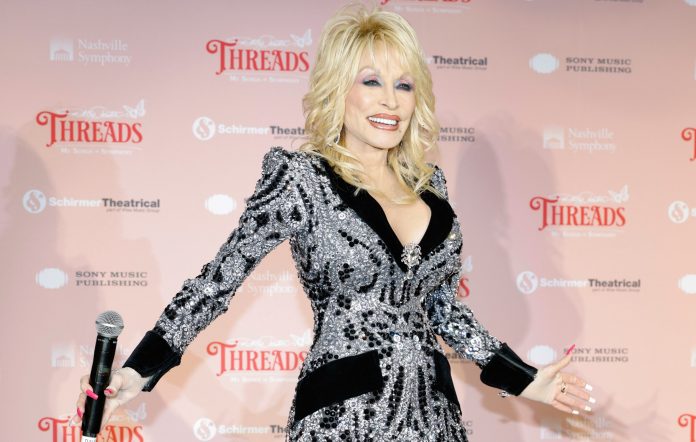
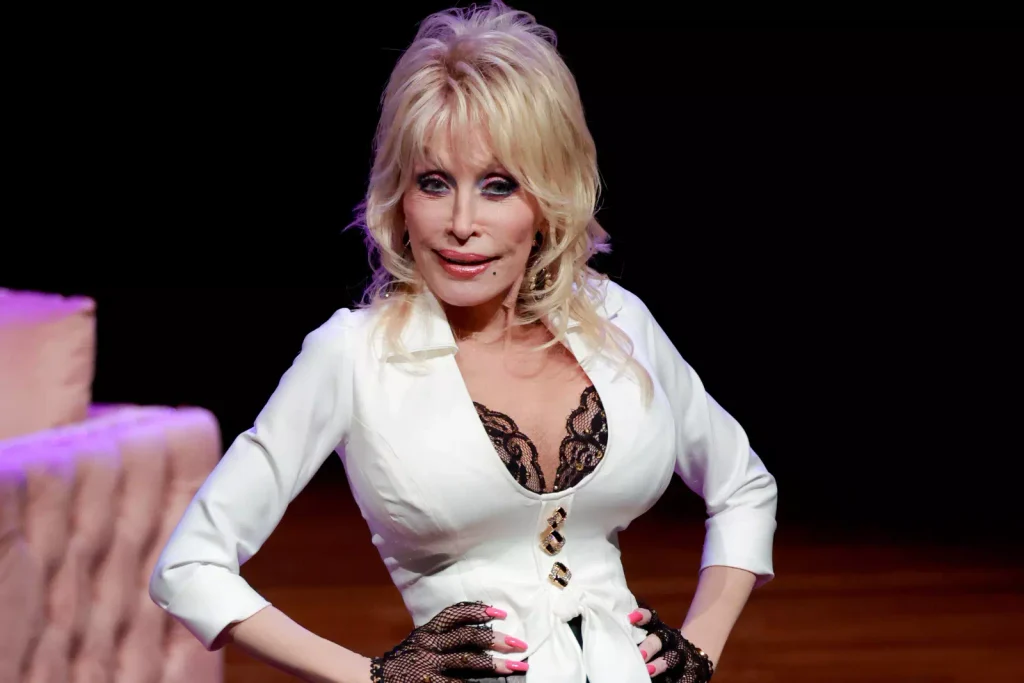
Parton also became famous for her distinctive appearance, featuring elaborate hairstyles, glamorous outfits and a larger-than-life stage presence. Rather than allowing public attention around her appearance to define her, Parton embraced the image and often used humour to address the fascination surrounding her look.
She explained that the highly recognisable “Dolly” persona was partly an artistic creation, allowing her to experiment with fashion and entertainment while keeping a distinction between her public image and private self. That combination of humour, confidence and authenticity became one of the defining features of her career.
A Career Built on Connecting With People
Despite achieving extraordinary wealth and fame, Parton remained closely associated with her humble beginnings.
Her background helped shape her public image as an entertainer who understood the struggles of ordinary working people. She frequently supported charitable initiatives and used her wealth and influence to assist communities and families.
During the COVID-19 pandemic, she donated $1 million toward vaccine research at Vanderbilt University, becoming an early supporter of research that contributed to vaccine development.
She also established literacy initiatives for young children in several countries and supported education through scholarships for students in her native Tennessee. Her philanthropic efforts became another important part of her legacy.
Dollywood and Her Tennessee Roots
Parton also turned her connection to Tennessee into a major business venture through Dollywood, the theme park in her home state.
The attraction became a popular destination while also reflecting Parton’s deep connection to the region where she was raised.
Her relationship with her hometown remained an important part of her identity throughout her life. She was honoured by her local community with a statue, although she later declined a proposal for another statue in Nashville, saying she did not believe the timing was appropriate.
A Legacy That Goes Beyond Music
Parton achieved milestones that few entertainers have matched.
Twenty-five of her songs reached No. 1 on the Billboard Country charts, while her songwriting earned some of the industry’s highest honours. She received Grammy Awards, Oscar nominations and numerous other recognitions throughout her career. Yet Parton consistently placed her songwriting above many of the awards and achievements attached to her name.
For her, music was more than entertainment. It was a way of telling stories, expressing emotions and connecting with people. Her journey from a poor childhood in rural Tennessee to international superstardom made her an enduring symbol of ambition, creativity and perseverance.
Dolly Parton leaves behind a musical catalogue that has influenced generations of performers and listeners. Her songs, films, businesses and charitable work have ensured that her influence extends far beyond the stage.
