







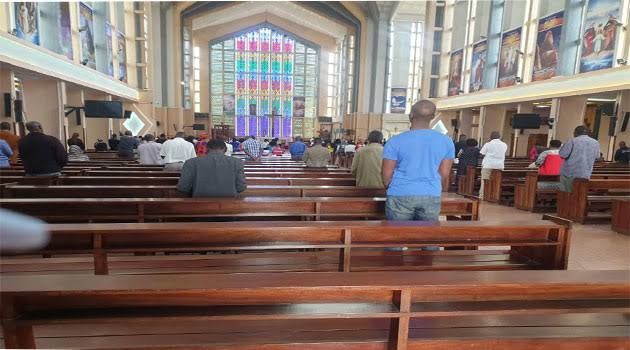
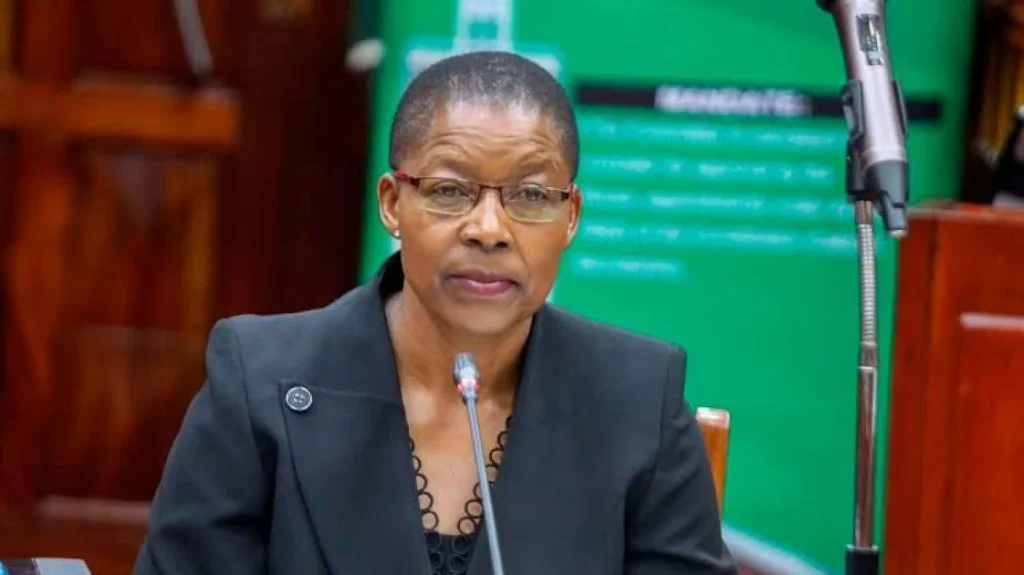
Attorney General Dorcas Oduor has raised concerns over the growing number of religious organisations seeking registration in Kenya, saying her office handles nearly 60 new church applications every month. Speaking during a Katiba Day panel discussion at the Kenyatta International Convention Centre (KICC) in Nairobi, Oduor linked the rapid growth of religious organisations to increasing governance challenges, financial disputes and leadership conflicts within churches.
Church Leadership Disputes Raise Concern
The Attorney General noted that leadership elections in some churches have become increasingly contentious, with disagreements between rival factions sometimes escalating into violence. She said some religious organisations fail to resolve internal disputes through their own constitutions and established governance structures, instead turning to the Registrar of Societies and courts to settle disagreements over leadership and control of church assets.
According to Oduor, the resulting legal battles can become complicated and often require government intervention to resolve.
Government Tightens Regulation of Religious Groups
Oduor’s remarks come amid increased government scrutiny of religious organisations following concerns over accountability and governance in the sector. Religious groups seeking registration are required to meet various legal and administrative conditions, including providing clearance certificates, tax compliance documents, identification documents, KRA PINs and recognised theological qualifications.
Despite the requirements, thousands of religious organisations continue to operate across the country, presenting authorities with a significant challenge in ensuring effective oversight.
Shakahola Tragedy Intensified Calls for Regulation
The debate over regulation gained renewed national attention following the 2023 Shakahola tragedy in Kilifi County, where more than 400 followers of self-proclaimed pastor Paul Mackenzie died after being subjected to extreme religious practices. Following the tragedy, the government established a presidential task force on religious organisations to examine the laws and regulatory frameworks governing faith-based groups. The review sought to develop stronger safeguards against radicalisation, financial exploitation, extremist teachings and abuse carried out under the cover of religion.
Balancing Religious Freedom and Accountability
Religious organisations remain influential institutions in Kenyan society, with churches playing significant roles in social and political life.
As calls for greater regulation continue, authorities face the challenge of strengthening oversight without infringing on the constitutional right to freedom of religion and worship.
Oduor’s comments highlight the need for stronger governance within religious institutions while ensuring that citizens are protected from financial misconduct, leadership disputes and other forms of abuse.
