






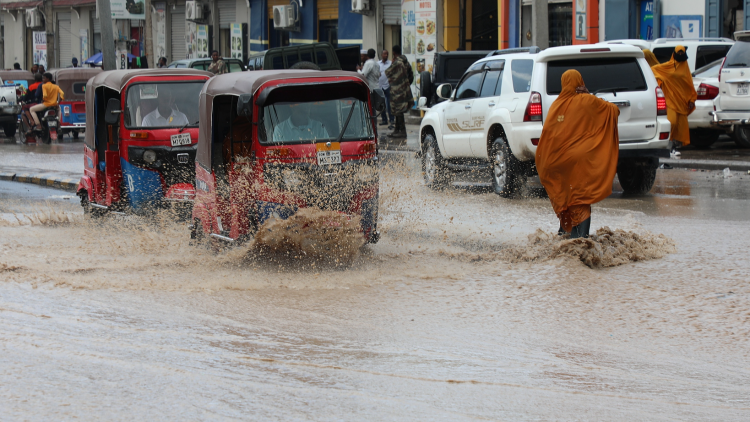

The government has activated a national contingency plan as part of preparations to respond to the anticipated El Niño rains and minimise their potential impact across the country. The Ministry of Interior and National Administration said interventions will be expanded depending on the severity and geographical spread of the effects experienced. The response will bring together multiple government agencies and humanitarian organisations to coordinate rescue, evacuation, health and relief operations.
Security agencies prepare for rescue operations
Authorities are developing coordinated evacuation procedures while mapping alternative access routes in areas that could be affected by flooding and other weather-related disruptions. Search and rescue operations will involve the Kenya Coast Guard Service (KCGS), Kenya Defence Forces (KDF), National Police Service (NPS), Kenya Red Cross Society (KRCS) and National Youth Service (NYS).
The government is also preparing alternative transport routes in case roads and other infrastructure become impassable. Where necessary, air support will be coordinated through the National Disaster Operations Centre (NDOC) to assist communities cut off by damaged infrastructure.
Schools assessed ahead of possible displacement
The government is assessing learning institutions in potentially affected areas to determine their condition and whether they can remain operational. The assessment will also help authorities protect learning materials in schools that may have to temporarily serve as evacuation or displacement centres. Designated evacuation and displacement facilities have been identified, with a standard registration system being prepared to help authorities identify and monitor displaced people and coordinate the delivery of assistance.
Health teams placed on alert
The Public Health Emergency Operations Centre (PHEOC) and Incident Management System (IMS) have been activated to support coordination of emergency health services. Authorities are also strengthening disease surveillance amid concerns that flooding and displacement could increase the risk of communicable disease outbreaks.
The Ministry said supplies of therapeutic and supplementary nutrition commodities have been secured to maintain essential services during the emergency. Water-quality monitoring will also be intensified in affected locations, alongside the distribution of water-treatment products. Sanitation facilities in vulnerable settlements will be assessed to reduce the risk of contamination and other public health challenges.
Food stocks prepared in priority counties
The government has pre-positioned food supplies for release in 10 priority counties considered vulnerable to the effects of the anticipated rains. The counties are Tana River, Garissa, Kisumu, Busia, Nakuru, Mombasa, Kilifi, Wajir, Mandera and Turkana. Agricultural authorities will also provide farmers with location-specific advisories to help them make decisions as weather conditions change.
Nairobi prepares for possible emergencies
At the county level, Nairobi has conducted a disaster management simulation as part of preparations for possible weather-related emergencies. The county government plans to coordinate a multi-agency response involving the Kenya National Highways Authority (KeNHA), Kenya Urban Roads Authority (KURA), Kenya Red Cross, Nairobi Fire Department and the National Police Service.
The collaboration is expected to strengthen emergency response and help protect residents in areas that could experience flooding, infrastructure disruptions and other impacts associated with heavy rainfall. The national government will work with NDOC and county-level coordination structures to ensure that emergency preparedness and response measures are implemented in a coordinated manner across the country.
