



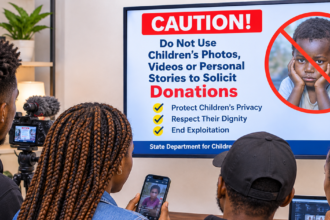


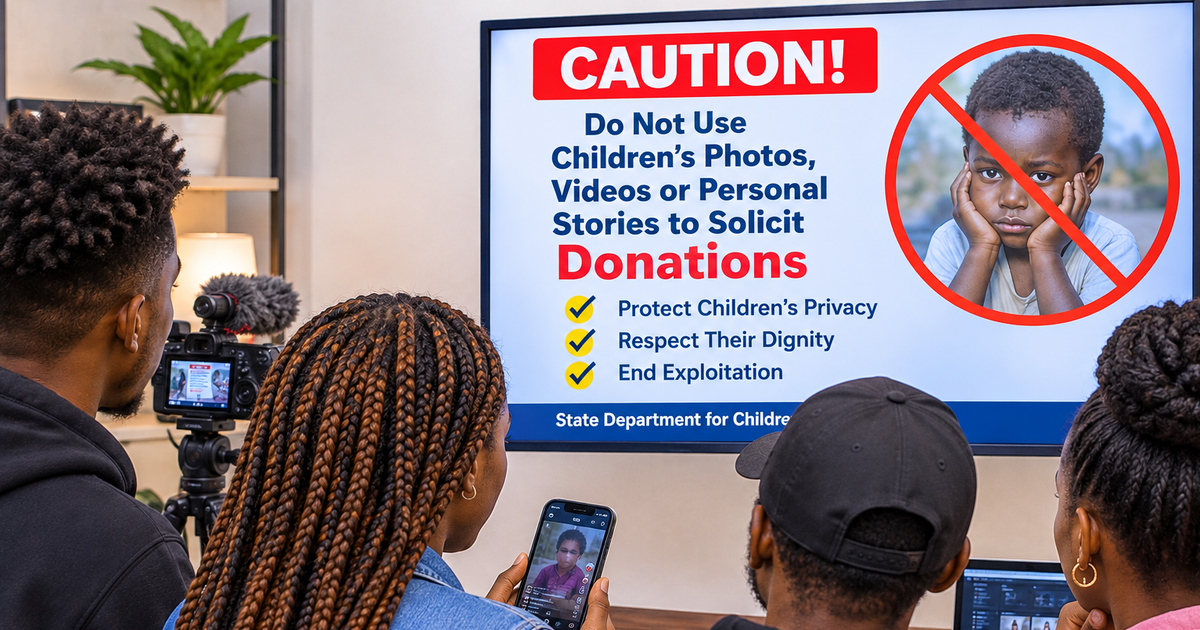

The State Department for Children Services has cautioned individuals and organisations against using children’s photographs, videos and personal stories to raise funds, warning that the practice could expose minors to exploitation and violate their fundamental rights. In a statement, Principal Secretary for Children Services Carren Ageng’o expressed concern over the increasing use of children’s images and private information on social media platforms for charitable campaigns, fundraising and humanitarian publicity. The PS said vulnerable children should be supported without exposing their personal lives, family circumstances or sensitive information to the public in an attempt to attract sympathy and financial contributions.
Government Raises Concern Over Children’s Online Exposure
While acknowledging the contribution of charitable organisations, development partners and well-wishers in supporting vulnerable children and families, the department stressed that such efforts must respect the rights and safety of minors. Ageng’o warned that even initiatives driven by good intentions could have harmful consequences if they expose children to stigma, discrimination, bullying, exploitation or other forms of abuse.
She specifically cautioned against photographing and sharing children’s images without proper authorisation, revealing their identities or publishing sensitive details about their medical conditions and family backgrounds to secure financial assistance. According to the department, exposing such information can put children at risk both online and offline, particularly when their personal circumstances become publicly accessible.
Guidelines for Charitable Organisations and Fundraisers
The department has urged organisations and individuals involved in charitable activities to adopt responsible publicity and fundraising practices that place children’s welfare first. Where publicity is necessary, the department recommends prioritising the child’s best interests, obtaining consent from parents or legal guardians, protecting their identities and ensuring that any information shared is handled responsibly. However, the PS emphasised that parental or guardian consent does not automatically give organisations the right to publish a child’s photograph or sensitive personal information. She noted that such disclosure should not be allowed where it could undermine a child’s safety, dignity, privacy or overall well-being.
Children Services Cites Laws Protecting Minors
Ageng’o reiterated that every child is entitled to privacy, dignity and protection, including when interacting with digital platforms and online communities. She called on organisations, individuals and humanitarian groups to establish child safeguarding policies and ensure their programmes and fundraising activities comply with the laws governing children’s rights. The PS cited the Children Act, 2022, the Data Protection Act, 2019, and Article 53(2) of the Constitution of Kenya, which provides that a child’s best interests must be a primary consideration in every matter concerning them.
The department further announced plans to work with the Office of the Data Protection Commissioner and other relevant agencies to address violations and strengthen safeguards against the misuse of children’s personal information. The warning comes amid growing reliance on social media to publicise charitable initiatives and appeal for financial assistance, highlighting the need to balance humanitarian support with the responsibility to protect vulnerable children.
