




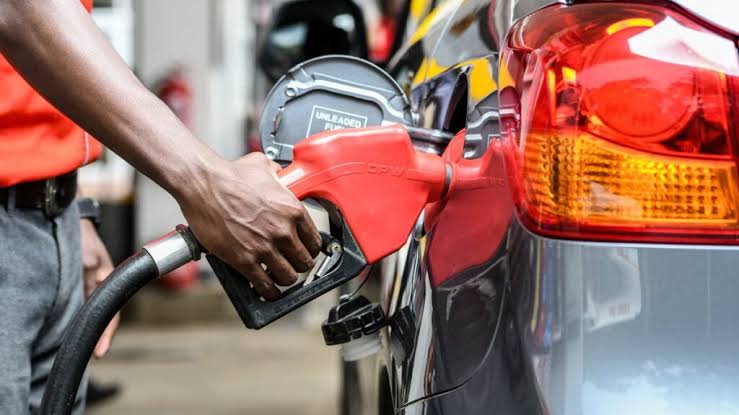
Independent petroleum dealers in Kenya have threatened to suspend purchases of fuel from Oil Marketing Companies (OMCs), accusing suppliers of selling petroleum products above the maximum wholesale prices set by the Energy and Petroleum Regulatory Authority (EPRA). The Petroleum Outlets Association of Kenya (POAK) and the Kenya Independent Petroleum Dealers Association (KIPEDA) say the alleged violations have placed independent fuel stations under financial pressure, making it difficult for them to purchase fuel legally and sell it to consumers at government-regulated prices.
In a joint statement, the associations called on independent petroleum operators to stop buying fuel from suppliers charging wholesale rates above the limits gazetted by EPRA on October 14, 2026. They warned that the situation could lead to further fuel shortages, force some outlets to close and leave others operating at significant losses.
Dealers Raise Alarm Over Wholesale Fuel Prices
The associations claim that some OMCs have continued supplying petroleum products to independent dealers at prices exceeding the prescribed wholesale caps, despite the regulator’s latest monthly price review. According to the October 14 review, pump prices in Nairobi increased by KSh 12.93 per litre for super petrol, KSh 9.90 for diesel and KSh 28.49 for kerosene.
Under the revised prices, super petrol retails at KSh 226.96 per litre, while diesel costs KSh 227.76. Kerosene, widely used by lower-income households for cooking and lighting, sells at KSh 219.87 per litre. The independent dealers argue that when suppliers charge more than the permitted wholesale rates, retailers are left with insufficient margins to cover their operating expenses while complying with the regulated pump prices. They warned that the alleged non-compliance threatens the sustainability of independent fuel stations and could interfere with the government’s efforts to protect consumers from excessive fuel prices.
POAK and KIPEDA Demand Action Against Non-Compliant Suppliers
The two associations have urged EPRA and the State Department for Petroleum to investigate the complaints and impose appropriate sanctions on Oil Marketing Companies found violating the prescribed wholesale price limits. They maintain that regulatory intervention is necessary to restore fair trading conditions and prevent independent dealers from being pushed out of the market.
The associations further warned that a widespread shutdown of independent fuel outlets could disrupt fuel distribution across the country, given their significant role in supplying motorists and other petroleum consumers. They have also called for urgent consultations with the Ministry of Energy and Petroleum and EPRA to resolve the dispute before the situation worsens. The dealers say they remain open to dialogue but insist that suppliers must comply with the law to ensure retailers can continue operating sustainably.
EPRA Links Rising Fuel Prices to Middle East Tensions
The dispute comes amid rising international petroleum prices, which EPRA Director General Eng. Edward Mwirigi Kinyua has linked to instability in the Middle East. Kinyua indicated that international petrol prices had climbed to approximately US$1,300 per tonne, compared with about US$600 earlier in the crisis.
The increase in international prices has added pressure to Kenya’s domestic fuel pricing system, which is reviewed monthly by EPRA. The regulator’s latest adjustments have raised the cost of fuel for motorists, transport operators, businesses and households that rely on petroleum products. Kinyua also explained that part of the increase in kerosene prices was intended to reduce the price difference between kerosene and automotive fuels.
According to the explanation, a wide price gap can create incentives for unscrupulous dealers to mix cheaper kerosene with petrol or diesel, a practice that can damage engines and compromise fuel quality.
Fuel Supply Concerns Mount as Dealers Seek Resolution
The threatened suspension of fuel purchases raises concerns about the potential impact on independent petrol stations and consumers if the dispute remains unresolved. If independent dealers cannot obtain supplies at prices that allow them to comply with EPRA’s retail price limits, some outlets could reduce operations or temporarily shut down, according to the associations.
The organisations are now calling for urgent government intervention to ensure compliance with wholesale price regulations and maintain a stable fuel distribution network. The next steps will depend on discussions between the independent dealers, petroleum suppliers and the relevant government agencies, as the industry seeks a solution that protects consumers while allowing retailers to remain in business.
