




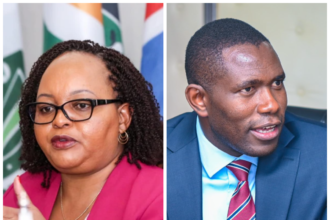

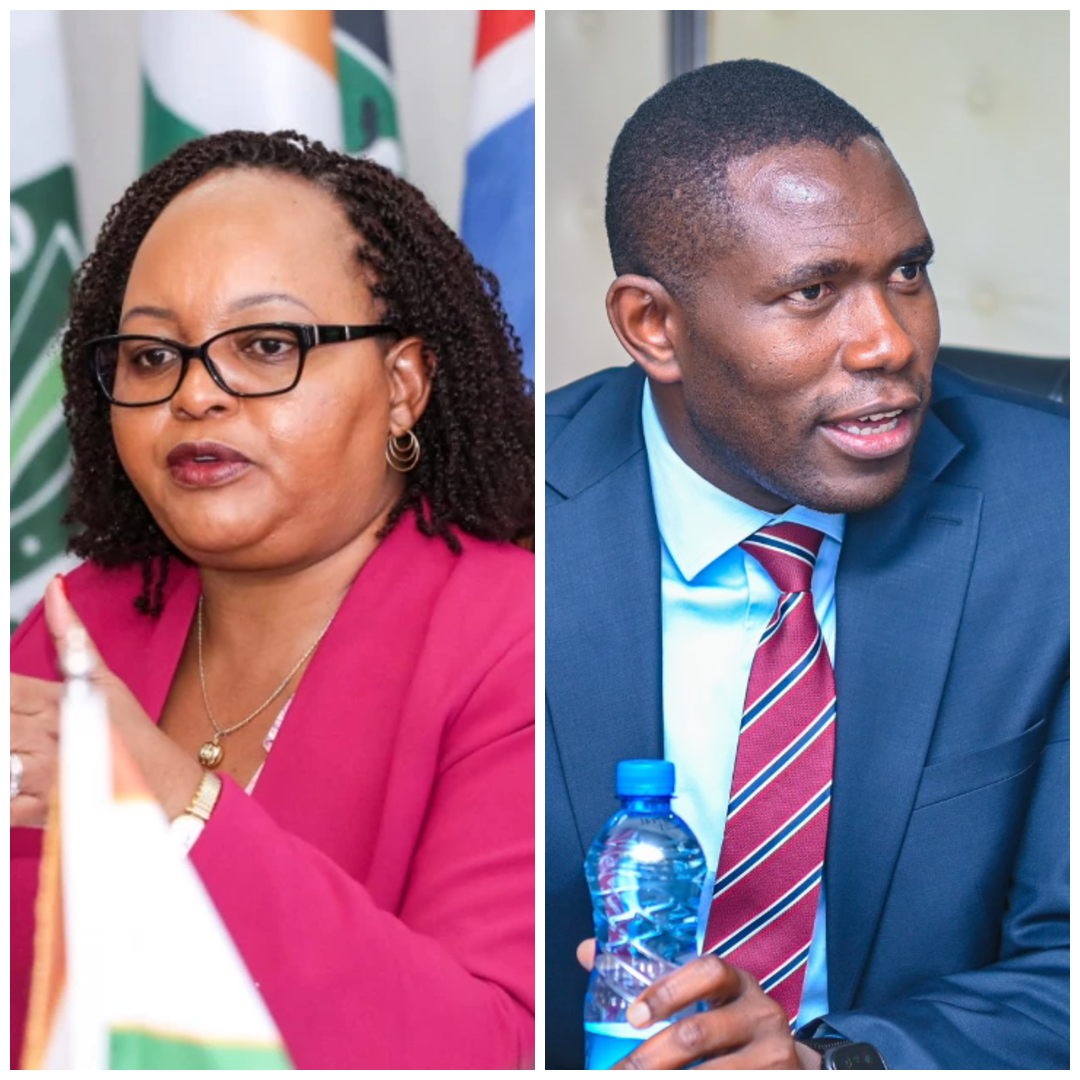
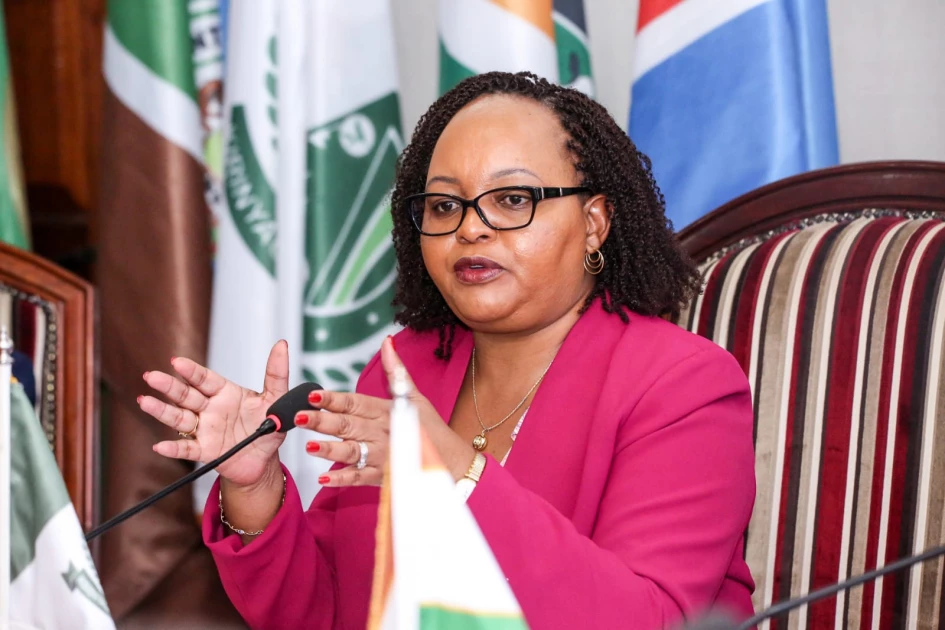
Kirinyaga Governor Anne Waiguru has criticised Principal Secretary for Medical Services Dr Ouma Oluga over his directive ordering public hospitals to remove Paybill accounts used to collect payments from patients, insisting that the national government must respect the independence of county governments. Waiguru argued that county administrations should not receive direct instructions from national government officials on matters involving devolved health services. She maintained that any policy directions affecting county-run hospitals must be communicated through the appropriate consultation channels, particularly the Council of Governors (CoG).
Waiguru Defends County Government Independence
Speaking during the quarterly meeting of County Executive Committee Members (CECMs) for Health in Kagio, Kirinyaga County, where she delivered the keynote address, Waiguru said county governments operate independently and should be engaged through established constitutional structures. She questioned the manner in which Oluga issued the directive, saying a Principal Secretary cannot independently instruct governors on how to manage services under county governments.
The governor noted that the national government should communicate proposed changes through the Council of Governors to ensure that counties are consulted and involved in decisions affecting their health facilities. She further warned that the directive had created confusion in county hospitals, calling on the Ministry of Health to strengthen cooperation with the Council of Governors instead of issuing instructions directly to county officials.
Waiguru Calls for Consultation on SHA Implementation
The Kirinyaga governor also highlighted the importance of collaboration between the national and county governments in implementing the Social Health Authority (SHA) framework. She observed that the transition to SHA presents an opportunity to expand access to healthcare and improve financial protection for Kenyans.
However, she cautioned that the success of the programme depends on timely reimbursement of hospitals, efficient processing of claims and reliable financing at health facility level. Waiguru also urged county governments to begin preparing for an orderly transition ahead of the 2027 General Election. She said counties have a responsibility to protect ongoing health programmes, document their achievements and strengthen institutions to ensure continuity of service delivery.
Dispute Follows Oluga’s Directive on Hospital Paybills
Waiguru’s remarks come after PS Ouma Oluga directed all public hospitals across the country to immediately remove Paybill accounts used to collect payments from patients. Oluga argued that requiring patients to make payments before receiving treatment places an unnecessary financial burden on households, particularly those with limited incomes. He maintained that such practices could push vulnerable families deeper into poverty. The directive has since sparked disagreement between the Ministry of Health and county governments over the management of health facilities and the authority to issue policy instructions on devolved services.
Council of Governors Also Rejects the Directive
On Monday, Council of Governors Chairperson Muthomi Njuki challenged the manner in which Oluga communicated the directive, insisting that the Ministry of Health must follow constitutional procedures when making decisions that affect county-run hospitals. Njuki called for consultation and cooperation between the two levels of government, arguing that policies touching on devolved health functions should not be implemented through unilateral instructions.
Waiguru echoed the Council of Governors’ position, urging county leaders to defend devolution and resist directives from the Ministry of Health that she considers unconstitutional. The disagreement has brought renewed attention to the relationship between the national government and county administrations as they navigate the implementation of SHA and the management of public healthcare services.
