






China has approved its first oral GLP-1 weight-loss medication, allowing American pharmaceutical company Eli Lilly to introduce its orforglipron pill into a rapidly expanding market for obesity treatments. The drug, marketed under the name Muyouda, was approved by China’s National Medical Products Administration (NMPA) on Thursday for adults who are overweight or obese and have at least one weight-related medical condition. The approval marks a significant development in China’s weight-management industry as pharmaceutical companies increasingly compete to develop oral alternatives to injectable GLP-1 medications.
How the New Weight-Loss Drug Works
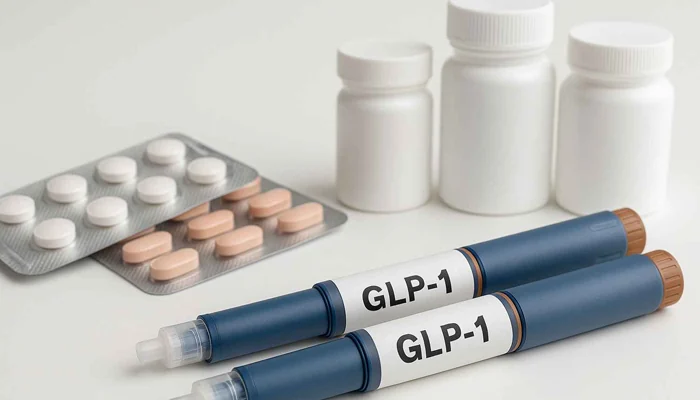
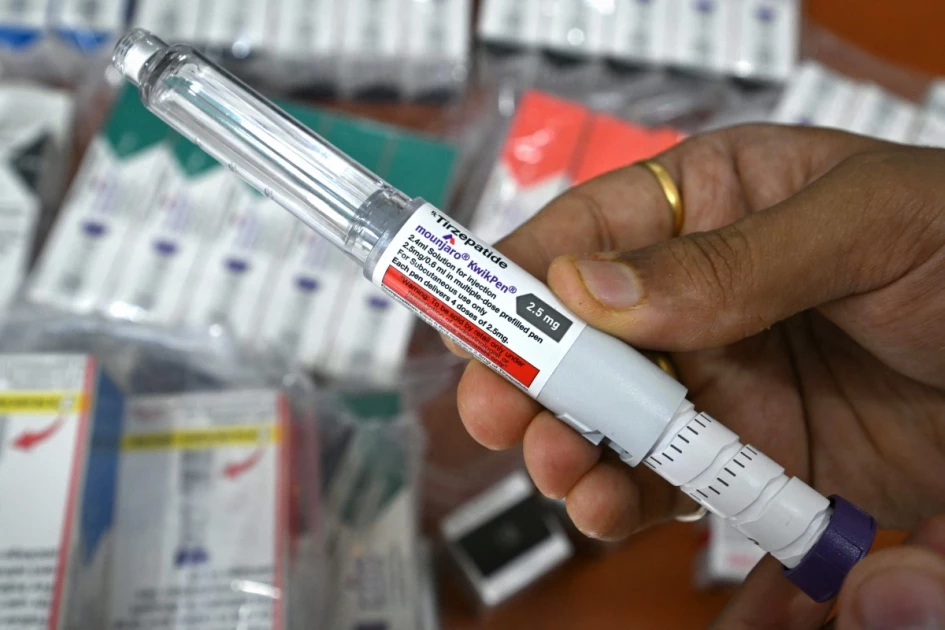
Orforglipron belongs to a class of medicines known as GLP-1 drugs, which work by mimicking a naturally occurring gut hormone involved in appetite regulation and blood sugar control. The medication is designed to help regulate appetite and support weight management. Unlike existing injectable treatments, Eli Lilly’s product is taken orally once a day. The company had previously secured approval for the medication in the United States in April, before receiving regulatory clearance in China.
With the latest approval, Eli Lilly has moved ahead of Danish pharmaceutical company Novo Nordisk in securing approval for an oral GLP-1 treatment in the Chinese market. Novo Nordisk manufactures Wegovy, one of the widely recognised injectable weight-management medications.
Growing Competition in China’s Weight-Loss Drug Market
China’s approval comes amid increasing competition among international and domestic pharmaceutical manufacturers seeking to expand their presence in the country’s obesity-treatment market. GLP-1 injectable medications produced by Eli Lilly, Novo Nordisk and China’s Innovent Biologics are already available in the country.
The introduction of an oral alternative is expected to add another option to the growing range of weight-management treatments available to eligible patients. Pharmaceutical companies are increasingly investing in oral formulations as they seek to provide alternatives to injection-based medications.
China Faces Rising Obesity Concerns
The approval also comes as China prepares for a significant increase in the number of adults living with overweight and obesity. A 2025 study published in The Lancet projected that the number of overweight or obese adults in China could reach 630 million by 2050. The country’s National Health Commission has also warned that approximately 65 per cent of the population could be overweight or obese by 2030.
The rising figures have increased attention on obesity prevention, healthcare interventions and the development of medical treatments. Eli Lilly’s latest regulatory approval therefore positions the company in an increasingly competitive market as China seeks to address its growing weight-related health challenges.
