





Several suppliers who claim they are owed more than KSh 6 billion by the National Youth Service (NYS) have turned to the High Court in a bid to compel the government agency to release the delayed funds and lift orders blocking the payments. According to court filings and statements from the companies involved, the dispute centres on KSh 6,167,797,655 that they say is owed to them for goods and services they provided to the NYS over a period of years. The firms — including Highview Trading, Schoolwork Enterprises, Newtool Mart Trading, Ratego Technologies, Realtool Trading, Comptool Trading, Horizon Limited and General Jimchar Enterprise Limited — argue that the continued delay in settling these legitimate debts is causing them irreparable financial harm.
Court Orders Halt Payments Amid Anti-Corruption Probe
The payments were frozen after the Ethics and Anti-Corruption Commission (EACC) launched an investigation into alleged irregularities in the NYS’s procurement processes. EACC obtained orders from the Anti-Corruption Court stopping both NYS and the companies from demanding or releasing any money related to the disputed claims.
In its case, EACC asserts that a series of Local Purchase Orders (LPOs), delivery notes and invoices submitted to the NYS were fictitious or improperly authorised. The commission alleges that these documents were not genuine and that goods were never delivered as claimed — charges the companies reject and challenge in court.
Suppliers Challenge Freeze, Seek Release of Documents
In a petition filed at the High Court, the suppliers say the restraining orders were issued without full disclosure of all material facts, and argue that critical documentation needed to support their claims, particularly original LPOs and payment vouchers, has been held by EACC for years, preventing them from substantiating their entitlement to payment.
The companies also say the orders infringe on their constitutional right to fair and reasonable administrative action under Article 47(1), because they have been barred from pursuing payment for sums they maintain are legitimately owed to them. According to their lawyers, the continued hold on the funds treats allegations as established facts even before a court has fully heard and determined the case.
Background: NYS Scandals and Payment Freezes
The dispute over the KSh 6 billion payments comes against the backdrop of longstanding financial scrutiny of the NYS. Previous scandals and investigations have seen payments to suppliers interrupted, with multi-agency verification committees established to review pending bills dating back several financial years. According to some industry reports, many suppliers were caught up in earlier NYS payment freezes that began after large-scale losses were discovered in procurement processes. These freezes were designed to protect public funds and ensure that only valid claims were paid once all supporting documentation could be verified.
Firms Argue No Funds Released Yet
In their court submissions, the petitioners contend that no actual funds have yet been paid out by Treasury or NYS against the disputed vouchers, meaning that the basis for freezing or preserving government assets as part of an anti-corruption effort does not apply in the traditional sense. They argue that because the funds remain in government custody and have not been disbursed, preservation orders should not be used to block their right to seek payment.
Furthermore, the petitioners claim that they complied with a public verification process for pending bills and that they submitted 21 LPOs to a government-appointed Pending Bills Multi-Agency Verification Committee following a public call for verification. They say their inability to produce complete documentation sooner was due to EACC holding key originals for years during the investigation.
What Happens Next
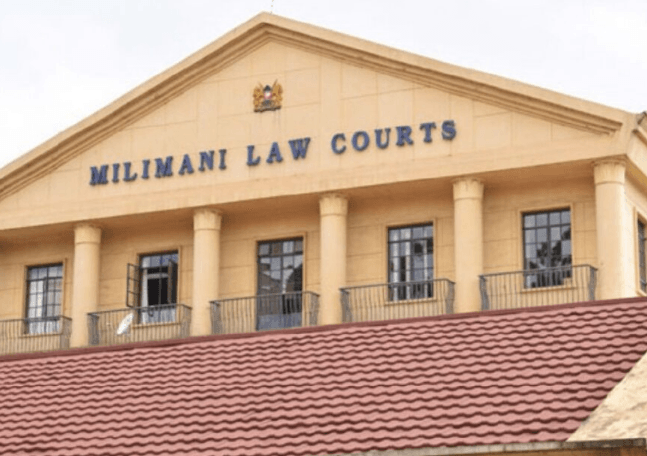
The High Court will now consider whether the temporary injunctions that froze the payments should be lifted, and whether the EACC must release original documentation back to the suppliers. Lawyers for the companies have asked the court not only to quash the restraining orders but also to protect their clients’ rights to transparency and due process.
For many small and medium firms caught up in this legal battle, the outcome will determine whether they can recover substantial sums owed for goods and services already delivered, or whether the government retains discretion to indefinitely delay payments in the context of corruption investigations.
