







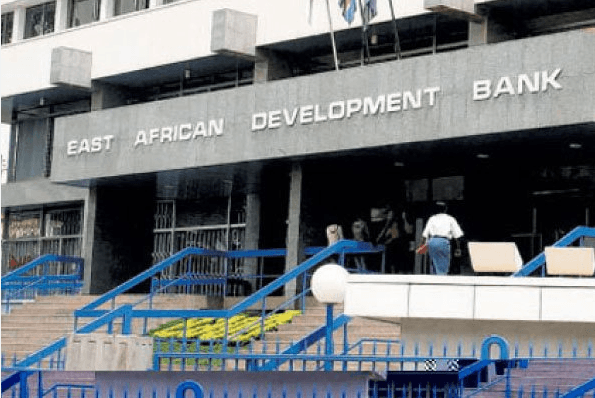
The East African Development Bank (EADB) has moved to clear the air surrounding its ongoing loan dispute with former Cabinet Secretary Raphael Tuju. The clarification comes amid growing public interest and speculation over the nature of the financial disagreement and the parties involved.
The dispute between EADB and Tuju has been the subject of legal and public scrutiny for some time. At the center of the issue is a loan facility extended to a company associated with the former Cabinet Secretary, which the bank claims has not been serviced as agreed. Reports and court proceedings have highlighted disagreements over repayment terms, accrued interest, and enforcement measures taken by the lender.
In its latest statement, the bank emphasized that its actions are strictly guided by contractual obligations and established financial regulations. EADB maintains that the loan in question was issued under clear terms and conditions, which all parties were expected to honor. The lender further noted that any recovery efforts undertaken are in line with its mandate to safeguard public funds and ensure financial discipline across its operations.
The case underscores the broader implications of loan defaults, especially when they involve high-profile individuals. Financial institutions such as EADB are obligated to pursue repayments to maintain their credibility and operational sustainability. At the same time, borrowers are entitled to legal recourse, making the courts a key arena for resolving such disputes. The outcome of this case could set a precedent for how similar financial disagreements are handled in the region.
Given Tuju’s past role in government, the dispute has drawn significant public attention. Issues of accountability, transparency, and fairness have been widely debated, with many observers keen to see how the matter is resolved. EADB’s clarification appears aimed at reinforcing public confidence and dispelling any misconceptions surrounding its actions.
As the legal process continues, the dispute between the East African Development Bank and Raphael Tuju remains a critical case to watch. It highlights the importance of adhering to financial agreements and the role of institutions in enforcing them. Ultimately, the resolution will not only affect the parties involved but may also influence future lending practices and borrower accountability within the region.
