



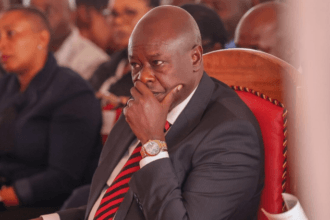

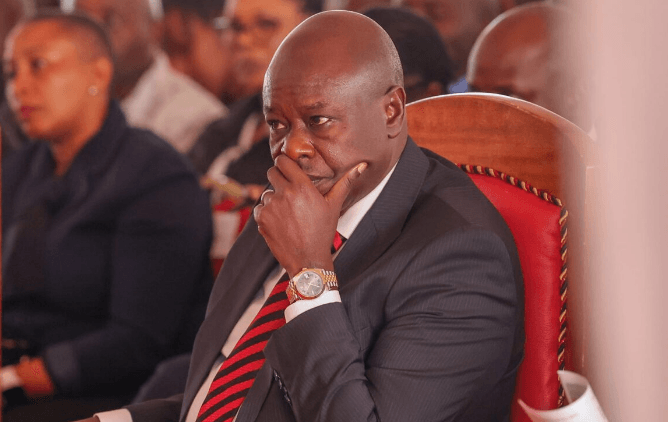
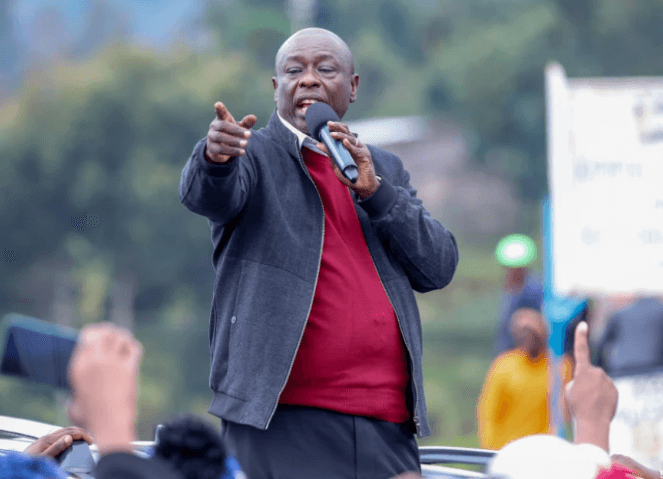
Rigathi Gachagua, leader of the Democracy for the Citizens Party (DCP), has raised alarm over escalating cases of violence at political gatherings, cautioning President William Ruto against what he termed as inaction.
Speaking during a political rally in Kajiado County on Sunday, Gachagua warned that continued incidents of political “goonism” could destabilize the country if not urgently addressed. He cautioned that unchecked violence could push the nation toward a dangerous path, urging the Head of State to take decisive action. Gachagua further claimed that senior security officials, including Interior Cabinet Secretary Kipchumba Murkomen, were not fully disclosing the extent of the problem to the President.
The former Deputy President argued that politically instigated violence, if left unresolved, could eventually spiral out of control. He referenced past international crises as cautionary examples, warning that early signs of unrest should not be ignored.
His remarks come a day after a chaotic rally in Kikuyu, where tensions escalated into confrontations involving law enforcement and sections of the public. Reports indicated the use of tear gas and gunfire, alongside disruptions on major roads such as the Southern Bypass, where barricades and burning tyres were set up.
The unrest followed earlier concerns raised by Gachagua in a letter to Inspector General of Police Douglas Kanja. In the correspondence, he alleged that there were organized plans to disrupt the rally through violence targeting businesses and provoking clashes with authorities.
However, the events have sparked a political standoff, with Kimani Ichung’wah placing blame on Gachagua. In a letter dated April 10, 2026, the legislator accused the DCP leader of fueling tensions through divisive rhetoric and alleged mobilization of criminal elements within the constituency.
The incident highlights growing political tensions in the country, with leaders trading accusations over the surge in violence witnessed at public events. The developments have raised concerns about public safety and the state of political discourse ahead of future engagements.
As political activities intensify across the country, calls are mounting for stronger security measures and responsible leadership to prevent further escalation. The unfolding situation underscores the need for dialogue and restraint to maintain stability.
