



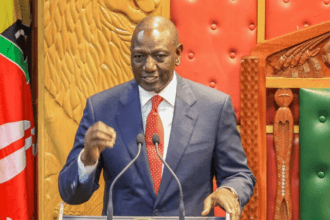




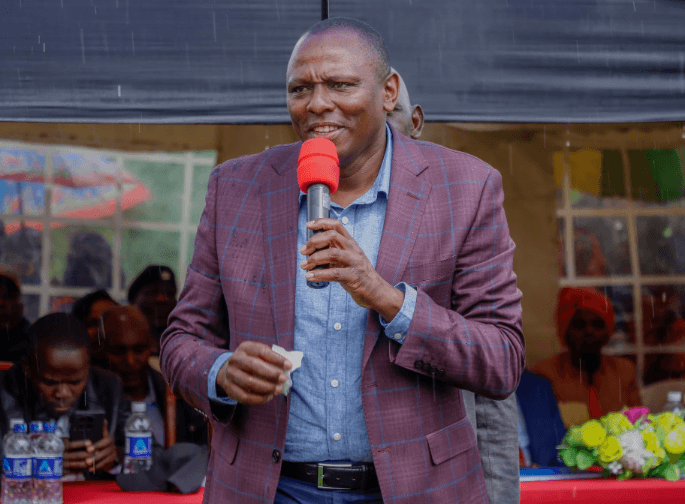
Kimani Ichung’wah has proposed a policy change that would stop schools from selling uniforms directly to parents, arguing that the current practice has contributed to the rising cost of education in Kenya. The National Assembly Majority Leader believes that allowing schools to control uniform sales has in some cases limited competition and forced parents to buy uniforms at higher prices than they would in the open market.
Reducing the Cost Burden on Parents
According to Ichung’wah, removing uniform sales from schools would give parents the freedom to purchase uniforms from any supplier, potentially lowering costs and easing the financial burden many families face at the beginning of every school term. Parents often complain that some institutions require uniforms to be purchased only from designated suppliers linked to the schools, making it difficult to find cheaper alternatives. The proposal seeks to introduce greater transparency and affordability in the system.
The proposal is expected to spark debate within the education sector and at the National Assembly of Kenya as lawmakers consider reforms aimed at reducing hidden costs in schools. Education stakeholders have repeatedly raised concerns about additional expenses beyond tuition fees, including uniforms, learning materials, and other school requirements that can strain household budgets.
While some parents and education advocates may welcome the idea, schools could raise concerns about maintaining uniform standards and ensuring students dress according to institutional guidelines. If implemented, the policy could significantly change how uniforms are purchased and distributed across schools in the country.
Ichung’wah’s proposal highlights the ongoing conversation about the cost of education in Kenya. By suggesting that uniform sales be separated from schools, the lawmaker aims to make school requirements more affordable and accessible for parents while encouraging fair competition among suppliers.
