




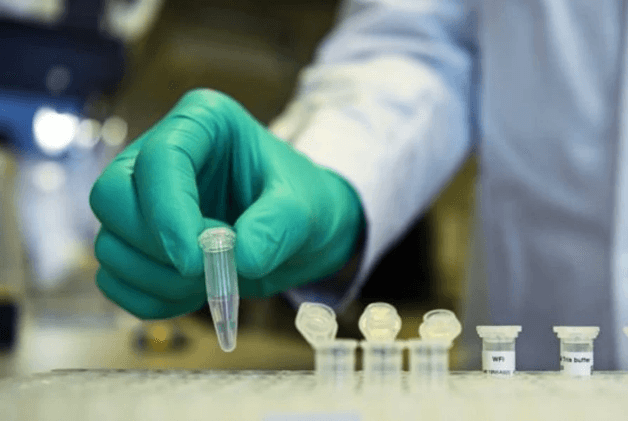
Kenya is inching closer toward producing its first locally manufactured immunisation vaccines, with the inaugural trial batch expected by the end of 2027. This follows the successful completion of the first phase of enabling works at the upcoming vaccine manufacturing facility in Embakasi.
According to Dr. Charles Githinji, Chair of the Kenya BioVax Institute Board, newborns will be the earliest beneficiaries once production begins, starting with pneumonia vaccines. He noted that the project is a strategic response to the challenges Kenya faced during the COVID-19 pandemic, when access to vaccines was uncertain. Speaking during a consultation forum with the World Bank, Dr. Githinji expressed confidence that the plant will meet its timelines.
We have a clear roadmap. By the end of 2027, we expect to unveil Kenya’s first batch of trial vaccines. This will be a groundbreaking milestone, as no private or public entity in Kenya has ventured into vaccine production before
Dr GithinjiMass Production Capacity
Dr. Wesley Rono, Chief Officer at the Kenya BioVax Institute, revealed that once fully operational, the facility will have the capacity to produce six million immunisation doses every month, totaling 72 million vaccines annually.
He emphasized that the initial focus will be on vaccines essential to Kenya’s routine immunisation schedule. Dr. Rono also noted that the institute is in discussions with potential partners to ensure the project progresses efficiently.
Backed by World Bank and Korean Government
The vaccine plant is being established under a partnership involving the World Bank and the Korean government, both of which are supporting Kenya’s ambition to strengthen local pharmaceutical manufacturing.
Ramesh Govindaraj, Lead Specialist for Health, Nutrition and Population at the World Bank, said the initiative supports the African Union’s Agenda 2063, which envisions Africa producing at least 60% of its pharmaceutical products by 2040.
He added that Kenya and Ethiopia are the first countries selected to drive this continental effort, which will eventually extend to 12 nations. The broader programme is backed by USD 1.5 billion for setting up vaccine and pharmaceutical manufacturing plants.
Kenya to Receive USD 120 Million
Dr. Benard Olayo, Senior Health Specialist at the World Bank, confirmed that Kenya is set to receive USD 120 million from the initiative. He termed the financing a significant boost that will bring the country closer to achieving self-sufficiency in vaccine production.
Kenya is among the initial beneficiaries of this programme, which already spans 11 countries
Dr Benard OlayoWith construction advancing and partnerships deepening, Kenya is positioning itself as a future hub for vaccine manufacturing in the region — a milestone expected to enhance national health security and reduce reliance on external suppliers.
