






Kenya is setting its sights on significant borrowing both locally and internationally as it seeks to bridge its budget deficit and sustain government operations. The latest figures indicate a continued reliance on debt, raising fresh concerns about the country’s fiscal health and long-term sustainability.
Borrowing Targets for the Fiscal Year
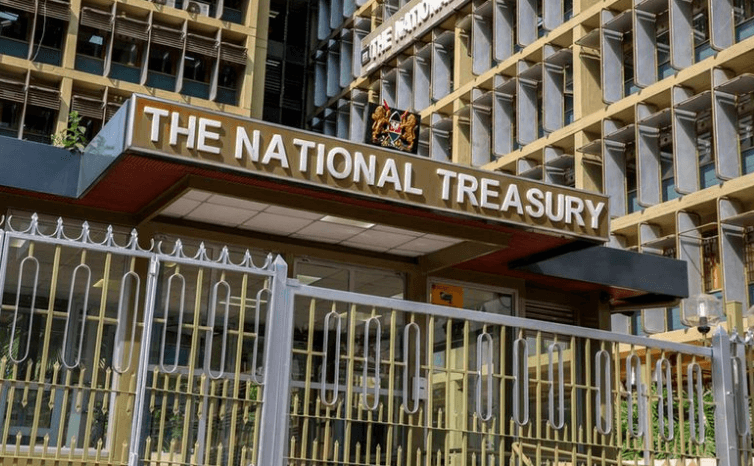
The government plans to raise Sh925 billion from domestic markets and an additional Sh229 billion from external lenders. According to Treasury officials, a substantial portion of this target has already been achieved, signaling an aggressive borrowing strategy within the current fiscal year. So far, Sh800 billion has already been secured, reflecting the government’s urgent need to finance key expenditures, including infrastructure development, public services, and debt servicing obligations.
Kenya’s debt levels continue to rise, with domestic debt currently standing at Sh7.1 trillion and external debt at Sh5.7 trillion. This growing debt portfolio highlights the increasing pressure on the government to balance development needs with fiscal discipline. Domestic borrowing remains the preferred option due to relatively lower risks compared to foreign loans. However, it can crowd out private sector investment by limiting access to credit. On the other hand, external borrowing exposes the country to exchange rate risks and global market fluctuations.
Concerns and Implications
Economists and financial analysts have raised concerns over the sustainability of Kenya’s borrowing trend. High debt levels could lead to increased debt servicing costs, which may consume a significant portion of government revenue. There are also fears that excessive borrowing could strain public finances, especially if economic growth does not keep pace. This could potentially lead to higher taxes or reduced government spending in critical sectors such as health, education, and social services.
Government’s Position
The government maintains that borrowing is necessary to support economic growth and fund essential projects. Officials argue that strategic investments financed through debt will yield long-term benefits and strengthen the country’s economic foundation.
As Kenya continues to pursue ambitious development goals, the balance between borrowing and fiscal responsibility remains crucial. While the current strategy may provide short-term relief, sustainable debt management will be key to ensuring long-term economic stability.
