






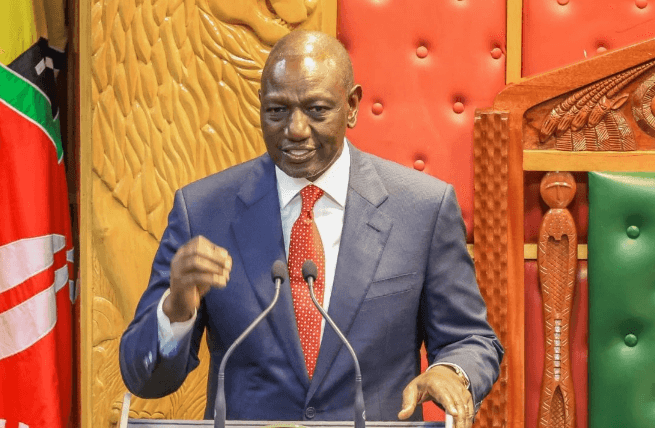
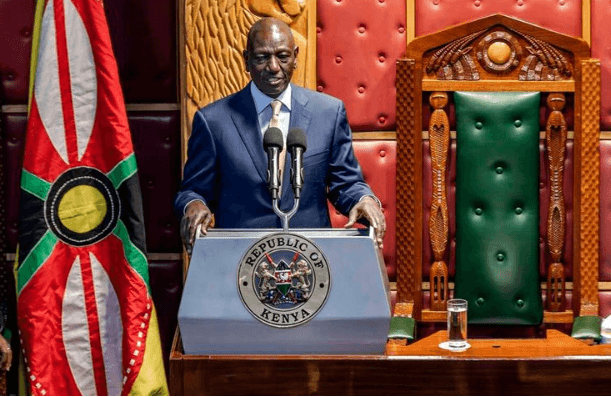
Kenya witnessed a historic moment on Thursday as President William Ruto delivered a landmark address to the Nairobi City County Assembly, the first time a sitting Head of State has spoken before a county assembly since the advent of devolution. The address, held at City Hall in Nairobi, marked a significant shift in how the national government engages with county leadership. Traditionally, presidential speeches have been reserved for Parliament, making this event both symbolic and unprecedented
A First in Kenya’s Devolution Era
Since the introduction of devolution under the 2010 Constitution, no president had formally addressed any of the 47 county assemblies. Ruto’s appearance before Members of the County Assembly (MCAs), therefore, set a new precedent in intergovernmental relations. The meeting followed an official invitation from the Nairobi Assembly leadership, signaling growing collaboration between the national and county governments.
Focus on Nairobi’s Transformation
During the address, President Ruto is reported to have outlined plans aimed at transforming Nairobi into a more efficient, secure, and well-managed city. The speech comes amid ongoing cooperation between the national government and Nairobi County, including major infrastructure and service delivery programmes. This partnership framework is expected to address long-standing urban challenges such as congestion, security, and service inefficiencies, with billions of shillings earmarked for city improvements
Strengthening National–County Relations
Ruto’s address underscored the importance of unity between the two levels of government. By engaging directly with MCAs, the President sought to reinforce collaboration in implementing development projects and policies that directly impact residents. Observers say the move could open the door for similar engagements across other counties, potentially redefining how national leadership interacts with devolved units.
While many leaders welcomed the address as a progressive step for devolution, others view it through a political lens, especially in light of ongoing debates around the national government’s involvement in Nairobi’s affairs. Nonetheless, the event has sparked nationwide discussion on governance, accountability, and the evolving role of county assemblies in Kenya’s political structure.
The success of this engagement may influence future governance models, particularly in urban management and intergovernmental cooperation. If replicated, such addresses could enhance coordination, reduce duplication of roles, and improve service delivery across counties. For Nairobi residents, attention now shifts to implementation, and whether the commitments made during the address will translate into tangible improvements in their daily lives.
