







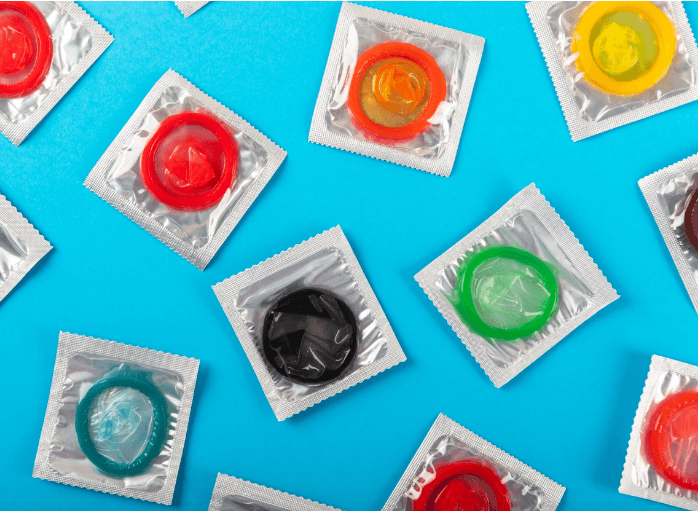
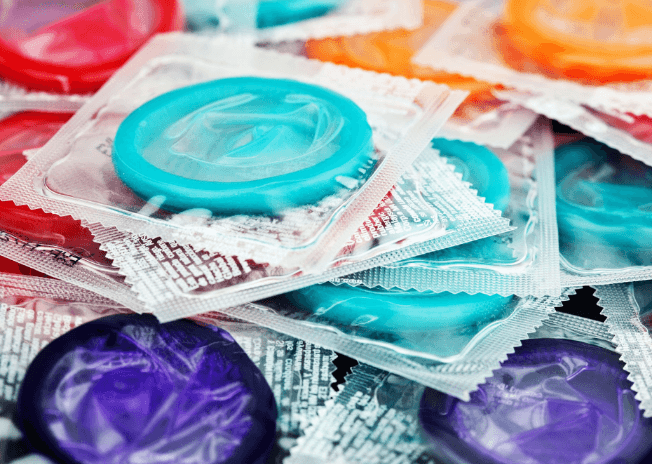
Marked every year on February 13, International Condom Day serves as a timely reminder that love and responsibility go hand in hand. Observed a day before Valentine’s Day, the global awareness event encourages people to prioritise their sexual health by promoting condom use as an effective way to prevent HIV, sexually transmitted infections (STIs), and unintended pregnancies. Positioned on the eve of Valentine’s Day, a time often associated with romance and intimacy, International Condom Day uses the moment to spotlight safer sex practices.
Public health organisations, community groups, and health advocates use the day to:
- Raise awareness about HIV and STI prevention
- Promote correct and consistent condom use
- Encourage open conversations about sexual health
- Reduce stigma around buying and carrying condoms
The message is simple: protecting yourself and your partner is an important part of caring for one another.
Condoms and HIV Prevention
Condoms remain one of the most accessible and effective tools in the fight against HIV. When used correctly and consistently, condoms significantly reduce the risk of HIV transmission by acting as a barrier that prevents the exchange of bodily fluids during sexual activity. In many parts of the world, especially regions heavily impacted by HIV, condom promotion campaigns continue to play a critical role in public health strategies.
Protection Against STIs
Beyond HIV, condoms help protect against a wide range of sexually transmitted infections, including:
- Gonorrhoea
- Chlamydia
- Syphilis
- Human papillomavirus (HPV)
- Hepatitis B
While not all STIs are prevented entirely by condoms, their use greatly lowers the risk of transmission.
Breaking the Stigma
One of the key goals of International Condom Day is to normalise conversations around condom use. Health advocates emphasise that buying or carrying condoms should not be viewed as shameful, but rather as a sign of responsibility and respect for one’s health and partner. Educational campaigns, free condom distribution drives, and youth outreach programmes are often organised to reinforce this message.
International Condom Day is more than just a date on the calendar; it is a public health reminder that romance should always be paired with responsibility. By encouraging safer sex practices, the day helps reduce HIV infections, curb the spread of STIs, and prevent unintended pregnancies, ultimately supporting healthier individuals and communities.
