







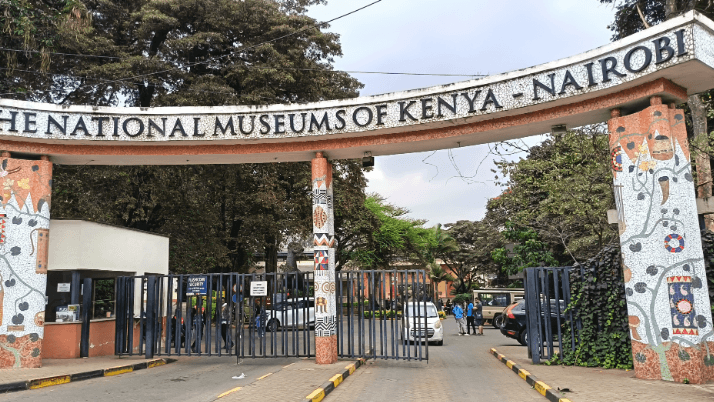
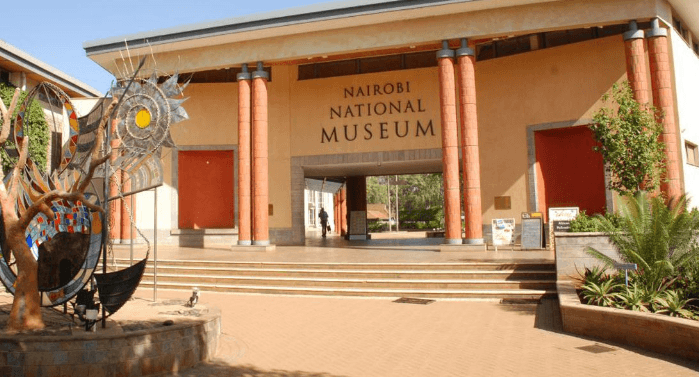
The government has announced a fresh increase in museum entry fees, introducing a revised pricing structure that is expected to affect both local and international visitors. The move, which takes immediate effect, is part of a broader effort to boost revenue collection and enhance the maintenance of cultural and historical sites across the country.
According to the updated rates released by the National Museums of Kenya, entry fees for various museums and heritage sites have been adjusted upward. The new pricing applies to adults, children, and student groups, with differentiated charges for citizens, residents, and non-residents. Officials say the revised fee schedule reflects the rising costs of preserving historical artifacts, improving visitor facilities, and expanding educational programs. While the increases vary depending on the site, visitors should expect to pay slightly more than before for access to popular attractions.
The government has defended the decision, citing the need to sustain operations and protect Kenya’s rich cultural heritage. Museums play a critical role in safeguarding history, promoting tourism, and educating future generations. By raising entry fees, authorities aim to generate additional funds that will go toward:
- Conservation and restoration of artifacts
- Modernization of exhibition spaces
- Enhanced security and visitor experience
- Expansion of outreach and educational initiatives
The announcement has drawn mixed reactions from the public. Some stakeholders in the tourism sector have expressed concern that higher fees could discourage local visitors, particularly students and families. However, others argue that the increase is necessary to ensure the long-term sustainability of these institutions. Tour operators are now urging the government to strike a balance between affordability and quality, emphasizing the importance of keeping museums accessible to all Kenyans.
Museums remain a key component of Kenya’s tourism offering, complementing wildlife safaris and coastal attractions. With the new rates in place, industry players will be closely monitoring visitor trends to assess whether the changes have any significant impact on foot traffic. There are also calls for the government to reinvest the additional revenue into marketing campaigns and infrastructure improvements to attract more visitors.
The hike in museum entry fees marks a significant shift in how cultural institutions are funded in Kenya. While the move may place a slight financial burden on visitors, it also presents an opportunity to improve and preserve the country’s heritage sites for future generations. As the new rates take effect, all eyes will be on how the changes influence visitor numbers and the overall museum experience.
