







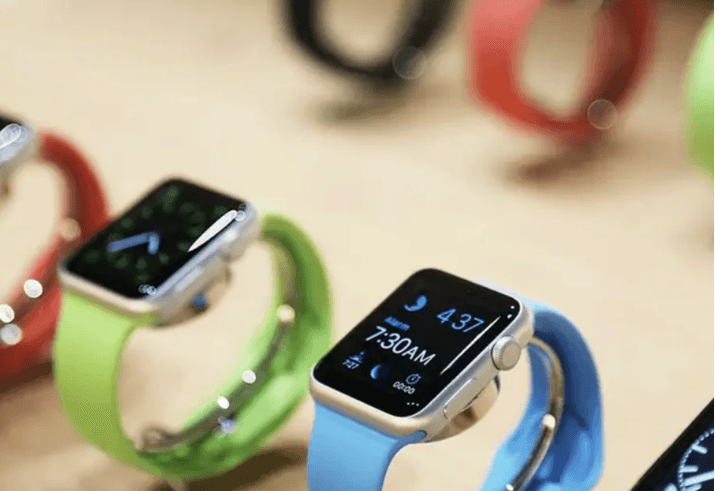
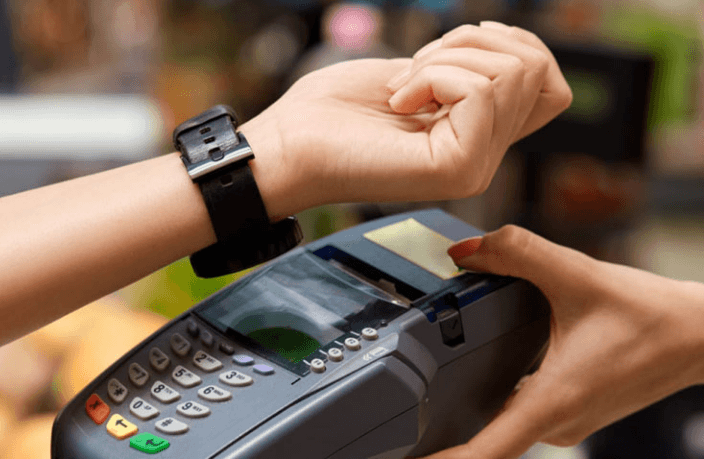
Kenyan banks are stepping into the future of digital finance by introducing wearable payment solutions, allowing customers to pay using rings, watches, and wristbands. This shift marks a significant move toward more convenient and contactless transactions in the country’s rapidly evolving financial sector.
With the rise of cashless transactions, banks are now leveraging wearable technology to simplify everyday payments. Instead of relying solely on cards or mobile phones, customers can now make purchases with a simple tap of a wearable device at supported payment terminals. These devices are embedded with secure payment chips, enabling users to complete transactions quickly and safely. The innovation is expected to reduce queues, enhance convenience, and improve the overall customer experience.
Wearable payment devices function similarly to contactless debit or credit cards. Once linked to a bank account, users can make payments by tapping their ring, watch, or wristband on a compatible point-of-sale machine. Security remains a key priority, with banks incorporating encryption and tokenization technologies to protect user data and prevent fraud.
The adoption of wearable payments reflects Kenya’s position as a leader in financial innovation, building on the success of mobile money platforms like M-Pesa. By expanding payment options, banks are catering to a tech-savvy population that values speed and convenience.
Benefits for Customers
Wearable payments come with several advantages:
- Convenience: No need to carry cash, cards, or even a phone
- Speed: Faster checkout times with tap-and-go functionality
- Security: Reduced risk of theft or loss compared to traditional wallets
- Durability: Devices like rings and wristbands are less likely to be misplaced
Despite the benefits, widespread adoption may take time. Factors such as device cost, public awareness, and availability of compatible payment terminals could influence how quickly the technology gains traction. However, industry experts believe that as more banks and merchants embrace the trend, wearable payments will become increasingly common across the country.
As Kenyan banks continue to innovate, wearable technology is likely to play a bigger role in shaping the future of payments. The move signals a broader shift toward frictionless, digital-first banking solutions designed to meet the needs of modern consumers.
The introduction of wearable payment options highlights the ongoing transformation within Kenya’s banking sector. By adopting rings, watches, and wristbands for transactions, banks are not only enhancing convenience but also paving the way for a smarter, more connected financial ecosystem.
