








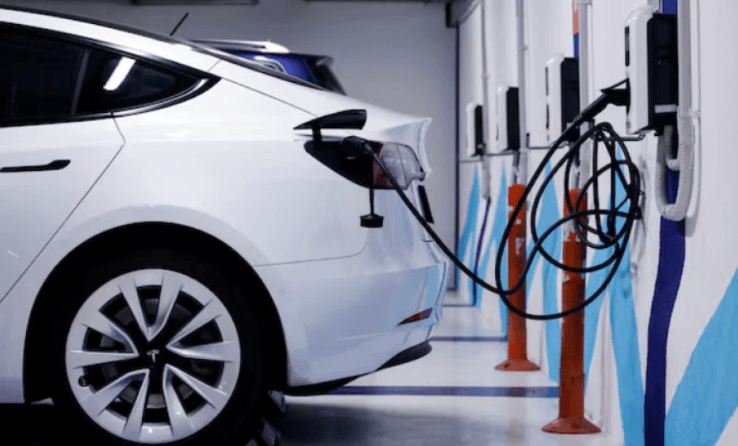
The government has announced a major policy shift aimed at accelerating the adoption of clean energy by waiving import duty on the first 100,000 electric vehicles (EVs) brought into the country. The move is expected to significantly lower the cost of acquiring electric cars and encourage more Kenyans to transition from fuel-powered vehicles. This incentive is part of a broader strategy to promote sustainable transport and reduce carbon emissions. With rising concerns over climate change and air pollution, electric vehicles are increasingly seen as a viable alternative to traditional internal combustion engines.
By removing import duty, the government hopes to make EVs more affordable for both individual buyers and businesses. Industry players believe the tax relief could stimulate investment in the electric mobility sector, including charging infrastructure and maintenance services. The policy is also likely to attract global manufacturers and local assemblers interested in tapping into the growing demand for electric vehicles in Kenya. Experts say this could create new job opportunities and boost innovation within the automotive industry.
However, stakeholders note that for the initiative to succeed, it must be supported by the expansion of charging networks and public awareness campaigns to educate consumers on the benefits of electric mobility. As the country takes steps toward a greener future, the duty waiver marks a significant milestone in reshaping Kenya’s transport landscape and reducing reliance on fossil fuels.
