




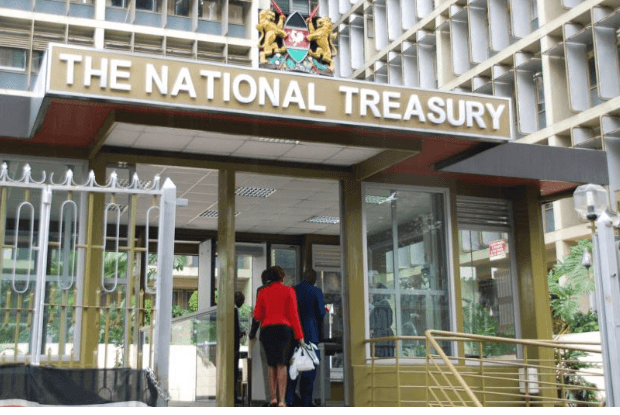
The government spent over Ksh.200 billion in unplanned expenditure during the first nine months of the 2025/2026 financial year ending March 2026, according to the Office of the Controller of Budget. A significant portion of this spending went towards servicing public debt, raising concerns over the growing reliance on emergency provisions under Article 223 of the Constitution. The law allows the government to access funds for unforeseen expenses, but the current financial year has seen an unprecedented surge in such withdrawals.
The National Treasury requested Ksh. 276 billion under Article 223, with the Controller of Budget approving Ksh. 206 billion, a sharp 490 percent increase compared to a similar period in the previous financial year. Of the approved amount, Ksh. 185.3 billion was used for recurrent expenditure, while Ksh.19.5 billion was allocated to development programmes. Notably, Ksh. 144 billion was directed towards debt repayment, marking one of the largest uses of the provision, which is traditionally reserved for emergencies.
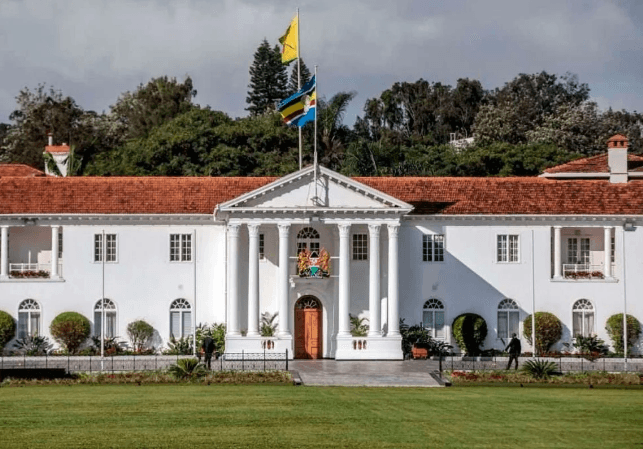
State House Kenya also recorded substantial off-budget spending, using Ksh.4.45 billion beyond its approved allocation. By December 2025, it had already spent over 90 percent of its annual budget of Ksh.8.5 billion. By March 2026, total expenditure had risen to Ksh.12.07 billion, representing 140 percent of its allocation. Within a six-week period between January and February 2026, State House withdrew approximately Ksh.2.5 billion through multiple approvals. The expenditures were largely categorised under “other expenses,” a broad classification used across government departments.
During this period, State House hosted several events, including Nyota empowerment programme meetings held in various parts of the country. Other government departments also recorded significant off-budget spending. The State Department for Internal Security and National Administration spent Ksh.6.1 billion, while the Special Programmes Department used Ksh.5.6 billion, mainly on drought response interventions between late 2025 and early 2026.
The sports department spent Ksh.3.9 billion on development activities outside the approved budget, while the Teachers Service Commission received Ksh.7 billion through supplementary withdrawals. Meanwhile, Kenya’s public debt has climbed to Ksh.12.8 trillion, reflecting continued borrowing amid rising expenditure on loan interest payments.
