






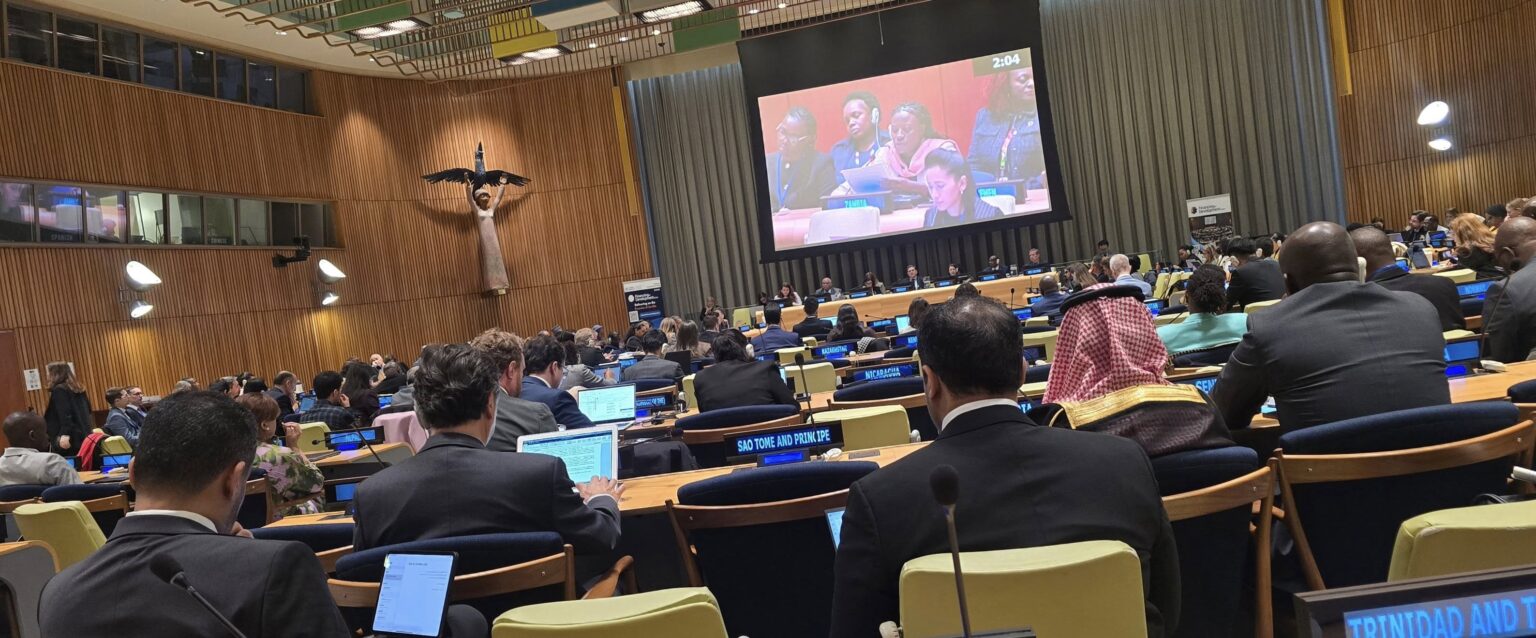

Kenya may soon require multinational companies operating in the country to disclose more details about their profits for tax purposes. This follows ongoing global negotiations in New York that aim to reform how international taxation works.
The discussions are part of the proposed United Nations Framework Convention on International Tax Cooperation, which seeks to give countries, especially developing nations, a stronger voice in taxing multinational corporations. A key proposal is to shift taxing rights to where economic activity happens and where consumers are located, rather than where companies choose to report their profits.
Impact on Kenya
If adopted, the framework could significantly strengthen Kenya’s ability to tax large global firms. The country has already taken steps to capture revenue from the digital economy through measures such as:
- Significant Economic Presence (SEP) Tax
- Value Added Tax (VAT) on digital services
These rules target foreign companies providing services to Kenyan users, including major tech firms and cloud service providers.
Speaking ahead of the fifth round of negotiations, Tax Justice Network Africa Executive Director Chenai Mukumba emphasized that the talks go beyond taxation. She noted that for Kenya and other African nations, the reforms represent a move toward true economic independence by ensuring countries receive a fair share of revenue generated within their borders.
Transparency Measures Proposed
One of the key proposals under discussion would require multinational companies to publicly report their financial data on a country-by-country basis. This would include:
- Revenue earned
- Profits declared
- Taxes paid
- Number of employees
- Assets held
Supporters argue that such transparency would help authorities identify profit shifting and enforce fair taxation.
Debate on Investment Incentives
The proposals are also expected to spark renewed scrutiny of Kenya’s investment incentives, including tax holidays offered in:
- Special Economic Zones (SEZs)
- Export Processing Zones (EPZs)
- Konza Technopolis
- Strategic sectors like manufacturing and data centres
Experts suggest that these incentives should only be maintained if they deliver clear public benefits such as job creation, technology transfer, and increased local investment.
According to Mukumba, the current global tax system was developed at a time when African countries had limited influence. As a result, many nations struggle to tax wealth generated from their resources, labour, and markets. The proposed UN framework aims to correct this imbalance by ensuring that countries where value is created receive a fairer portion of tax revenues.
The negotiations, which began in 2025, are expected to continue until 2027. Governments are closely monitoring the outcome as they look for ways to increase domestic revenue without placing additional tax burdens on citizens and small businesses.
