







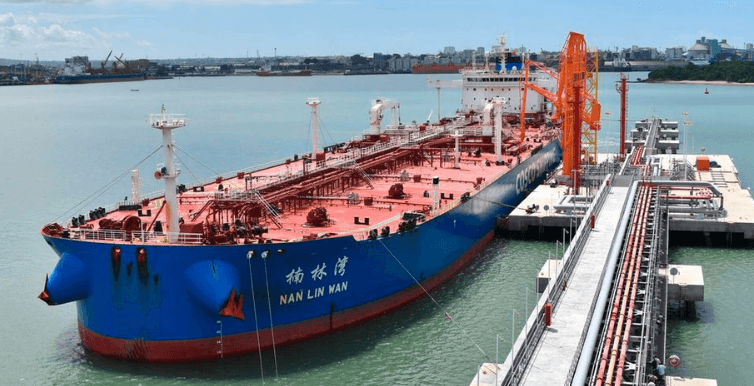
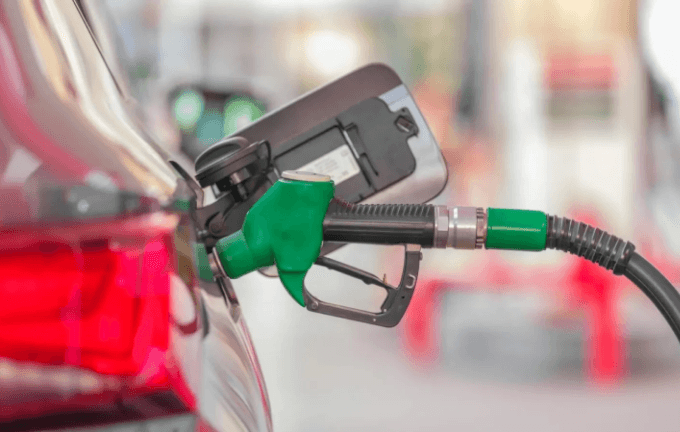
Kenya has recorded consistent growth in petroleum imports over the past four years, highlighting increasing energy demand both locally and across the East African region. According to data from the Energy and Petroleum Regulatory Authority (EPRA), imports of key petroleum products—including diesel, petrol and dual-purpose kerosene—have steadily risen year on year. Volumes increased from 8.78 billion litres in 2022 to 9.09 billion litres in 2023, before climbing further to 9.53 billion litres in 2024. In 2025, imports surpassed the 10-billion-litre mark, reaching 10.41 billion litres.
The upward trend reinforces Kenya’s position as a critical fuel distribution hub in the region. In addition to meeting domestic demand, the country plays a central role in supplying petroleum products to neighbouring states that depend on the Port of Mombasa and Kenya’s transport infrastructure for imports. Rising economic activity, a growing number of vehicles on the roads and expanding industrial operations have continued to fuel demand for petroleum products. At the same time, transit volumes have increased as regional economies recover and cross-border trade gains momentum.
The steady growth in imports underscores the need for efficient fuel supply systems, adequate storage capacity and stable energy policies to support both Kenya’s economy and the broader East African market.

That’s a significant increase, it really does reflect the growing need for energy in the region.