







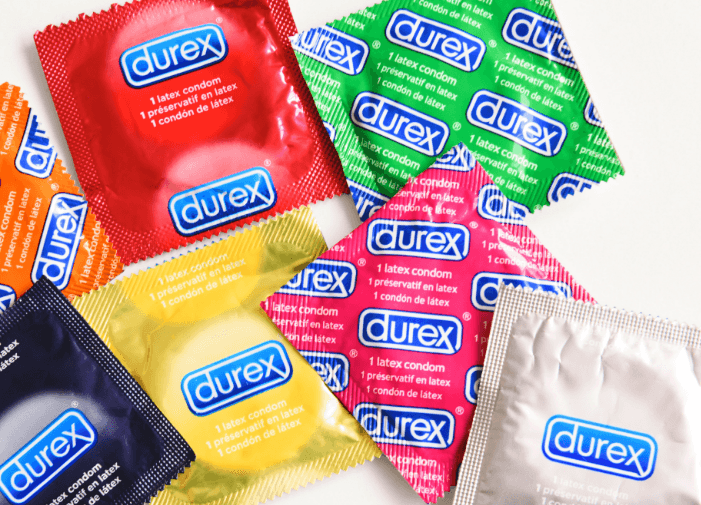

A looming increase in condom prices is expected worldwide, with industry experts warning that costs could surge by as much as 30% due to disruptions caused by the ongoing Iran war. The anticipated price hike has been linked to major supply chain challenges affecting the production and distribution of condoms. The conflict has disrupted key global shipping routes and driven up the cost of raw materials, particularly those derived from oil.
The Strait of Hormuz, a critical global shipping corridor, has been significantly affected by the conflict, slowing down transportation and increasing freight costs. This has made it more expensive for manufacturers to source materials and deliver finished products to global markets.
Manufacturers say the cost of essential materials such as synthetic rubber, lubricants, and packaging has increased sharply. These materials are heavily dependent on petrochemicals, which have become more expensive due to instability in global energy markets. As a result, producers are being forced to pass these additional costs on to consumers, leading to the expected price increases.
At the same time, global demand for condoms has reportedly increased, further straining supply. Industry leaders note that economic uncertainty often leads to higher demand for contraceptives, as more people delay starting families. This combination of rising demand and limited supply is creating additional pressure on prices.
The effects of the Iran war are being felt across multiple industries, with condoms joining a growing list of everyday products impacted by supply chain disruptions and rising costs. Economists warn that continued instability in the region could lead to broader inflation, affecting essential goods worldwide.
If the situation persists, consumers may soon face higher prices for condoms in retail outlets and pharmacies. Public health programs that rely on large-scale condom distribution could also feel the strain, especially in developing regions where access is already limited.
While manufacturers are working to stabilize supply and manage costs, much will depend on how long the conflict continues and whether global shipping routes can return to normal. For now, the industry remains cautious, warning that further price increases cannot be ruled out if disruptions persist.

That’s a really concerning situation. It’s unsettling to think about the impact this will have on access to essential health products.