







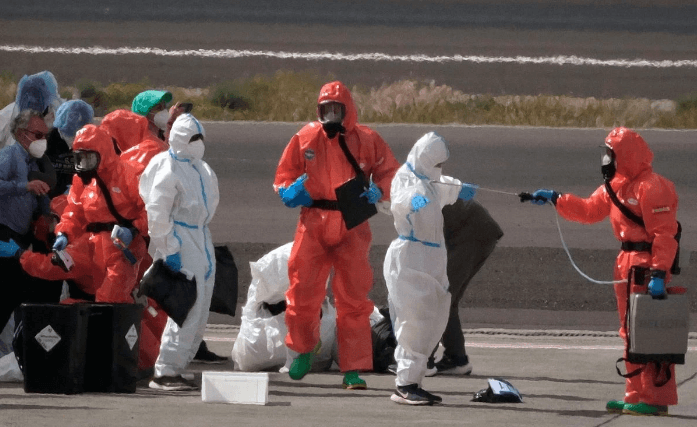
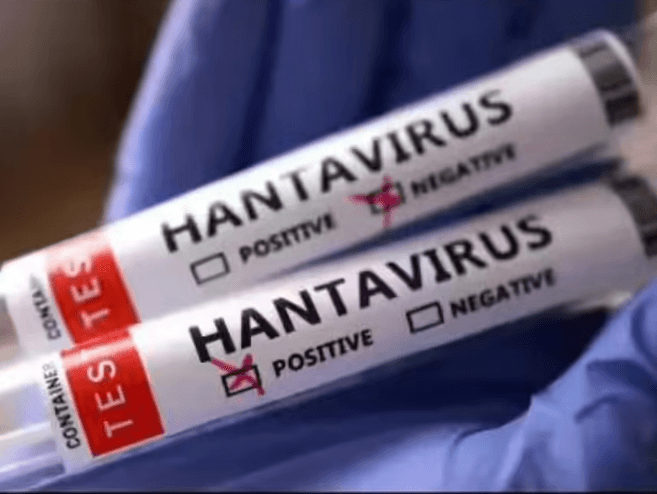
A recent hantavirus outbreak aboard a cruise ship has sparked चिंता and drawn comparisons to the early days of the Covid-19 pandemic. However, health experts are urging calm, emphasizing that the two viruses differ significantly in how they spread, their impact, and their potential to cause a global crisis.
Is Hantavirus New?
Unlike Covid-19, which emerged in late 2019 as a completely new virus, hantavirus has been known to scientists for decades. It was first identified during the Korean War in the early 1950s and has since been monitored in various parts of the world, particularly in regions where it is naturally present. While Covid-19 rapidly spread across the globe and caused widespread disruption, hantavirus cases tend to occur sporadically and are usually confined to specific geographic areas.
How It Spreads and Its Symptoms
Hantavirus is primarily transmitted to humans through contact with infected rodents, especially via their saliva, urine, or droppings. People can become infected by inhaling contaminated dust particles. The strain linked to the recent cruise ship outbreak — known as the Andes variant — is unique because it can, in rare cases, spread from person to person. However, such transmission is uncommon and typically requires close and prolonged contact under specific conditions.
Symptoms of hantavirus can take between one and six weeks to appear and may include severe respiratory issues, heart complications, and in some cases, hemorrhagic fever. In contrast, Covid-19 spreads easily through respiratory droplets and typically presents with symptoms such as fever, fatigue, body aches, and breathing difficulties.
Scientists believe hantavirus is less likely to trigger a global pandemic compared to Covid-19. One key reason is its relatively high fatality rate, which limits its ability to spread widely.
Because the virus can lead to severe illness quickly, infected individuals are often identified and isolated early, breaking the chain of transmission. This rapid progression reduces the chances of widespread outbreaks.
Covid-19, on the other hand, was able to spread silently and infect large numbers of people before severe symptoms and deaths became apparent.
Treatment and Vaccine Status
Currently, there are no specific antiviral treatments or widely approved vaccines for hantavirus. Medical care focuses on managing symptoms and supporting vital functions, particularly breathing and kidney function in severe cases. Early medical intervention is critical and can significantly improve survival chances. In some cases, patients may require ventilators or dialysis.
Although research into hantavirus vaccines is ongoing, none have yet proven effective across all strains. By contrast, the global response to COVID-19 saw the rapid development and distribution of vaccines and treatments, which played a major role in controlling the pandemic.
While the hantavirus outbreak has understandably raised alarms, experts maintain that it does not pose the same global threat as Covid-19. Its limited transmission, known history, and rapid progression make it far less likely to escalate into a pandemic. Public health officials continue to monitor the situation closely while encouraging awareness and preventive measures, particularly in environments where rodent exposure is possible.
