






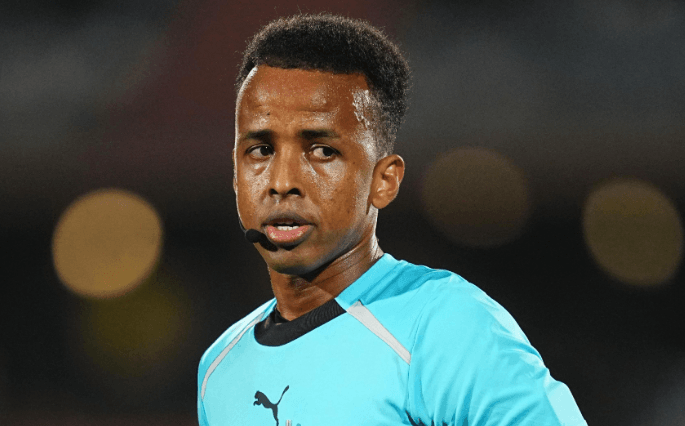
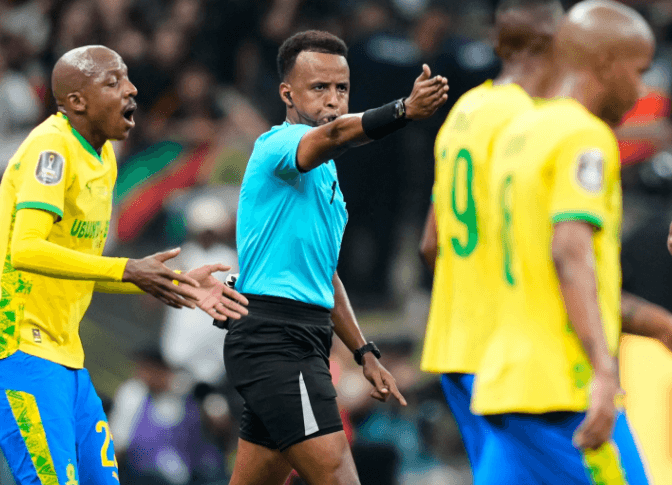
A Somali football referee, Omar Artan, has reportedly been denied entry into the United States, preventing him from officiating at an upcoming FIFA World Cup assignment. Artan, who has been steadily rising in international refereeing ranks, was expected to be part of the officiating team for the global tournament. However, his plans were disrupted after U.S. immigration authorities declined his entry, raising questions over visa processing and travel clearance for match officials.
The incident has sparked concern within football circles, particularly among African football stakeholders, who argue that such situations could undermine the inclusivity and fairness expected at global sporting events. While specific details surrounding the denial have not been fully disclosed, reports indicate that administrative or travel documentation issues may have contributed to the decision. Neither U.S. authorities nor global football governing bodies have issued a comprehensive statement clarifying the circumstances.
The development has also drawn attention to the challenges faced by match officials from certain regions when traveling for international assignments, especially to countries with stringent immigration policies. Football analysts note that referees play a crucial role in maintaining the integrity of the game, and any barriers preventing their participation could have broader implications for tournament organization and representation.
Aratn’s absence is seen as a significant setback, not only for him personally but also for Somali football, which has been striving to gain more visibility on the global stage. There are now calls for relevant authorities, including FIFA and national football federations, to intervene and ensure that accredited officials are granted the necessary support and clearance to fulfill their duties at international competitions.
As preparations for the World Cup continue, the situation highlights the intersection between sports and international travel regulations, and the need for clearer frameworks to avoid similar disruptions in the future.

That’s really disheartening news for Omar. It’s frustrating to see potential rising stars face these kinds of obstacles when it comes to international competitions.