







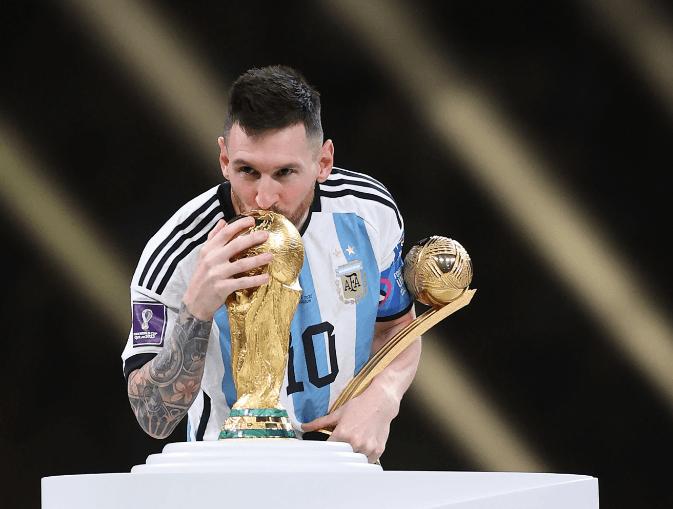
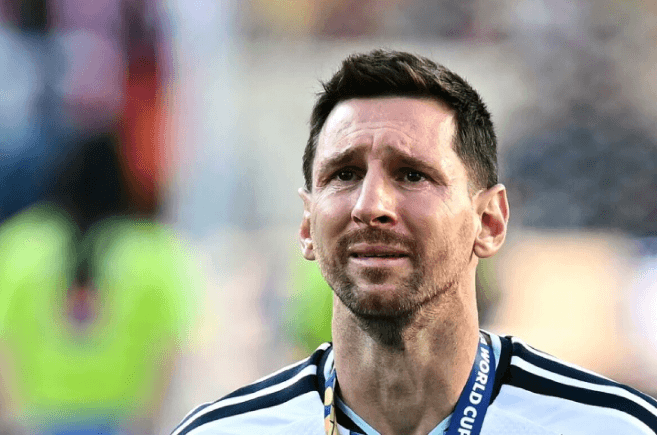
Lionel Messi saw his hopes of cementing his legacy with another World Cup title slip away after Argentina’s 1-0 defeat to Spain in the 2026 final. At 39, Messi delivered an impressive tournament, scoring eight goals and providing key assists, including a crucial role in Argentina’s dramatic semi-final comeback against England. However, the final proved a step too far for the defending champions.
Argentina struggled to find rhythm throughout the match at MetLife Stadium, especially after being reduced to 10 men following Enzo Fernández’s late red card. Spain eventually broke the deadlock in extra time, with Ferran Torres scoring the decisive goal. Messi had limited influence on the game, registering few touches and failing to create a decisive moment. As the final whistle blew, the Argentine captain was visibly emotional, reflecting the weight of a missed opportunity.
Despite the disappointment, Messi’s achievements remain extraordinary. He reached his third World Cup final, equaling Brazil legend Cafu, and added to a career that already includes a World Cup triumph in 2022. Comparisons were once again drawn with Diego Maradona, who also led Argentina to glory before falling short in a subsequent final. Like Maradona, Messi experienced both the highs of lifting the trophy and the pain of defeat on the biggest stage.
Messi’s international journey has been marked by resilience. From early heartbreaks, including the 2014 World Cup final loss and Copa America disappointments, to a brief retirement in 2016, he returned stronger to guide Argentina to multiple titles, including Copa America victories and the 2022 World Cup. The 2026 tournament initially felt like a celebratory run, with Messi delivering standout performances and surpassing 200 international caps. He also extended his record appearances at the World Cup, featuring in six editions.
While this defeat denied Argentina a chance to defend their title, something last achieved by Brazil in 1962, questions now arise about Messi’s future. By the next World Cup in 2030, he would be in his 40s, making this likely his final appearance on football’s biggest stage. However, with his club career still ongoing, there may be calls for him to continue representing Argentina a little longer.
Sunday’s result may have ended in disappointment, but it does little to diminish Messi’s legacy. His influence on the game, both at club and international level, remains unmatched. For Argentina and their captain, this was simply one challenge too many, but it does not overshadow a career defined by greatness.
