







The Interior Ministry has raised concerns over the growing use of mobile money platforms in online fraud, with the payment method featuring in the highest number of computer fraud cases reported during the first half of 2026.
Mobile Money Fraud Tops Reports
According to the ministry, 102 computer fraud cases were reviewed between February and July 2026, with mobile money identified as the payment method in 51 of the cases. Mobile money-related fraud accounted for 19 cases, representing 18.6 per cent of the total. Investment and foreign exchange schemes followed with 16 cases, while cryptocurrency-related schemes accounted for 12 cases. The ministry also noted that 23 cases had clear links to telecommunications services or SIM-related activities.
Fraud Cases Rise
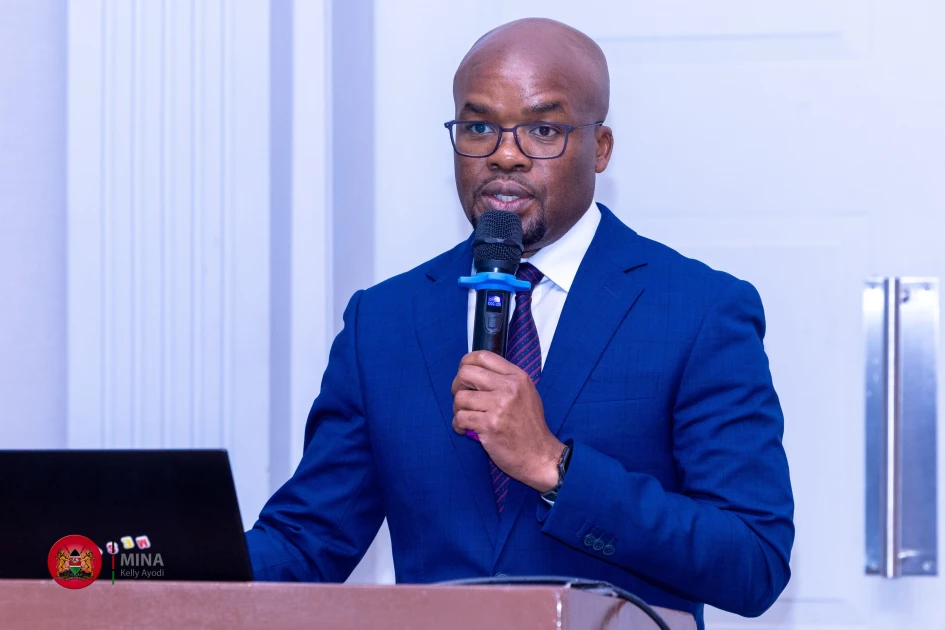
The figures were presented during the 36th meeting of the National Computer and Cybercrimes Coordination Committee (NC4), chaired by Interior Principal Secretary Raymond Omollo. The ministry reported an increase in fraud cases from May, with 70 cases recorded through July, including 27 cases reported in July.
Authorities Step Up Response
To address the growing threat, the committee agreed to strengthen monitoring of high-risk mobile money transactions and improve the speed at which digital evidence is preserved. The committee also proposed closer coordination with telecommunications companies to ensure suspicious transactions and activities are escalated and investigated more quickly. Other measures include improving intelligence gathering on investment, forex and cryptocurrency scams, taking faster action against fraudulent websites and impersonation accounts, and maintaining consistent systems for recording and classifying fraud cases.
Public Warned Against Online Fraud
The Interior Ministry warned fraudsters that reported cases will continue to be investigated and dealt with in accordance with the law. Members of the public have also been urged to protect their personal and financial information by avoiding disclosure of PINs, passwords, one-time passwords (OTPs) and other security credentials. The ministry further encouraged users to activate multifactor authentication where available and report suspicious phone numbers, accounts, websites and transactions to service providers, regulators and law enforcement agencies.
