



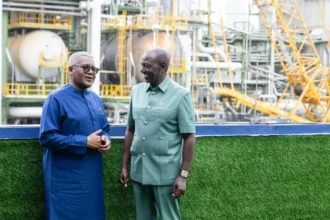

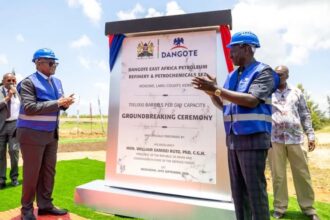


People’s Party of Kenya (PPK) leader Ndindi Nyoro has called for greater transparency over the ownership and financing arrangements of the Dangote East Africa Refinery project in Lamu. Nyoro is demanding that the government make public the names of all shareholders in the company behind the proposed refinery, arguing that Kenyans should have access to information about a major project involving public resources.
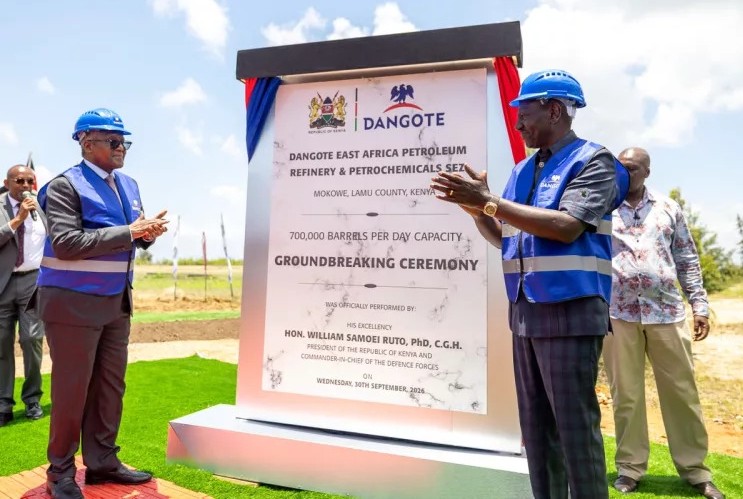
The refinery, which is being developed by Nigerian businessman Aliko Dangote, is designed to process about 700,000 barrels of crude oil per day. Construction was officially launched in Lamu on September 30, 2026.
Nyoro Questions Refinery Ownership
Nyoro has questioned the proposed ownership structure of the refinery and called for disclosure of the percentage of shares held by the government, private investors and any other participating entities. He argued that the public should be able to establish who owns the Kenyan company behind the project and understand how the different shares will be distributed.
The PPK leader has also raised allegations concerning possible links between some investors and individuals in government. These claims have not been substantiated by evidence in the remarks reported. Nyoro said releasing the shareholder register would allow Kenyans to scrutinise the arrangement and establish how the country’s interests are represented.
Government Plans 10 Per Cent Stake
The government has announced plans to acquire a 10 per cent equity position in the refinery. National Treasury Cabinet Secretary John Mbadi has said Kenya could increase its stake if other East African governments do not take up their allocated shares. President William Ruto has previously said Kenya intends to use public assets and the National Infrastructure Fund to finance its participation in the project.
The government has presented the refinery as a major industrial investment that could strengthen fuel security and support economic activity in the region. The proposed refinery has also attracted regional participation, with East African governments being offered a combined stake of up to 30 per cent.
Questions Over Financing
Nyoro has also sought clarification on how Kenya will finance its proposed equity contribution and what specific assets will be used as part of the investment. He has questioned the status of the National Infrastructure Fund and the government’s broader plans to mobilise resources for the project.
The National Infrastructure Fund is part of the government’s planned financing framework for major infrastructure investments. Government documents say the fund is intended to mobilise capital for infrastructure development under established governance and accountability arrangements.
Land and Compensation Issues Raised
The PPK leader has further called for disclosure of agreements concerning the land allocated for the refinery. Nyoro has questioned the amount of land involved, how it was acquired and compensated, and whether the value of the land will form part of Kenya’s contribution to the project.
He has also demanded details of any agreements between the government and the refinery concerning the purchase of petroleum products, including the terms and prices involved. The land component has become an important issue surrounding the project, with residents having raised concerns over land rights and compensation. A court case over the land has also been reported, although the refinery’s groundbreaking proceeded.
Calls for Greater Public Disclosure
Nyoro’s demands come as attention focuses on the financial, ownership and land arrangements surrounding one of Kenya’s largest proposed industrial investments. The refinery is expected to serve markets across East Africa, with the project designed to produce petroleum products for Kenya and neighbouring countries.
As implementation progresses, questions about the project’s shareholders, Kenya’s equity contribution, land arrangements and other contractual commitments are likely to remain part of the public debate.
