





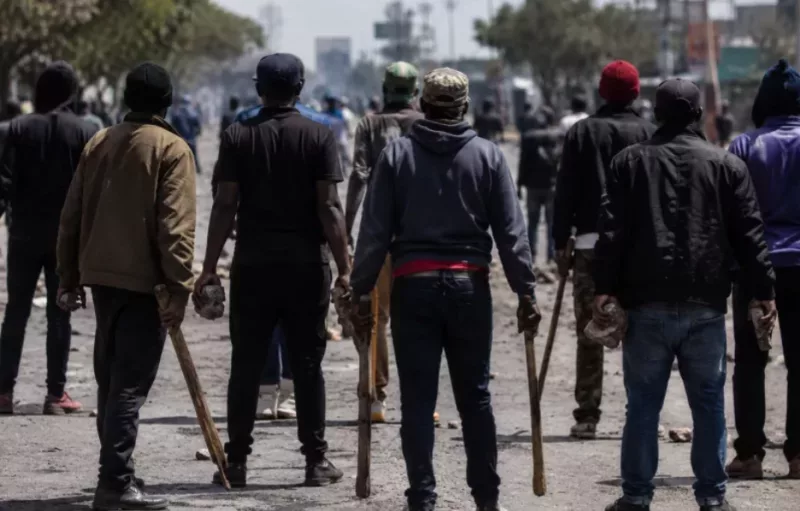
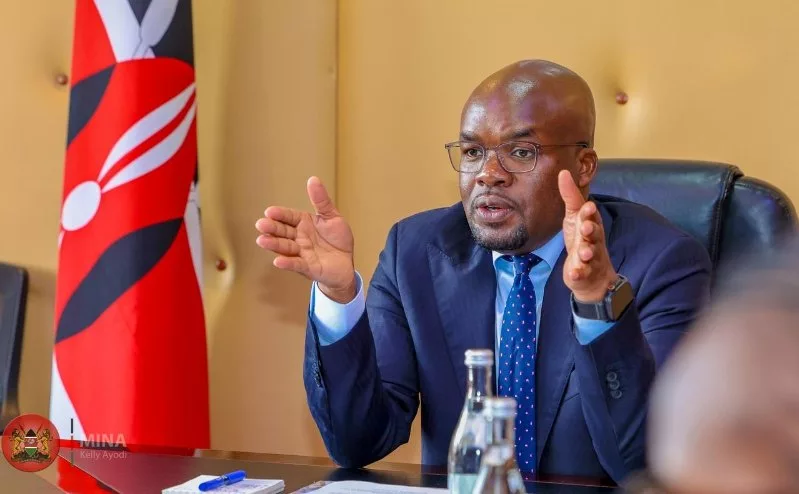
The Government has identified 109 organised criminal gangs and groups operating in different parts of Kenya as security agencies step up efforts to prevent violence, intimidation and other criminal activities ahead of the 2027 General Election. Principal Secretary for Internal Security and National Administration Raymond Omollo said the number has risen from the 89 groups that were declared illegal through Gazette Notice No. 10427 of 2016.
According to Omollo, Western Kenya has the highest number of identified groups at 38, followed by the Rift Valley with 22 and Nairobi with 20. Other regions include Nyanza with 12 groups, Coast with 11, Eastern with three, North Eastern with two and Central with one.
Government Raises Concern Over Political Use of Gangs
Omollo described the growing number of organised criminal groups as a major security concern, particularly amid reports that some youth groups are being mobilised for political intimidation, attacks and harassment. He stressed that criminal groups should not be used to advance political interests during the electoral process.
Between January 1 and August 31, 2026, security agencies arrested and presented 1,827 suspects in court over offences associated with goonism and organised criminal activity. Trans Nzoia County recorded the highest number of arrests, with 491 cases.
During the same period, courts secured 729 convictions, with the Rift Valley accounting for 36.5 per cent of the total convictions. A further 716 cases remain pending before the courts. Omollo said the figures demonstrate that the Government’s response is not limited to making arrests, but also involves investigations, prosecution and securing convictions.
Security Agencies to Monitor Political Activities
With the 2027 General Election approaching, Omollo said security agencies would continue monitoring attempts to mobilise criminal gangs and organised youth groups for violence, intimidation or disruption. He said security officers would maintain an appropriate presence during political activities and take lawful action against criminal conduct irrespective of the individuals involved. The PS also warned that individuals who recruit, finance or direct criminal groups would be held accountable alongside those who participate directly in acts of violence.
Focus Shifts to Gang Networks
Security agencies have expanded their approach from targeting individual offenders to investigating the wider networks that enable organised criminal activity. Through intelligence-led policing, investigators are working to identify gang leaders, recruiters and financiers, while connecting different cases and establishing links between separate criminal incidents.
Where sufficient evidence exists, financial investigations are also being conducted to trace money and assets linked to activities such as extortion, robbery, illegal businesses and other organised crimes. Omollo said the fight against organised criminality has been complicated by the decentralised nature of some gangs and the spread of small arms and light weapons, particularly in vulnerable border areas. The Government is consequently strengthening cooperation between security agencies, communities and neighbouring countries where criminal activities extend beyond Kenya’s borders.
Police Commanders Ordered to Take Action
The Inspector-General of Police has directed Regional Police Commanders to take firm, decisive and lawful action against organised criminal groups and violence within their respective areas. Police officers who are found, through due process, to have assisted criminal activities or failed to respond appropriately will be subject to administrative or disciplinary measures.
However, Omollo acknowledged that enforcement measures alone cannot permanently eliminate organised criminality. He said the Government would also invest in prevention, rehabilitation and reintegration, particularly for young people who become involved in criminal groups.
Government to Support Youth Rehabilitation
The Government plans to work with the Probation and Aftercare Service, Kenya Prisons Service, county governments, faith-based organisations and community leaders to help individuals leaving criminal groups rebuild their lives and reintegrate into society. Omollo also encouraged young people to take advantage of Government programmes aimed at supporting employment, entrepreneurship and access to financing.
Among the programmes highlighted were the NYOTA Programme and Hustler Fund. Parents, teachers, guardians, religious leaders and other community leaders were also urged to play a role in discouraging young people from joining criminal groups.
Members of the public have meanwhile been encouraged to report suspected criminal activity through credible channels, including the Fichua kwa DCI initiative on toll-free number 0800 722 203, as well as police emergency lines.
