





The Pharmaceutical Society of Kenya (PSK) has urged pharmacists and medication-care teams across the country to heighten vigilance following the confirmation of Kenya’s first Ebola case. In a statement, PSK called on pharmacy teams to remain prepared to identify possible Ebola-related risks while taking appropriate measures to protect themselves, patients and other members of the public.
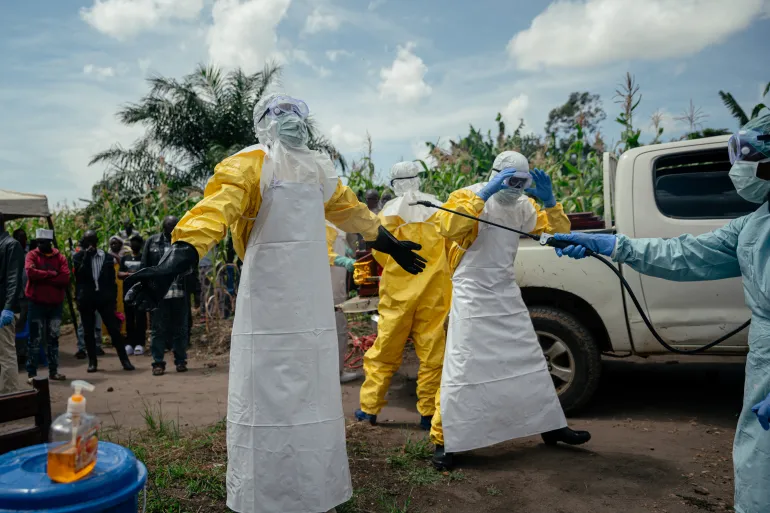
The society urged pharmacists to pay close attention to patients presenting with symptoms that could be associated with Ebola, including fever, fatigue, chills, muscle pain and sore throat, among other concerning symptoms. PSK also advised healthcare workers to establish a patient’s recent travel and possible exposure or contact history where clinically appropriate, particularly where symptoms raise concern. Pharmacists have further been encouraged to minimise unnecessary contact with individuals suspected of having Ebola and avoid physical examinations, injections and other invasive procedures unless they have the appropriate personal protective equipment (PPE).
The society also called on pharmacy teams to promptly notify the relevant public health and disease surveillance authorities in line with guidance issued by the Ministry of Health. The Ministry has provided the toll-free number 719 for members of the public seeking official information and guidance.
PSK Urges Protection of Patient Confidentiality
While calling for vigilance, PSK reminded healthcare workers to uphold patient confidentiality when dealing with suspected Ebola cases. The society cautioned against sharing identifying information such as patients’ names, photographs or travel details, stressing the importance of protecting the privacy of individuals under investigation.
Kenya Confirms First Ebola Case and Death
The advisory follows the announcement by Health Cabinet Secretary Aden Duale that Kenya had recorded its first case and death linked to Ebola Bundibugyo virus (BDBV) disease. According to the CS, the patient was a Kenyan citizen who had spent seven years living in the Democratic Republic of Congo (DRC) before returning to Kenya on October 3.
The patient had reportedly fallen ill about a month earlier and received treatment at several health facilities in the DRC. He later travelled by road from the DRC to Kampala before flying to Nairobi aboard a Jambojet flight. Upon arrival in Nairobi, the patient was eventually transferred to Nairobi Hospital, where he received medical treatment before succumbing to the illness on Monday night. The patient was buried on Tuesday in accordance with public health protocols established for Ebola cases.
Authorities Trace Possible Contacts
Health authorities have since begun contact-tracing efforts to identify people who may have interacted with the deceased. The Ministry of Health has identified 28 contacts, while authorities are also following up with 23 passengers and four crew members who were aboard the Jambojet flight that transported the patient to Nairobi.
Health officials have urged people who may have been exposed to follow instructions from public health authorities and report any concerning symptoms promptly.
Ebola Incubation Period
The incubation period for Ebola ranges from two to 21 days. Director-General for Health Dr Patrick Amoth said most infected people develop symptoms within the first four to five days following exposure, while transmission occurs after symptoms develop.
Health authorities have also advised infected mothers against breastfeeding because of the potential risk of transmission. Dr Amoth further said people who recover from Ebola should be reintegrated into their communities with dignity and without stigma. According to the Director-General, individuals who remain free of symptoms for 21 days can be cleared, while male survivors undergo semen testing as part of follow-up procedures before being advised on resuming normal sexual relations.
Government Mobilises Funds for Ebola Response
The government has also begun mobilising resources to support the national Ebola response. About Ksh.70 billion is being mobilised, with the National Treasury having allocated an initial Ksh.2.6 billion towards emergency response efforts. The funds are expected to support preparedness, surveillance, contact tracing, treatment and other measures aimed at containing the spread of the virus.
Health authorities continue to urge Kenyans to rely on official Ministry of Health communication and avoid spreading unverified information about Ebola cases.
