





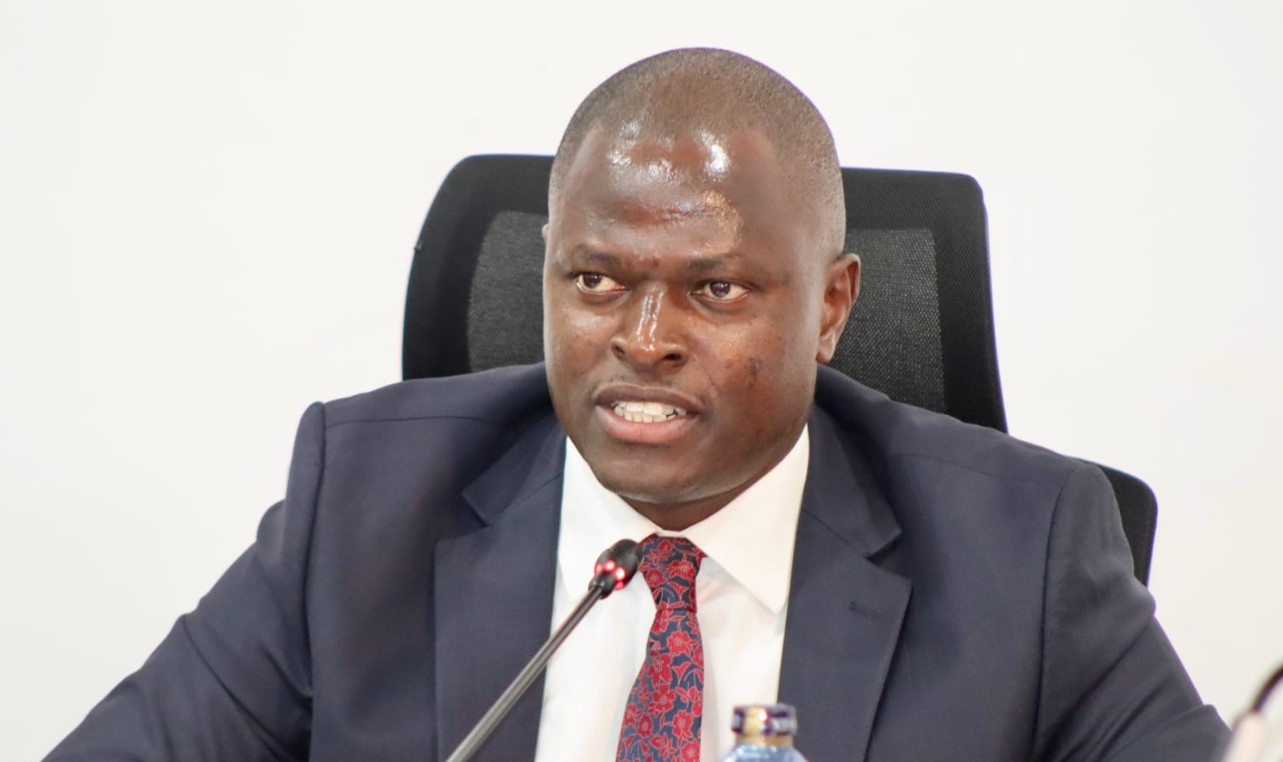
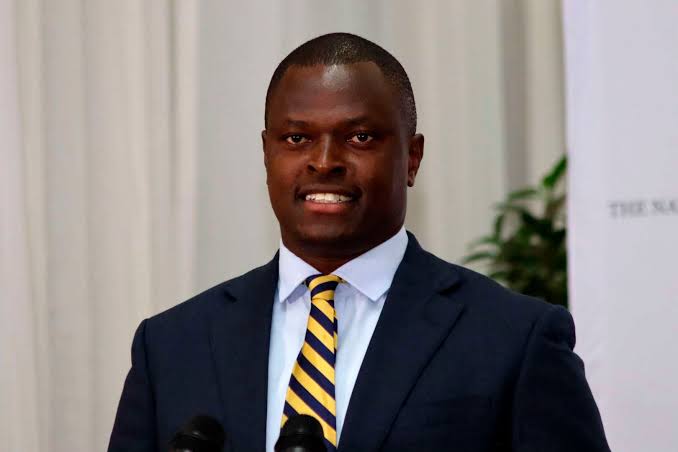
Kiharu Member of Parliament Ndindi Nyoro has been suspended from attending sittings of the National Assembly for five days after refusing to apologise over remarks he made concerning the Kenya Pipeline Corporation (KPC) initial public offering (IPO). National Assembly Speaker Moses Wetang’ula issued the suspension on Wednesday after a tense sitting in which lawmakers demanded that Nyoro withdraw and apologise for claims he made in the House a day earlier.
Nyoro had alleged that several public institutions, including the National Social Security Fund (NSSF), Public Service Superannuation Fund (PSSF) and Kenya Re, were pressured to invest in the KPC IPO. According to the Kiharu MP, officials at the institutions received calls from what he referred to as “the high office” directing them to participate in the investment as the IPO approached the end of its subscription period. Nyoro further claimed that the institutions were pushed to invest despite concerns over the performance of the offer.
MPs Demand Evidence From Nyoro
The allegations prompted calls from both sides of the political divide for Nyoro to substantiate his claims or apologise to the House. Minority Leader Junet Mohamed said statements made on the floor of Parliament should be supported by evidence, challenging Nyoro to table proof of the alleged phone calls. Junet argued that if the MP could not provide evidence to support his allegations, he should withdraw the remarks and apologise.
Majority Leader Kimani Ichung’wah also challenged Nyoro’s claims, pointing to documents tabled in Parliament concerning PSSF’s investment in KPC. Ichung’wah said the records indicated that PSSF had recorded a 5.1 per cent gain on its KPC investment as of June 30, disputing the suggestion that public institutions had suffered losses from the investment. He further warned that allegations made in Parliament could damage the reputation of public officers and professionals involved in managing public funds.
Nyoro Refuses to Apologise
Despite the demands, Nyoro maintained that his claims were truthful and declined to apologise. The lawmaker told the Speaker that he could not withdraw what he believed to be factual statements, insisting that the truth should take precedence. His refusal prompted Speaker Wetang’ula to declare him guilty of gross disorderly conduct.
The Speaker subsequently imposed what he described as the most lenient punishment available under parliamentary rules, barring Nyoro from the precincts of Parliament for five sitting days. Wetang’ula said Nyoro would effectively become a stranger in the House during the period of his suspension.
Nyoro Defends His Claims
Speaking to journalists after the suspension, Nyoro described the decision as unfortunate, arguing that he had been punished for raising concerns he believed were in the public interest. The Kiharu MP said he had not been given adequate opportunity to substantiate his claims through parliamentary procedures.
Nyoro maintained that public institutions such as NSSF, Kenya Re and PSSF should make investment decisions independently and without political pressure. He repeated his allegation that the institutions had been encouraged to invest in the KPC IPO when the offer was nearing the end of its subscription period.
MP Questions KPC Investment Performance
Nyoro also questioned the performance of the KPC shares acquired by the public institutions. He cited the prevailing KPC share price as part of his argument that the investment had not delivered sufficient returns, particularly when compared with the prevailing inflation rate.
The MP maintained that his concerns were aimed at ensuring public funds and pensioners’ money were managed in accordance with the law. He pledged to continue scrutinising how government institutions handle public resources despite the suspension.
Nyoro further urged NSSF, Kenya Re, PSSF and other public institutions to adhere to their constitutional and legal mandates when making investment decisions. The dispute has placed renewed attention on the management of public funds, the independence of state institutions and the role of MPs in scrutinising government investments.
