






Kenyan health unions are calling on the government to strengthen safety measures for healthcare workers involved in the response to the Ebola outbreak, warning that medical personnel must be adequately protected from infection while treating patients. The demands follow confirmation by the Ministry of Health that three healthcare workers who attended to the country’s first reported Ebola patient had tested positive for the virus, raising concerns about infection prevention measures in healthcare facilities.
KMPDU Demands Adequate Protective Equipment for Medics
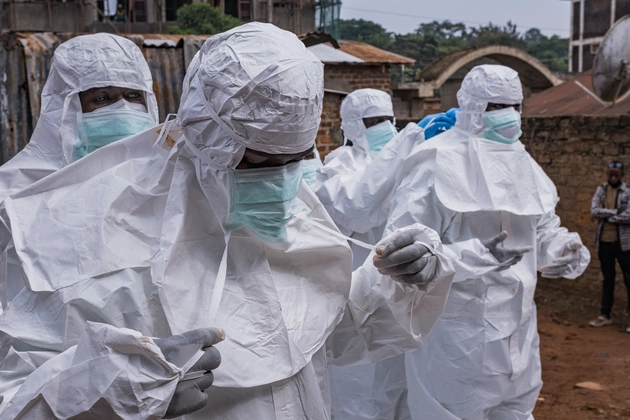
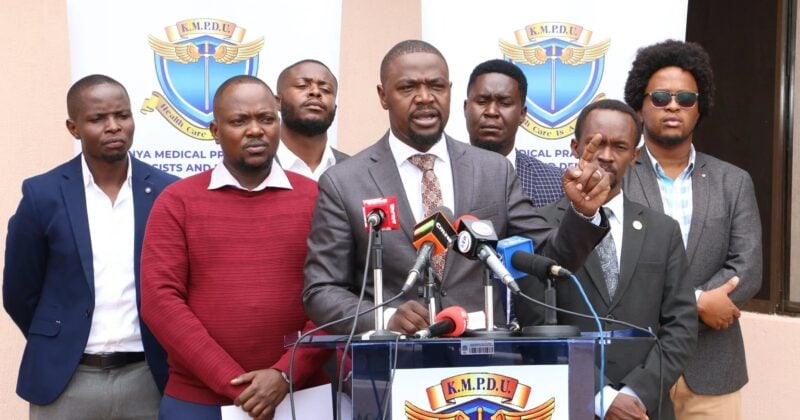
Kenya Medical Practitioners, Pharmacists and Dentists Union (KMPDU) Secretary General Davji Atella has urged the Ministry of Health to ensure that healthcare workers have access to quality personal protective equipment (PPE) whenever needed. Atella said doctors were prepared to support the government’s efforts to contain the outbreak but maintained that their safety and that of their families must not be compromised.
He warned that healthcare workers could not reasonably be expected to work on the frontline without adequate protective equipment, medical cover and other essential safety measures. The union wants the government to make PPE available across the country, rather than concentrating supplies in counties classified as high-risk areas.
Atella also called for a nationwide assessment to establish whether hospitals have sufficient protective equipment, isolation facilities and the necessary medicines to manage suspected Ebola cases. KMPDU has encouraged doctors to assess preparedness in their respective counties and report gaps that could expose healthcare workers and patients to infection.
Three Healthcare Workers Test Positive
The Ministry of Health’s confirmation that three healthcare workers who attended to the first Ebola patient had contracted the virus has intensified questions about infection prevention and control in healthcare facilities. The initial patient was reportedly isolated in a separate room at Nairobi Hospital after the case was identified on October 6.
The hospital had previously stated that the patient received care from a dedicated clinical team working in coordination with the Ministry of Health, with staff using protective equipment. However, the subsequent confirmation of infections among three healthcare workers has raised questions about the circumstances surrounding the transmission. Key concerns include when the patient’s symptoms raised suspicion of Ebola, whether all staff had appropriate protective equipment and when the necessary infection-control precautions were implemented. These questions highlight the importance of investigating possible exposure routes and ensuring that healthcare facilities consistently follow established infection prevention protocols.
Government Says Thousands of Healthcare Workers Have Been Trained
The Ministry of Health has maintained that it is strengthening the country’s preparedness and response capacity, reporting that more than 4,900 healthcare workers have received training in Ebola management. Meanwhile, Public Health Principal Secretary Mary Muthoni has said there is no evidence of community transmission. Reports indicate that 130 contacts had been listed following the detection of the initial case, with eight additional contacts recently identified. Seven of the newly identified contacts were healthcare workers who attended to the first patient. Contact tracing and monitoring remain important in identifying people who may have been exposed and ensuring that suspected infections are assessed promptly.
Tanzania Strengthens Ebola Screening Measures
As concerns grow over the regional spread of Ebola following an outbreak in the Democratic Republic of Congo and confirmed cases in Kenya, Tanzania has introduced additional measures targeting travellers considered at high risk of infection. The measures reportedly include mandatory health monitoring for 21 days for travellers classified as high-risk, alongside tighter screening at border points. The move reflects wider regional efforts to detect potential infections early and limit cross-border transmission.
US Embassy Issues Advisory to Travellers
Separately, the United States Embassy in Kenya has issued an advisory concerning health insurance for travellers visiting the country. The advisory calls on tourists to obtain Kenyan health insurance as part of the electronic travel authorisation (eTA) application process. The development comes as health authorities continue to address concerns surrounding Ebola preparedness, healthcare worker safety and the protection of the public.
Calls for Stronger Preparedness Measures
The demands by health unions have placed renewed attention on the need for reliable supplies of protective equipment, functional isolation facilities, adequate medical cover and effective infection-control procedures. As Kenya continues responding to the outbreak, healthcare workers remain central to identifying suspected cases, providing treatment and preventing further transmission. Health unions maintain that protecting medical personnel must remain a priority if the country is to sustain an effective response to Ebola and other infectious diseases.
